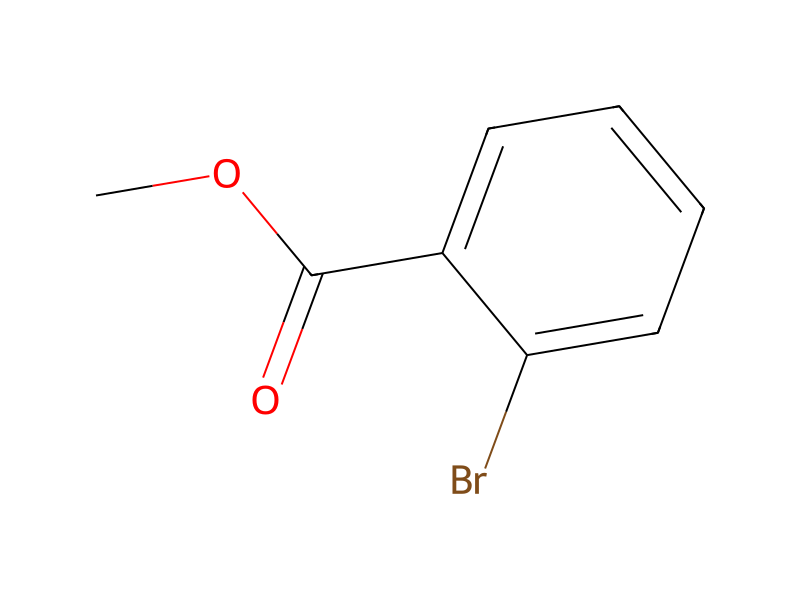
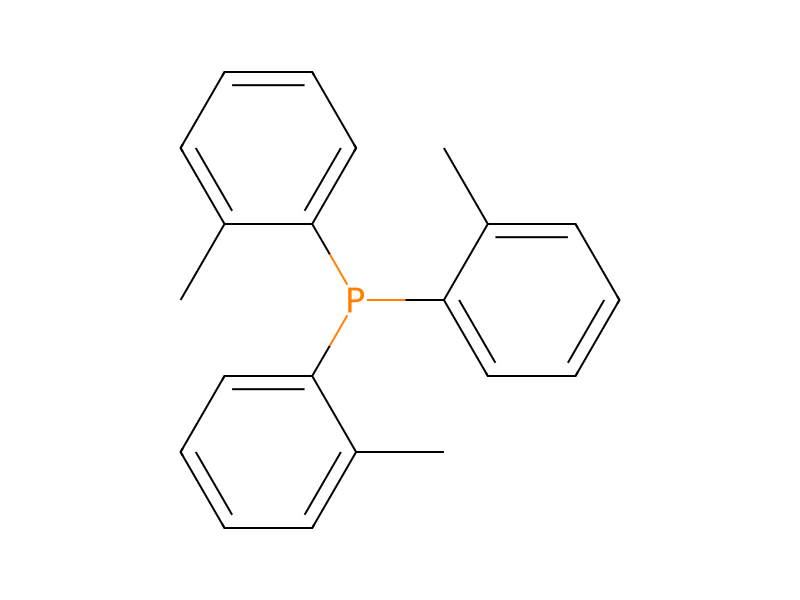
Br[C:2]1[CH:11]=[CH:10][CH:9]=[CH:8][C:3]=1[C:4]([O:6][CH3:7])=[O:5].[C:12]1([O:18][CH2:19][CH:20]=[CH2:21])[CH:17]=[CH:16][CH:15]=[CH:14][CH:13]=1.C1(C)C=CC=CC=1P(C1C=CC=CC=1C)C1C=CC=CC=1C.C(N(CC)CC)C>C(#N)C.C([O-])(=O)C.[Pd+2].C([O-])(=O)C>[O:18]([CH2:19][CH:20]=[CH:21][C:2]1[CH:11]=[CH:10][CH:9]=[CH:8][C:3]=1[C:4]([O:6][CH3:7])=[O:5])[C:12]1[CH:17]=[CH:16][CH:15]=[CH:14][CH:13]=1To a solution of methyl 2-bromobenzoate (0.206 g, 0.96 mmol) in acetonitrile (3 ml) were added allyl phenyl ether (0.65 ml, 1.09 mmol), tri-o-tolylphosphine (0.014 g, 0.045 mmol), palladium acetate (0.006 g, 0.027 mmol) and triethylamine (0.16 ml, 1.15 mmol), and the mixture was stirred at 100° C. for 4 hr. The reaction mixture was filtered through celite, and ethyl acetate was added to the filtrate. The mixture was washed with water, and the organic layer was dried over sodium sulfate. The solvent was evaporated under reduced pressure, and the obtained residue was purified by silica gel column chromatography (hexane:ethyl acetate) to give methyl 2-(3-phenoxypropenyl)benzoate (0.037 g, 0.14 mmol, yield 15%).