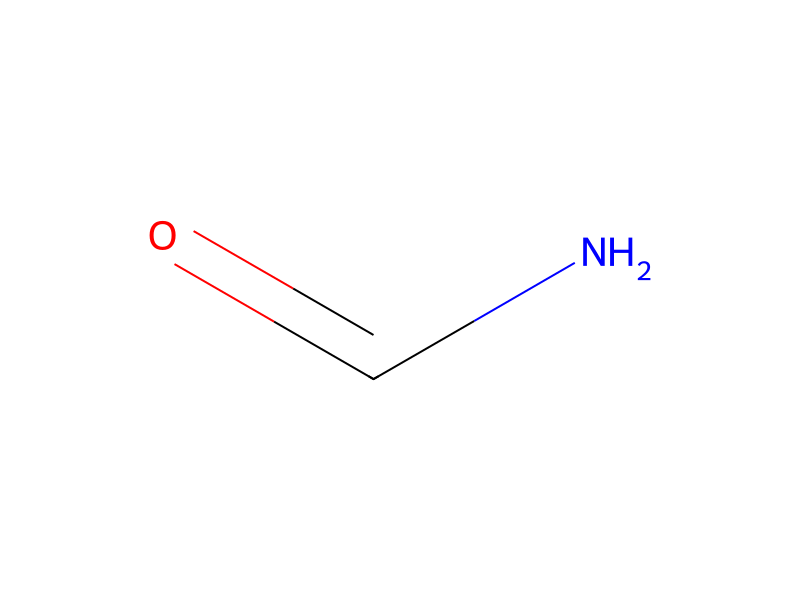
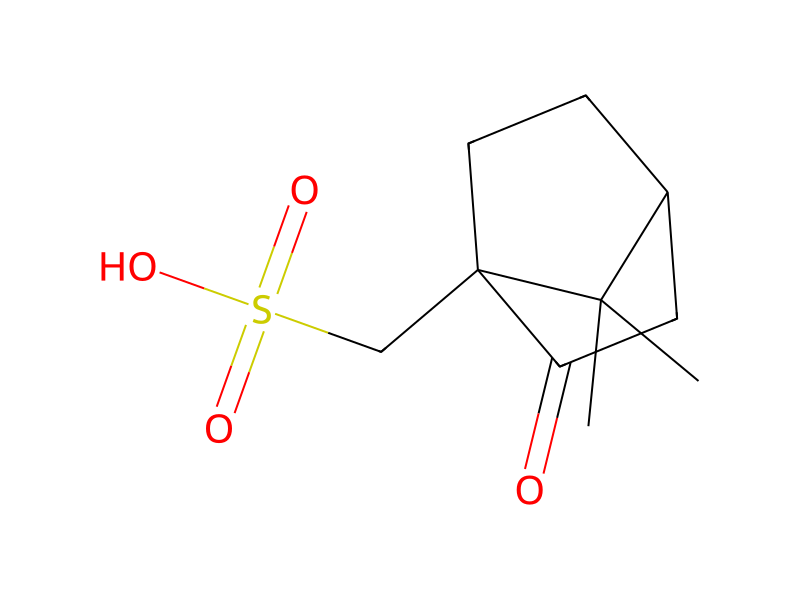
[O:1]1[C:5]2[CH:6]=[CH:7][C:8]([CH:10]=O)=[CH:9][C:4]=2[O:3][CH2:2]1.[CH3:12][C:13]1[CH:18]=[CH:17][C:16]([S:19]([OH:21])=[O:20])=[CH:15][CH:14]=1.C12(CS(O)(=O)=O)C(C)(C)C(CC1)CC2=O.C(=O)([O-])O.[Na+].[CH:42]([NH2:44])=[O:43]>CCCCCC.C(OCC)(=O)C.O>[O:1]1[C:5]2[CH:6]=[CH:7][C:8]([CH:10]([S:19]([C:16]3[CH:17]=[CH:18][C:13]([CH3:12])=[CH:14][CH:15]=3)(=[O:21])=[O:20])[NH:44][CH:42]=[O:43])=[CH:9][C:4]=2[O:3][CH2:2]1A solution of benzo[1,3]dioxole-5-carbaldehyde (1.0 g, 6.66 mmol), 4-methyl-benzenesulfinic acid (1.1 g, 7.24 mmol, 1.09 equiv), and 10-camphorsulfonic acid (0.4 g, 1.72 mmol, 0.25 equiv) in formamide (2.8 mL) was heated to 75° C. for four hours. The resulting reaction mixture was cooled to ambient temperature, poured into a mixture of saturated aqueous sodium hydrogen carbonate (100 mL), water (100 mL), ethyl acetate (20 mL) and hexane (20 mL), and stirred at ambient temperature for 20 minutes. The resulting white solid was filtered off and azeotroped with toluene (2×50 mL) to provide N-[Benzo[1,3]dioxol-5-yl-(toluene-4-sulfonyl)-methyl]-formamide (740 mg, 33%).