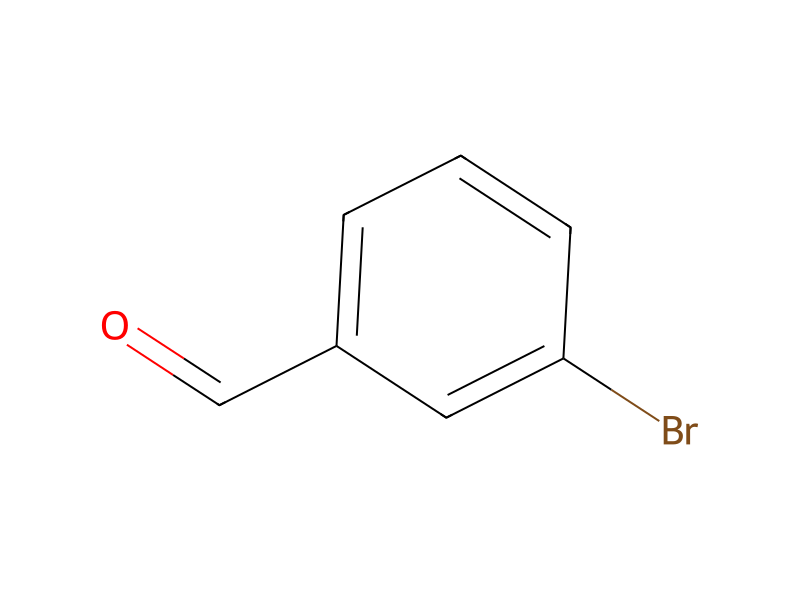
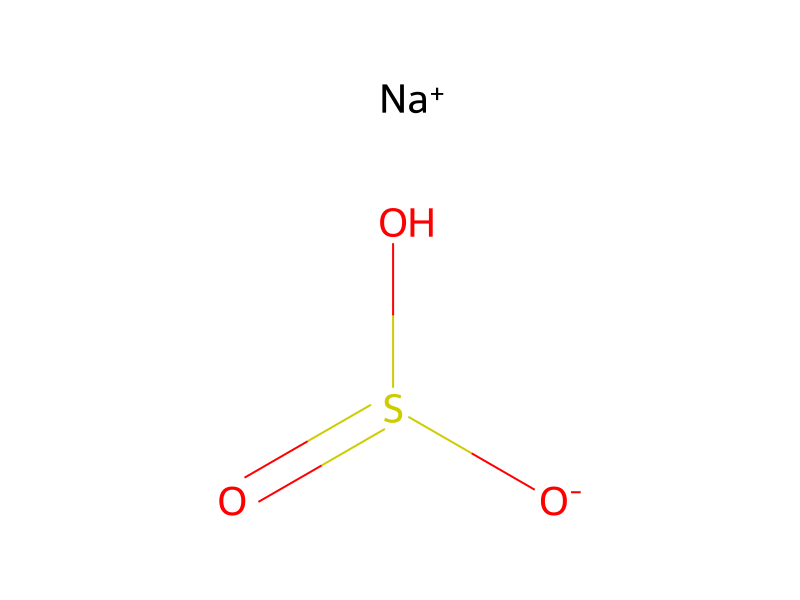
[NH2:1][C:2]1[CH:10]=[C:9]([O:11][CH3:12])[CH:8]=[C:7]([O:13][CH3:14])[C:3]=1[C:4]([NH2:6])=[O:5].[Br:15][C:16]1[CH:17]=[C:18]([CH:21]=[CH:22][CH:23]=1)[CH:19]=O.OS([O-])=O.[Na+].O.C1(C)C=CC(S(O)(=O)=O)=CC=1>CN(C)C(=O)C>[Br:15][C:16]1[CH:17]=[C:18]([C:19]2[NH:6][C:4](=[O:5])[C:3]3[C:2](=[CH:10][C:9]([O:11][CH3:12])=[CH:8][C:7]=3[O:13][CH3:14])[N:1]=2)[CH:21]=[CH:22][CH:23]=1To a solution of 2-amino-4,6-dimethoxy-benzamide (0.5 g, 2.55 mmol) in N,N-dimethylacetamide (30 mL) was added 3-bromo-benzaldehyde (0.32 mL, 2.80 mmol) followed by NaHSO3 (0.39 g, 3.82 mmol) and p-toluenesulfonic acid monohydrate (0.24 g, 1.27 mmol). The reaction was heated at 120° C. for 20 h. After that time it was cooled to room temperature (rt), concentrated under reduced pressure and diluted with water. The precipitated solids were collected by filtration, washed with water and dried under vacuum. The product was triturated with diethyl ether to give 2-(3-bromo-phenyl)-5,7-dimethoxy-3H-quinazolin-4-one (0.81 g, 88%) as a yellow solid: 1H NMR (400 MHz, CDCl3) δ 8.23 (s, 1H), 7.84 (d, J=7.0 Hz, 1H), 7.66 (d, J=7.0 Hz, 1H), 7.38 (t, J=7.0 Hz, 1H), 6.8 (s, 1H), 6.46 (s, 1H), 3.94 (s, 3H), 3.90 (s, 3H).