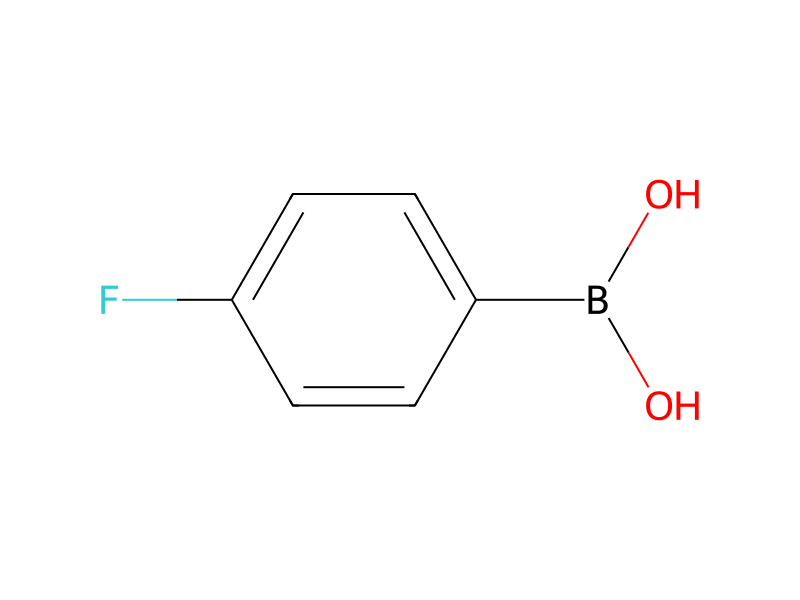
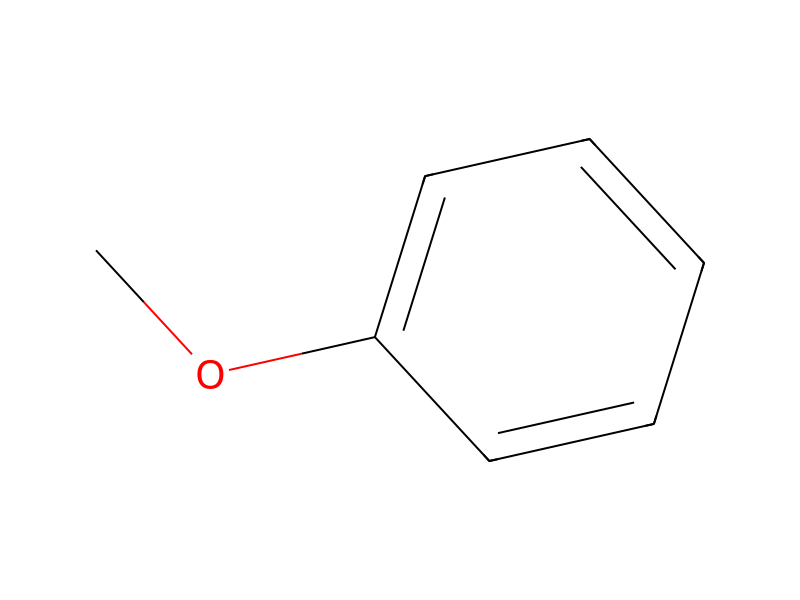
[F:1][C:2]1[CH:7]=[CH:6][CH:5]=[C:4]([F:8])[C:3]=1[C:9]1[O:10][CH2:11][CH:12]([C:14]2[CH:19]=[CH:18][C:17](I)=[CH:16][CH:15]=2)[N:13]=1.[F:21]C1C=CC(B(O)O)=CC=1.[C:31](=[O:34])([O-])[O-].[K+].[K+].[C]=O>C1(OC)C=CC=CC=1.[Pd](Cl)Cl.C1(P(C2C=CC=CC=2)C2C=CC=CC=2)C=CC=CC=1.C1(P(C2C=CC=CC=2)C2C=CC=CC=2)C=CC=CC=1>[F:1][C:2]1[CH:7]=[CH:6][CH:5]=[C:4]([F:8])[C:3]=1[C:9]1[O:10][CH2:11][CH:12]([C:14]2([F:21])[CH:19]=[CH:18][C:17]([CH:31]=[O:34])=[CH:16][CH2:15]2)[N:13]=1The compound of Example 2 (0.5 g, 1.3 mmol) and 4-fluorophenyl boronic acid (0.27 g, 2 mmol) and potassium carbonate (fine mesh, 0.5 g, 0.4 mmol) were suspended in anisole (15 mL) and carbon monoxide was bubbled through the mixture for 5 min. Bis (triphenylphosphine) palladium chloride (0.03 g, 0.50 mmol) was added and the mixture was evacuated and carbon monoxide was released into the reaction by means of a balloon. The evacuation and carbon monoxide release was repeated and the reaction was heated to 80° C. under a carbon monoxide atmosphere for 3 h. The anisole was removed under reduced pressure and the residue was partitioned between diethylether (50 mL) and water (50 mL). The ether solution was dried over magnesium sulfate and evaporated under reduced pressure. The residue was subjected to silica gel chromatography with hexanes/ethyl acetate (5:1) as eluent to give the title compound (0.34 g) as a solid: m.p.: 105°-106° C. 1H NMR (CDCl3, 400 MHz) δ 7.9-7.0 (m,1H), 5.6 (m,1H), 4.9 (m,1H), 4.3 (m,1H).