Reaction equation

[Br:1][C:2]1[CH:8]=[CH:7][C:5]([NH2:6])=[CH:4][CH:3]=1.C1(CC(Cl)=O)CCCCC1.BrC1C=CC([NH:26][C:27](=[O:35])[CH2:28][CH:29]2[CH2:34][CH2:33][CH2:32][CH2:31][CH2:30]2)=CC=1.[H-].[Na+].[Na].NCl>CN(C=O)C.N1C=CC=CC=1>[CH:29]1([CH2:28][C:27]([NH:26][NH:6][C:5]2[CH:7]=[CH:8][C:2]([Br:1])=[CH:3][CH:4]=2)=[O:35])[CH2:34][CH2:33][CH2:32][CH2:31][CH2:30]1Participants
Reactant 6
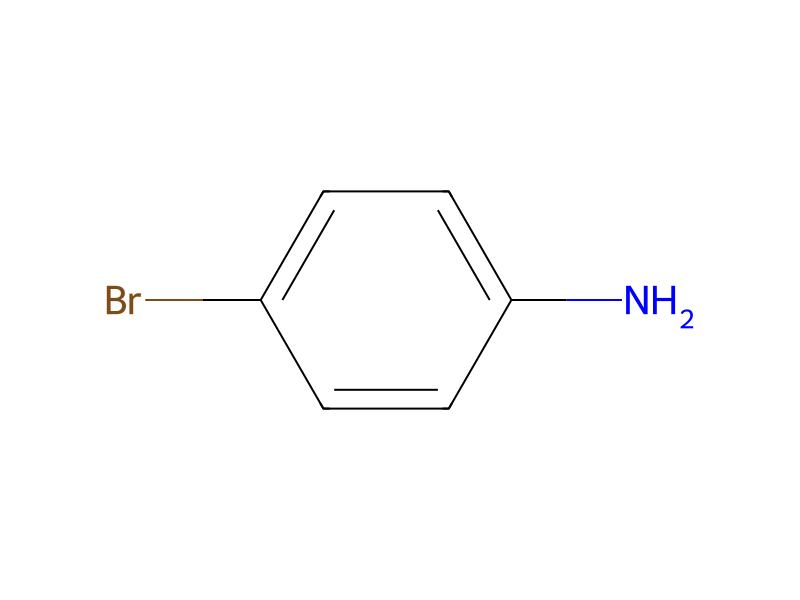




Product 1

Reagents, catalysts & solvents 2


Procedure
Reaction of 4-bromoaniline with α-cyclohexylacetyl chloride in the presence of pyridine and reaction of the resulting N-(4-bromophenyl)-α-cyclohexylacetamide with sodium hydride in DMF followed by reaction of the resulting sodium salt with chloramine all according to the procedure described in Example 65 affords N'-cyclohexylacetyl-4-bromophenylhydrazine. Reaction of the latter with levulinic aldehyde diethylacetal in refluxing ethanol using the procedure described above in Example 1, and reduction of the resulting 1-cyclohexylacetyl-5-bromo-2-methylindole-3-acetaldehyde in the presence of a molar excess of 2-cyclohexylmethylpiperidine under 600 pounds p.s.i.g. of hydrogen at a temperature of 100° C. over a Raney nickel catalyst affords 1-cyclohexylacetyl-3-[2-(2-cyclohexylmethylpiperidino)ethyl]-5-bromo-2-methylindole.
Sources & evidence
- ORD record
- ord-d63341908281445fbf14a4896e450957
- Source dataset
- uspto-grants-1979_07
- Patent number
- US04160862
Linked notes
Loading…