O-Xylene → Phthalazine
HRID 991431
Reaction equation

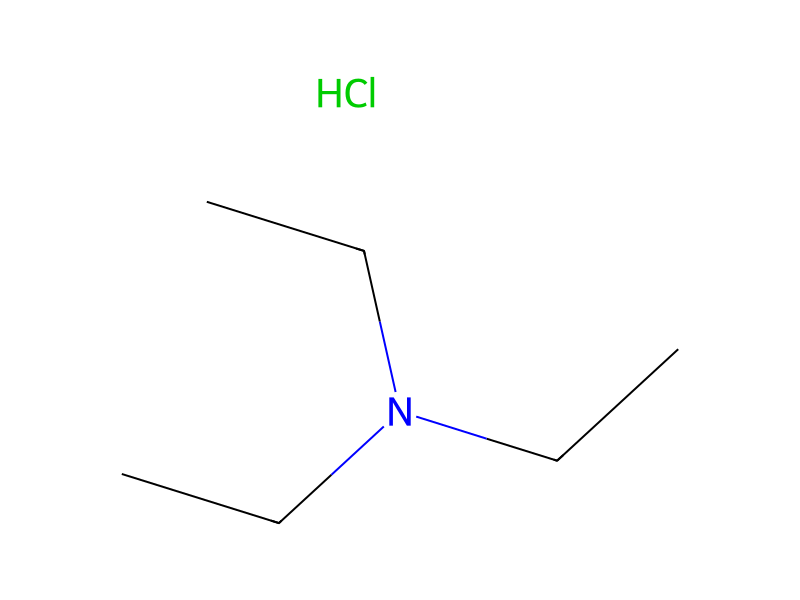
O=[N:2][NH2:3].Cl.C(N(CC)CC)C.[C:12]1([CH3:19])[C:13]([CH3:18])=[CH:14][CH:15]=[CH:16][CH:17]=1>>[CH:18]1[C:13]2[C:12](=[CH:17][CH:16]=[CH:15][CH:14]=2)[CH:19]=[N:3][N:2]=1Participants
4



Procedure
1,1′-Carbonyldiimidazole (2.0 g, 12.6 mmol) was added to a stirred solution of 5-methylisoxazole-3-carboxylic acid in DMF (50 ml). The solution was stirred for 0.5 h before adding the preceding hydrazine (2.63 g, 11.7 mmol). After 1 h at room temperature, the solution was poured into water and the resultant precipitate was filtered, washed with water (30 ml) and hexane (100 ml), and dried in vacuo to give the ketohydrazine (3.1 g, 79%); MS (ES+) m/e 334 [MH]+. A solution of the ketohydrazine (1.0 g, 3.0 mmol) and triethylamine hydrochloride (0.2 g, 1.45 mmol), in xylene (30 ml), was heated at reflux for 4 h. The solution was cooled to room temperature and the solvent removed in vacuo. The residue was chromatographed through silica gel, eluting with ethyl acetate, to give the title-phthalazine (0.60 g, 63%), mp 186-188° C.; 1H NMR (250 MHz, CDCl3) δ1.22-1.54 (4H, m, 2 of CH2), 1.94-2.06 (4H, m, 2 of CH2), 2.58 (3H, s, Me), 3.60 (1H, s, CH), 4.08 (1H, s, CH), 6.90 (1H, s, Ar—H); MS (ES+) m/e 316 [MH]+.