Reaction equation

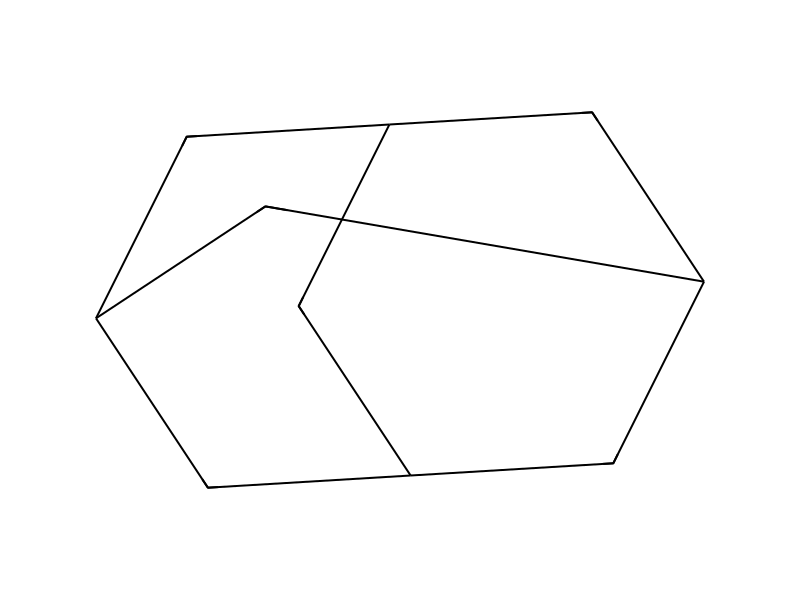
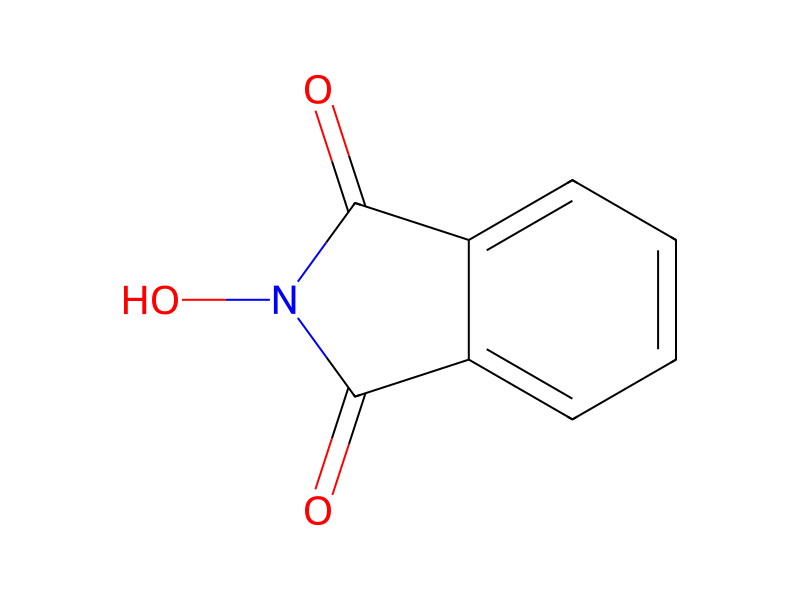
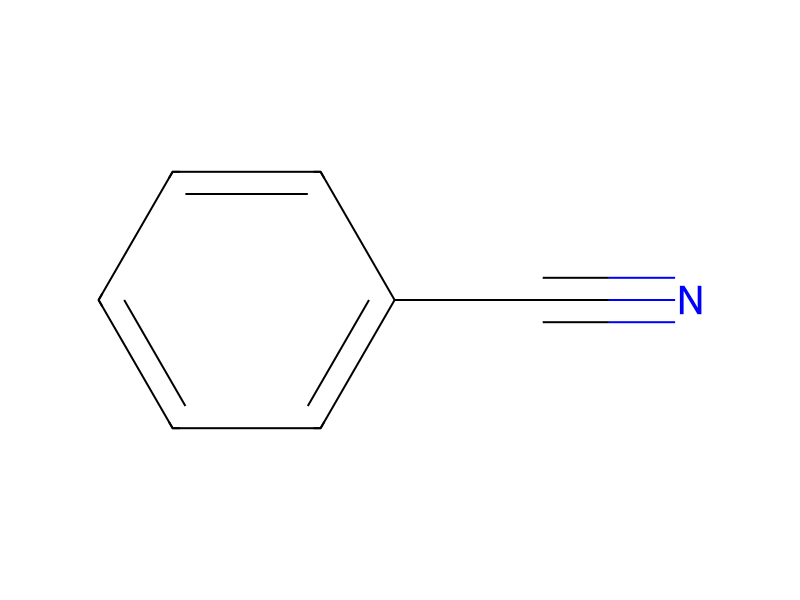
[CH:1]12[CH2:10][CH:5]3[CH2:6][CH:7]([CH2:9][CH:3]([CH2:4]3)[CH2:2]1)[CH2:8]2.[OH:11][N:12]1C(=O)C2=CC=CC=C2C1=O.[N+]([O-])=[O:24].[N]=O>C(O)(=O)C.C(#N)C1C=CC=CC=1>[N+:12]([C:1]12[CH2:10][CH:5]3[CH2:6][CH:7]([CH2:9][CH:3]([CH2:4]3)[CH2:2]1)[CH2:8]2)([O-:11])=[O:24].[C:1]12([OH:11])[CH2:10][CH:5]3[CH2:6][CH:7]([CH2:9][CH:3]([CH2:4]3)[CH2:2]1)[CH2:8]2Participants
8



Procedure
Into a flask, 1 mmole of adamantane, 0.1 mmole of N-hydroxyphthalimide, 2 ml of nitrogen dioxide (N2O), 6 ml of benzonitrile (6 ml) and 1.2 ml of acetic acid were added and stirred for 12 hours at 60° C. in an atmosphere of nitrogen monoxide (NO). The reaction products were analyzed by gas chromatography, and, as a result, the conversion of adamantane was 98%, nitroadamantane (yield 68%), adamantanol (yield 6%) and acetyloxyadamantane (yield 4%) were formed.
Sources & evidence
- ORD record
- ord-21b5cc6f392b455aa5422c0c24119d5f
- Source dataset
- uspto-grants-2002_10
- Patent number
- US06468487B1
Linked notes
Loading…