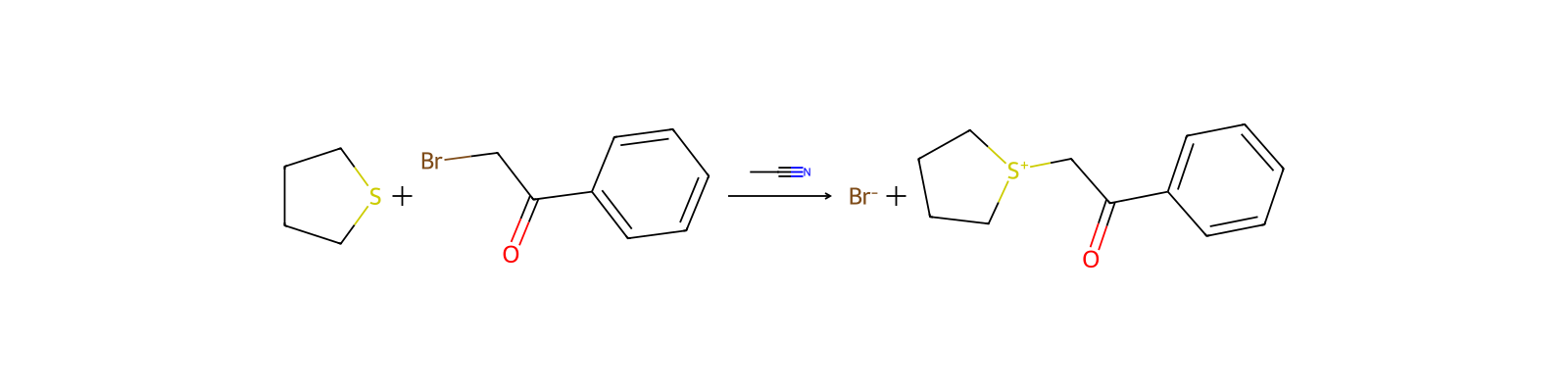
テトラヒドロチオフェン
Tetrahydrothiophene
データを補完しています。しばらくしてからページを更新すると最新の内容を表示できます
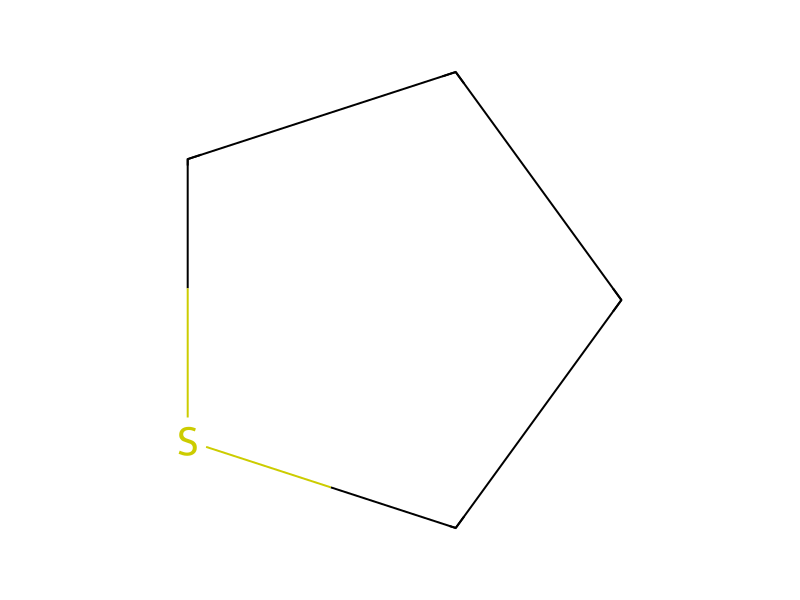
基本情報
- CAS
110-01-0- 標準SMILES
C1CCSC1- InChIKey
RAOIDOHSFRTOEL-UHFFFAOYSA-N- 分子式
- C4H8S
- 平均分子量
- 88.17 g/mol
- 単同位体質量
- 88.03467126
概要
Tetrahydrothiophene appears as a water-white liquid. About the same density as water and insoluble in water. Vapors heavier than air. Used as a solvent and to make other chemicals.
名称と識別子
- 優先名称
- Tetrahydrothiophene
- IUPAC
- thiolane
- 現地名
- テトラヒドロチオフェン
- 英語名
- Tetrahydrothiophene
- 分子式
- C4H8S
- 分子量
- 88.17
名称と別名
tetrahydrothiopheneThiolane110-01-0ThiophaneThiophene, tetrahydro-ThiacyclopentaneTetramethylene sulfideThilaneTetrahydrothiophenTetramethylenesulfideThiofanPennodorant 1013
名称をさらに表示
テトラヒドロチオフェンヤガミンF硫化テトラメチレンチオランチランチアシクロペンタンチオファンテトラメチレンスルフィドテトラヒドロチオフェン, 98%THTTETRAHYDROTHIOPHEN 99%(GC)THIOLANTetrahydrothiophene (THT)
TetrahydrothiofenPennodorant 1073DTXSID3047760744EHT13FMNSC-5272DTXCID8027743CHEBI:48458THT, thiophene
データベース識別子
- CAS
110-01-0- PubChem CID
- 1127
- DTXSID
DTXSID3047760- ChEMBL
CHEMBL1379- ChEBI
CHEBI:48458- UNII
- 744EHT13FM
- EC Number
- 203-728-9
- Nikkaji
- J2.444I
物性
構造計算による物性補完中
- XLogP
- 1.4
- 極性表面積
- 25.3 Ų
- 水素結合供与体数
- 0
- 水素結合受容体数
- 1
- 回転可能結合数
- 0
- 重原子数
- 5
- 形式電荷
- 0
- 複雑度
- 22.8
実験および物理化学的性質
Chemical Classes
Other Classes -> Thiophenes
Flammable agents - 3rd degree
SpringerMaterials PropertiesCoriolis coupling
LogP
1.8 (estimated by method of Leo et al, 1971).
1.8
OdorStench.
Density
0.9987 @ 20 °C/4 °C
Relative density (water = 1): 1.0
Color/FormWATER-WHITE LIQUID
Solubility
INSOLUBLE IN WATER; SOL IN ALL PROPORTIONS IN ALCOHOL, ETHER, ACETONE, BENZENE, IN ORGANIC SOLVENTS
Solubility in water: none
Flash Point
55 °F (12 °C)
12 °C
Boiling Point
121.12 °C @ 760 MM HG
119-121 °C
Melting Point
-96.16 °C
-96.2 °C
安全と法規制
安全情報は参考情報です。供給元の安全データシート(SDS)、適用法令、専門家による評価に代わるものではありません。
GHS分類
GHS Classification
Danger
H225: Highly Flammable liquid and vapor [Danger Flammable liquids]
P210, P233, P240, P241, P242, P243, P261, P264, P264+P265, P270, P271, P273, P280, P301+P317, P302+P352, P303+P361+P353, P304+P340, P305+P351+P338, P317, P321, P330, P332+P317, P337+P317, P362+P364, P370+P378, P403+P235, and P501 (click each P-code to see the statement)
This chemical does not meet GHS hazard criteria for 11.5% (36 of 314) of reports.
Danger
H225 (88.5%): Highly Flammable liquid and vapor [Danger Flammable liquids]
危険有害性情報
Regulatory Information
Chemical: Thiophene, tetrahydro-
Commission Regulation (EC) No 1565/2000 (Repealed by Com. Implementing Reg. (EU) No 872/2012)
Thiophene, tetrahydro- is listed on the EPA's Chemical Data Reporting (CDR) system. Manufacturers and importers of Thiophene, tetrahydro- are required to report information about their production and use of this chemical to the EPA under the Toxic Substances Control Act (TSCA). (40 eCFR Part 711)
Status: Active Update: 29-11-2017 https://echa.europa.eu/registration-dossier/-/registered-dossier/2145
Thiophene, tetrahydro-: HSNO Approval: HSR001225 Approved with controls
The New Jersey Worker and Community Right to Know Act requires public and private employers to provide information about hazardous substances at their workplaces. (N.J.S.A. 34:5A-1 et. seq.)
DOT LabelFlammable Liquid
Fire Hazards
Excerpt from ERG Guide 130 [Flammable Liquids (Water-Immiscible / Noxious)]:
· HIGHLY FLAMMABLE: Will be easily ignited by heat, sparks or flames.
Highly flammable. Heating will cause rise in pressure with risk of bursting. Gives off irritating or toxic fumes (or gases) in a fire. Vapour/air mixtures are explosive.
Fire PotentialFlammable liquid
化学と産業
薬理情報
Metabolism/MetabolitesIdentified as a human metabolite of asparagus.
用途と製造
Uses
Used as a solvent, chemical intermediate, and odorant for fuel gas and other gases and liquids; [HSDB]
SOLVENT; INTERMEDIATE; FUEL GAS ODORANT
A HERBICIDAL COMPOSITION BASED ON BIPYRIDYLIUM COMPD CONTAIN TETRAHYDROTHIOPHENE AS THE OLFACTORY ALERTING AGENT IN ORDER TO AVERT INADVERTENT POISONING
THIOLANE IS USED AS A GROWTH REGULATOR
Used in odorization operations of natural gas.
For more Uses (Complete) data for TETRAHYDROTHIOPHENE (8 total), please visit the HSDB record page.
U.S. Production
2023: 75,000 - <500,000 lb
200,000 to 2,000,000 lb
Consumer UsesFragrance
Industry UsesFragrance
Methods of Manufacturing
Vapor-phase reaction of tetrahydrofuran and hydrogen sulfide over a heteropolyacid-promoted metal oxide catalyst followed by separation and distillation of tetrahydrothiophene.
Thiophene is reduced to tetrahydrothiophene by sodium in alcohol or ammonia, or with palladium, cobalt, molybdenum or rhenium catalysts under carefully controlled conditions.
General Manufacturing Information
Utilities
Thiophene, tetrahydro-: ACTIVE
A DISCUSSION IS GIVEN ON WASTEWATER FORMED IN NATURAL GAS UNDERGROUND STORAGE RESERVOIRS; ON AIR POLLUTION & WASTEWATERS; ON METHODS FOR TREATMENTS OF WASTEWATERS AND THE PREVENTION & CONTROL OF AIR POLLUTION IN THE ODORIZATION OF NATURAL GAS WITH TETRAHYDROTHIOPHENE.
応用分野
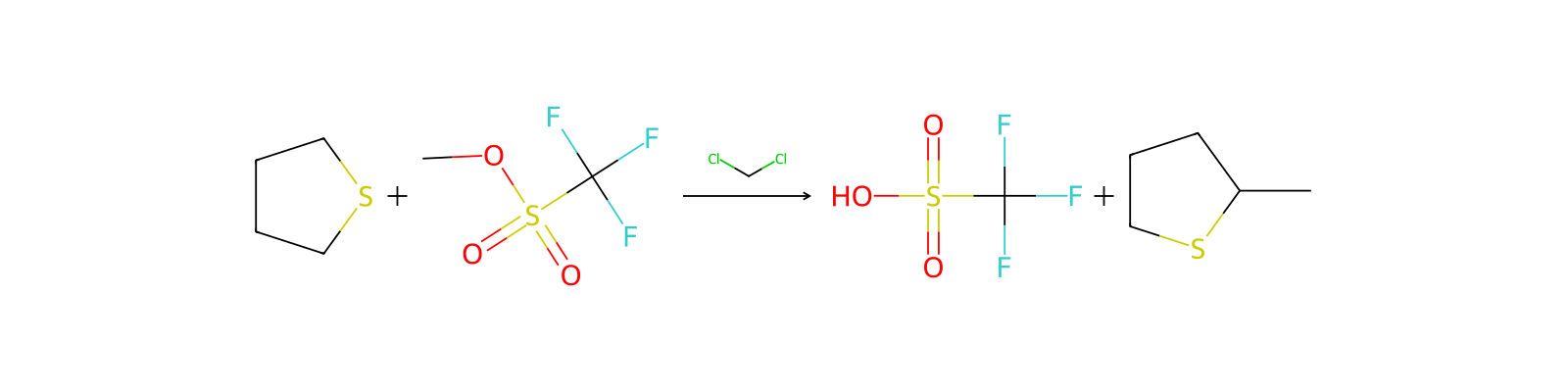
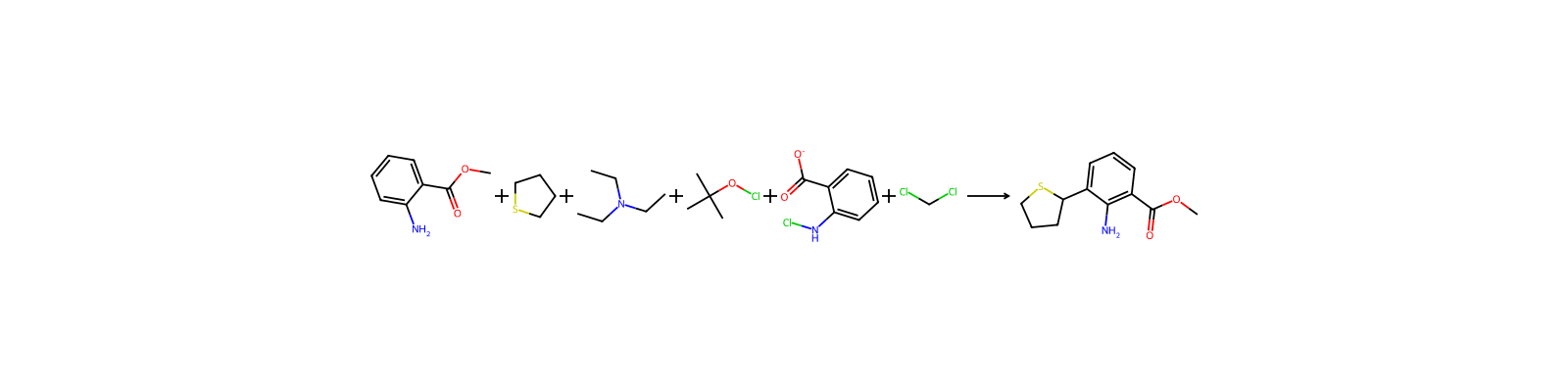
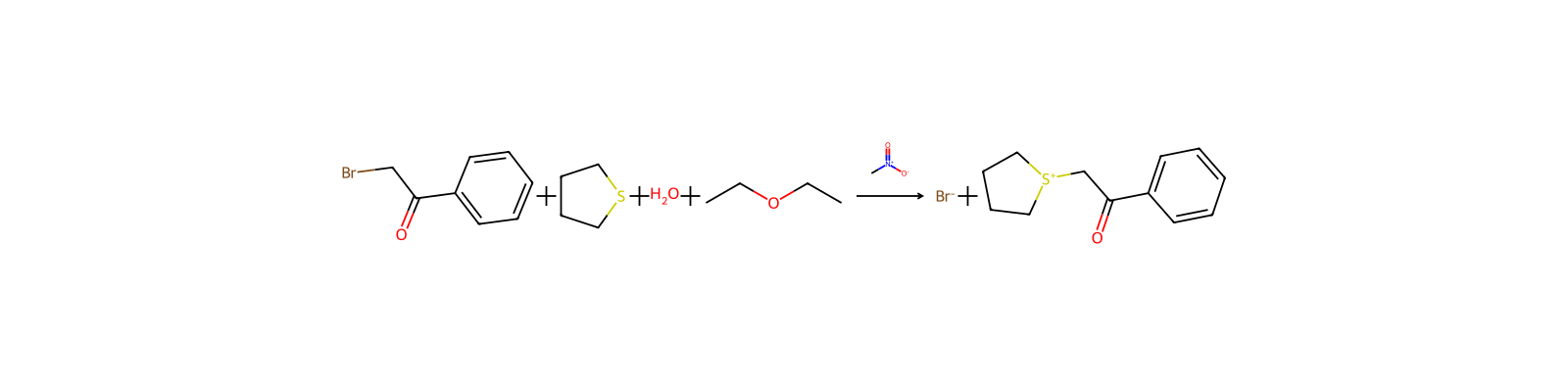
関連反応
75 件




化合物ノート
読み込み中…