

基本情報
- 標準SMILES
[Pt]- InChIKey
BASFCYQUMIYNBI-UHFFFAOYSA-N- 分子式
- Pt
- 平均分子量
- 195.08 g/mol
- 単同位体質量
- 194.964794
名称と識別子
- 優先名称
- Platinum
- IUPAC
- platinum
- 現地名
- 白金
- 英語名
- Platinum
- 分子式
- Pt
- 分子量
- 195.08
名称と別名
PLATINUM7440-06-4Platinum BlackPlatinum spongePlatinPlatinum powderPlatinum, elementalPTPlatinum metallicumLiquid bright platinumPlatina lMetallic platinum
名称をさらに表示
白金白金炭素パラジウム黒(粉末)白金/活性炭白金黒プラチナ白金板白金粉末白金粒状白金線コロイド性白金白金(粉末)水系白金ナノ分散液(平均粒子径:100NM以下、濃度:1%、溶媒:水‐エタノール)水系白金ナノ分散液(平均粒子径:10NM前後、濃度:1%、溶媒:水)白金 黒白金(スポンジ)白金, ワイヤー白金, 粉末白金(黒色)白金, ホイルPLATINUM ON CARBONPLATINIUMPLATINUM CARBONPLATINUM CATALYSTESCAT 2351conductive paste
49DFR088MYDTXSID9064681CHEBI:33364C.I. 77795CHEBI:33400Neuralgia NumbnessRefChem:929411Platinum metallicum 200C
データベース識別子
- CAS
7440-06-4- PubChem CID
- 23939
- DTXSID
DTXSID9064681- ChEBI
CHEBI:33364- UNII
- 49DFR088MY
- EC Number
- 231-116-1
- Nikkaji
- J312.401K、J33.611D
物性
構造計算による物性
- 極性表面積
- 0 Ų
- 水素結合供与体数
- 0
- 水素結合受容体数
- 0
- 回転可能結合数
- 0
- 重原子数
- 1
- 形式電荷
- 0
- 複雑度
- 0
実験および物理化学的性質
LogP0.03
Density
21.45 (NIOSH, 2024) - Denser than water; will sink
21.447 (calc)
21.45 g/cm³
21.45
21.45 @25 °C
21.45
Color/FormSilver-gray, lustrous, malleable and ductile metal; face-centered cubic structure. Also prepd in the form of a black powder (platinum black) and as spongy masses (platinum sponge).
Solubility
Insoluble (NIOSH, 2024)
Soluble in aqua regia. Insoluble in mineral and organic acids.
Solubility in water: insoluble
Insoluble
CorrosivityDoes not corrode or tarnish
Boiling Point
6921 °F at 760 mmHg (NIOSH, 2024)
3825 °C
3827 °C
6921 °F
3825 °C @760 [mm Hg]
6921 °F
Melting Point
3222 °F (NIOSH, 2024)
1772 °C.
1768.4 °C
1768.3 °C
1769 °C
3222 °F
Vapor Pressure
0 mmHg (approx) (NIOSH, 2024)
0.0187 Pa @ melting point
0 mmHg (approx)
depends upon the specific compound
0 mmHg (approx)
Physical Description
Silvery, whitish-gray, malleable, ductile metal. Mp: 1772 °C; bp: 2187 °C. Density: 21.45 g cm-3 at room conditions (very dense). Also shipped as a finely divided powder (platinum black), as a sponge, and as particles deposited on a supporting material such as alumina. Has strong catalytic activity in these forms; finely divided platinum can be dangerous to handle in the vicinity of other chemicals on this account. Used platinum catalysts are particularly dangerous and can be explosive.
Appearance and odor vary depending upon the specific soluble platinum salt. [NIOSH]
Silver-grey lustrous solid; Also available as black powder (platinum black) and spongy solid (platinum sponge); [Merck Index]
Solid
BLACK POWDER.
Silvery, whitish-gray, malleable, ductile metal.
Other Experimental Properties
Sp heat: 0.0314 cal/g at 0 °C. Electrical resistivity: (20 deg) 10.6 uohm-cm.
/Platinum/ occurs naturally mainly as the isotopes (194)Pt, (195)Pt, and (196)Pt.
Heated platinum adsorbs large amounts of hydrogen; it is a strong complexing agent.
物理化学的性質
- 融点
- 1772 °C · 1772 °C (lit.)
- 沸点
- 3827 °C · 3827 °C (lit.)
- 比重(密度)
- 21.45 g/cm3 · 21.45 g/cm3 (lit.)
- 屈折率
- 20 · n20/D 1.347
- 闪点
- 3825 °C · 3825°C
- 貯蔵温度
- 2 · 2-8°C
- 溶解性
- 熱い王水に溶ける。
- 外見
- ワイヤー
- 色
- 白い
- 比重
- 21.45 · 21.45
- PH
- 0.5 · 0.5 (20°C in H2O)
- 水溶解度
- 不溶性
- 比熱容量
- 0.13 J/ · Cp(crystal): 0.13 J/(g·K); Cp(gas): 0.13 J/(g·K), at 25℃
- Merck
- 14 · 14,7529
- Dielectric constant
- 6.5 · 6.5(Ambient)
- 安定性
- 安定。プラチナブラックは可燃性が高い。
- 化粧品成分の機能
- スキンコンディショニングスキンコンディショニング - その他デオドラント抗菌剤研磨剤抗酸化物質
- InChI
- 1S/Pt
- InChIKey
- BASFCYQUMIYNBI-UHFFFAOYSA-N
- SMILES
- [Pt]
- CAS データベース
- 7440 · 7440-06-4(CAS DataBase Reference)
- NISTの化学物質情報
- Platinum(7440-06-4)
- EPAの化学物質情報
- Platinum (7440-06-4)
化学的性質
化学的特性Platinum is a soft, ductile, malleable, silverwhite metal. It is found in the metallic form and as the arsenide, sperrylite. It forms complex soluble salts, such as Na2PtCl6. It also forms halides. Metallic platinum is insoluble in water. Platinum(IV) chloride is red-brown crystals or powder.
安全と法規制
GHS分類
GHS Classification
This chemical does not meet GHS hazard criteria for 81.3% (410 of 504) of all reports.
Danger
H228 (10.7%): Flammable solid [Danger Flammable solids]
P210, P240, P241, P280, and P370+P378 (click each P-code to see the statement)
Aggregated GHS information provided per 504 reports by companies from 13 notifications to the ECHA C&L Inventory.;Reported as not meeting GHS hazard criteria per 410 of 504 reports by companies.;There are 11 notifications provided by 94 of 504 reports by companies with hazard statement code(s).;Information may vary between notifications depending on impurities, additives, and other factors. The percentage value in parenthesis indicates the notified classification ratio from companies that provide hazard codes. Only hazard codes with percentage values above 10% are shown. For more detailed information, please visit ECHA C&L website.
危険有害性情報
Regulatory Information
Chemical: Platinum
Status: Active Update: 28-09-2022 https://echa.europa.eu/registration-dossier/-/registered-dossier/19458
Platinum: Does not have an individual approval but may be used under an appropriate group standard
The New Jersey Worker and Community Right to Know Act requires public and private employers to provide information about hazardous substances at their workplaces. (N.J.S.A. 34:5A-1 et. seq.)
Other Safety InformationIMAP assessments - Platinum: Human health tier I assessment;IMAP assessments - Platinum: Environment tier I assessment
DOT LabelFlammable Solid
Fire Hazards
Excerpt from ERG Guide 170 [Metals (Powders, Dusts, Shavings, Borings, Turnings, or Cuttings, etc.)]:;May react violently or explosively on contact with water. Some are transported in flammable liquids. May be ignited by friction, heat, sparks or flames. Some of these materials will burn with intense heat. Dusts or fumes may form explosive mixtures in air. Containers may explode when heated. May re-ignite after fire is extinguished. (ERG, 2024)
See Chemical dangers
Fire PotentialFlammable in a state of powder.
Health HazardsExcerpt from NIOSH Pocket Guide for Platinum:;Exposure Routes: Inhalation, ingestion, skin and/or eye contact;Symptoms: Irritation skin, respiratory system; dermatitis;Target Organs: Eyes, skin, respiratory system (NIOSH, 2024)
Hazards Summary
The allergenic compounds appear to be limited to the coordination complexes containing halogen ligands as leaving groups with the most potent examples being hexa- and tetrachloroplatinates. [Nordberg, p. 1138] Occupational asthma reported in platinum refinery; [Malo] Allergic contact dermatitis in electronics workers; [Marks] Platinum salts can cause immunologic, occupational contact urticaria; [Kanerva, p. 219] There is evidence from pharmacologic use that platinum is nephrotoxic. [Rosenstock, p. 572]
A skin, eye, and respiratory tract irritant; [Merck Index] Catalytic material that is fire and explosion hazard on contact with many organic and inorganic substances; An eye and respiratory tract irritant; (powdered form) [ICSC] Platinum oxides and soluble platinum salts are sensitizers. Platinum is nontoxic in the metallic state, except possibly for the fine powdered form. [Sullivan, p. 911, 913] Platinum dust is inert and nonallergenic; [Nordberg, p. 1136] Tram drivers in Rome were exposed to Pt, Rh and Pd from catalytic converters at levels about 10 times lower than those known to cause adverse effects in workers. [PMID 18849761] In a study of platinum nanoparticles, platinum ions were not released into the culture media suggesting minimal cellular influence; [PMID 21804981] See Platinum, soluble salts.
Reactive GroupMetals, Less Reactive
Reactivity AlertsKnown Catalytic Activity
Reactivity Profile
Massive platinum (lump, ingot, etc.) is generally inert. Dissolves readily in aqua regia (mixture of concentrated hydrochloride and concentrated nitric acids). Reacts rapidly with molten alkali metal oxides and peroxides. Reacts with F2 and Cl2 at red heat. Absorbs large volumes of hydrogen when hot. Catalyzes the exothermic oxidation of ammonia by air. Finely divided platinum is incompatible with aluminum, acetone, arsenic, ethane, hydrazine, hydrogen peroxide, lithium, phosphorus, selenium, tellurium and many fluorides. Explosion can occur upon contact with hydrogen peroxide. Platinum black, sponge and supported catalysts have strong catalytic activity; can be dangerous to handle in the vicinity of other chemicals on this account. Used platinum catalysts are particularly dangerous and can cause explosions. Ethanol or methanol can ignite on contact with a platinum-black catalyst. (Urben 1794).
Chemical DangersPlatinium is a catalytic substance and may cause reaction in contact with many organic and inorganic substances, causing fire and explosion hazard.
Flammable LimitsNoncombustible Solid in bulk form, but finely divided powder can be dangerous to handle.
安全と保護具
Fire Fighting
Excerpt from ERG Guide 170 [Metals (Powders, Dusts, Shavings, Borings, Turnings, or Cuttings, etc.)]:;DO NOT USE WATER, FOAM OR CO2. Dousing metallic fires with water will generate hydrogen gas, an extremely dangerous explosion hazard, particularly if fire is in a confined environment (i.e., building, cargo hold, etc.). Use DRY sand, graphite powder, dry sodium chloride-based extinguishers, or class D extinguishers. Confining and smothering metal fires is preferable rather than applying water. If it can be done safely, move undamaged containers away from the area around the fire.;FIRE INVOLVING TANKS, RAIL TANK CARS OR HIGHWAY TANKS: If impossible to extinguish, protect surroundings and allow fire to burn itself out. (ERG, 2024)
In case of fire in the surroundings, use appropriate extinguishing media.
First Aid Measures
Fresh air, rest.
Remove contaminated clothes. Rinse and then wash skin with water and soap.
First rinse with plenty of water for several minutes (remove contact lenses if easily possible), then refer for medical attention.
Rinse mouth. Refer for medical attention .
First Aid
Excerpt from NIOSH Pocket Guide for Platinum:;Eye: IRRIGATE IMMEDIATELY - If this chemical contacts the eyes, immediately wash (irrigate) the eyes with large amounts of water, occasionally lifting the lower and upper lids. Get medical attention immediately.;Skin: SOAP WASH - If this chemical contacts the skin, wash the contaminated skin with soap and water.;Breathing: RESPIRATORY SUPPORT - If a person breathes large amounts of this chemical, move the exposed person to fresh air at once. If breathing has stopped, perform artificial respiration. Keep the affected person warm and at rest. Get medical attention as soon as possible.;Swallow: MEDICAL ATTENTION IMMEDIATELY - If this chemical has been swallowed, get medical attention immediately. (NIOSH, 2024)
(General first aid procedures);Eye: Irrigate immediately - If this chemical contacts the eyes, immediately wash (irrigate) the eyes with large amounts of water, occasionally lifting the lower and upper lids. Get medical attention immediately.;Skin: Soap wash - If this chemical contacts the skin, wash the contaminated skin with soap and water.;Breathing: Respiratory support;Swallow: Medical attention immediately - If this chemical has been swallowed, get medical attention immediately.
Safe StorageWell closed.
Cleanup Methods
Persons not wearing protective equipment and clothing should be restricted from areas of spills until cleanup has been completed. If soluble platinum salts or liquids containing soluble salts are spilled, the following steps should be taken: 1. Ventilate area of spill; 2. Collect spilled material in the most convenient and safe manner for reclamation or for disposal in a secured sanitary landfill. Liquids containing soluble platinum salts should be absorbed in vermiculite, dry sand, earth, or a similar material, /Soluble platinum salts/
Nonfire Spill Response
Excerpt from ERG Guide 170 [Metals (Powders, Dusts, Shavings, Borings, Turnings, or Cuttings, etc.)]:;ELIMINATE all ignition sources (no smoking, flares, sparks or flames) from immediate area. Do not touch or walk through spilled material. Stop leak if you can do it without risk. Prevent entry into waterways, sewers, basements or confined areas. (ERG, 2024)
Disposal Methods
SRP: At the time of review, criteria for land treatment or burial (sanitary landfill) disposal practices are subject to significant revision. Prior to implementing land disposal of waste residue (including waste sludge), consult with environmental regulatory agencies for guidance on acceptable disposal practices.
Spillage Disposal
Personal protection: particulate filter respirator adapted to the airborne concentration of the substance. Sweep spilled substance into covered containers. If appropriate, moisten first to prevent dusting. Then store and dispose of according to local regulations.
Preventive Measures
Adequate ventilation and protectors. Induce workers to wash constantly.
Eating and smoking should not be permitted in areas where soluble platinum salts or liquids containing soluble platinum salts are handled, processed, or stored. Employees who handle soluble platinum salts or liquids containing soluble platinum salts should wash their hands thoroughly before eating, smoking, or using toilet facilities. /Soluble platinum salts/
Respirators may be used when engineering and work practice controls are not technically feasible, when such controls are in the process of being installed, or when they fail and need to be supplemented. ... If the use of respirators is necessary, the only respirators permitted are those that have been approved by the Mine Safety and Health Admin (formerly Mining Enforcement & Safety Admin) or by the National Institute for Occupational Safety & Health. In addition to respirator selection, a complete respiratory protection program should be instituted which includes regular training, maintenance, inspection, cleaning, and evaluation. /Soluble platinum salts/
Control can only be achieved by preventing the release of the soluble complex platinum salts to the atmosphere of the workshop. Good exhaust ventilation is necessary in platinum refineries. Chemical procedures which may generate these salts should be carried out in ventilated fume cupboards. Open centrifuges should not be used. Good personal hygiene is important. /Platinum compounds/
For more Preventive Measures (Complete) data for PLATINUM (10 total), please visit the HSDB record page.
Isolation and Evacuation
Excerpt from ERG Guide 170 [Metals (Powders, Dusts, Shavings, Borings, Turnings, or Cuttings, etc.)]:;IMMEDIATE PRECAUTIONARY MEASURE: Isolate spill or leak area in all directions for at least 50 meters (150 feet) for liquids and at least 25 meters (75 feet) for solids.;LARGE SPILL: Consider initial downwind evacuation for at least 50 meters (160 feet).;FIRE: If tank, rail tank car or highway tank is involved in a fire, ISOLATE for 800 meters (1/2 mile) in all directions; also, consider initial evacuation for 800 meters (1/2 mile) in all directions. (ERG, 2024)
Eye PreventionWear safety goggles.
Inhalation RiskEvaporation at 20 °C is negligible; a nuisance-causing concentration of airborne particles can, however, be reached quickly , especially if powdered.
毒性情報
Target OrgansEyes, skin, respiratory system
Adverse Effects
Nephrotoxin - The chemical is potentially toxic to the kidneys in the occupational setting.;Skin Sensitizer - An agent that can induce an allergic reaction in the skin.;Asthma - Reversible bronchoconstriction (narrowing of bronchioles) initiated by the inhalation of irritating or allergenic agents.
Exposure Routes
The substance can be absorbed into the body by inhalation.
inhalation, ingestion, skin and/or eye contact
Signs and Symptoms
Cough. Sore throat.
Redness. Pain.
irritation skin, respiratory system; dermatitis
Human Toxicity Excerpts
Platinum metal itself is not associated with any neurological diseases ... .
Clinical signs & symptoms of platinum exposure & toxicity via inhalation & dermal routes are those of classic allergic reactions & include irritation of the eyes & nose; cough, dyspnea, wheezing, & cyanosis; skin sensitization; & lymphocytosis.
Effects on human sperm motility were investigated ... Fresh sperm were incubated for up to5 hr in the presence of strips of platinum or other metals. Motility after 2 and 5 hr was 60 and 30%, respectively, compared to 10 and 0% for copper, 40 and 7% for silver, and 90 and 65% for gold.
Some workers may show ... allergic manifestations with involvement of the nasal mucosa, bronchi and skin. /Platinum cmpd/
Non-Human Toxicity Excerpts
Platinum wire inserted into the uterus of rats was reported to reduce the implantation of fertilized ova. An 83% reduction in the number of implantation sites in the affected uterine horn, compared to the unoperated horn, was found in rats unilaterally implanted on day 3. ... No effect /was found/ on embryonic or fetal survival if platinum wire was inserted after implantation on day 6.
... Normal fertility /was found/ in male rabbits with open tube gold/platinum devices inserted into the vas deferens. There was an initial decrease in sperm count and motility, but these parameters returned to normal after three weeks. At 117-426 days after insertion, 7 out of 9 animals were fertile in numerous matings.
Antidote and Emergency Treatment
Basic treatment: Establish a patent airway. Suction if necessary. Watch for signs of respiratory insufficiency and assist ventilations if needed. Administer oxygen by nonrebreather mask at 10 to 15 L/min. Monitor for pulmonary edema and treat if necessary ... . Monitor for shock and treat if necessary ... . Anticipate seizures and treat if necessary ... . For eye contamination, flush eyes immediately with water. Irrigate each eye continuously with normal saline during transport ... . Do not use emetics. For ingestion, rinse mouth and administer 5 ml/kg up to 200 ml of water for dilution if the patient can swallow, has a strong gag reflex, and does not drool ... . Cover skin burns with dry sterile dressings after decontamination ... . /Poison A and B/
Advanced treatment: Consider orotracheal or nasotracheal intubation for airway control in the patient who is unconscious, has severe pulmonary edema, or is in respiratory arrest. Positive pressure ventilation techniques with a bag valve mask device may be beneficial. Monitor cardiac rhythm and treat arrhythmias as necessary ... . Start an IV with D5W /SRP: "To keep open", minimal flow rate/. Use lactated Ringer's if signs of hypovolemia are present. Watch for signs of fluid overload. Consider drug therapy for pulmonary edema ... . For hypotension with signs of hypovolemia, administer fluid cautiously. Watch for signs of fluid overload ... . Treat seizures with diazepam (Valium) ... . Use proparacaine hydrochloride to assist eye irrigation ... . /Poison A and B/
法規制情報
Regulatory Information
Chemical: Platinum
Status: Active Update: 28-09-2022 https://echa.europa.eu/registration-dossier/-/registered-dossier/19458
Platinum: Does not have an individual approval but may be used under an appropriate group standard
The New Jersey Worker and Community Right to Know Act requires public and private employers to provide information about hazardous substances at their workplaces. (N.J.S.A. 34:5A-1 et. seq.)
安全データ
- OEB
- C
- OEL
- TWA: 1 mg/m3
- wgk
- 3
- IDLA
- 4 mg Pt/m3
- tsca
- TSCA listed
- rtecs
- TP2160000
- ridadr
- UN 3264 8/PG 3
- hs_code
- 28439000
- risk_code
- 11-37-20-36/37/38-36/37-40-42/43-22-50/53
- 安衛法
- 57-2
- hazard_code
- F,Xi,Xn,N
- safety_code
- 36-7/9-33-16-38-22-26-14-36/37/39-27-24/25-36/37-45-23-61-60
- hazard_class
- 4.1
- packing_group
- III
- ストレージクラス
- 13 - Non Combustible Solids
- 有毒物質データの
- 7440-06-4(Hazardous Substances Data)
化学と産業
薬理情報
Absorption, Distribution and Excretion
Platinum is rapidly distributed to most tissues of the body, with a large proportion of the dose being excreted within a few hours. This initial high plasma concentration falls quickly, and the great majority of the remaining Pt is protein bound. Platinum is mainly excreted in the urine ... .
用途と製造
Uses
Platinum is used as a catalyst in petroleum refining and in catalytic converters for automobile exhaust. [ACGIH] Platinum is used in the following industries: automotive, chemical, petroleum, electrical, jewelry, pharmaceutical, ceramics, dental, and plastics. [Harber, p. 473] Platinum chloride used in photography (toner and platinum printing); [www.ci.tucson.az.us/arthazards/medium.html] Workers are exposed to platinum in plants for the production and recycling of catalytic converters; [Reference #2]
Petroleum Production and Refining [Category: Industry];Semiconductor Manufacturing [Category: Industry];Photographic Processing [Category: Other];Metal Extraction and Refining [Category: Industry]
Jewelry making [Category: Hobbies];Applying metallic patinas [Category: Hobbies]
Found alloyed with iridium, osmium, palladium, rhodium, and ruthenium in gravels and sands; [Merck Index] Used to make apparatus for laboratory and industrial use (thermocouples, platinum resistance thermometers, acid proof containers, electrodes, etc.); in dentistry, jewelry, and electroplating; in spinnerets for making rayon, electrical contacts, and glass fiber; in permanent magnets; to increase the octane number of liquid fuels; in automobile catalytic converters; as catalyst for curing of plastics; as catalyst for dehydrogenation, isomerization, and oxidation in the production of sulfuric, nitric, and organic acids and amines; for surgical instruments and implants; Platinum nanoparticles are used in scanning probes (microscopy) and catalysts; [HSDB]
Metal Preparation and Pouring [Category: Foundry];Metal Machining [Category: Heat or Machine];Electroplating [Category: Plate];Textiles (Fiber & Fabric Manufacturing) [Category: Industry]
Jewelry making [Category: Hobbies]
U.S. Exports(1999) 19,400 kg; (1998) 14,300 kg; (1997) 23,000 kg; (1996) 12,700 kg; (1995) 15,000 kg
U.S. Imports(1999) 129,000 kg; (1998) 96,700 kg; (1997) 77,300 kg; (1996) 75,800 kg; (1995) 71,500 kg
U.S. Production
Mine: (1999) 2,920 kg; (1998) 3,240 kg; (1997) 2,610 kg; (1996) 1,840 kg; (1995) 1,590 kg
Refinery: (1999) 14,000 kg
Methods of Manufacturing
By dissolving the ore concentrate in aqua regia, precipitating the platinum by ammonium chloride as ammonium hexachloroplatinate, igniting the precipitate to form platinum sponge. This is then melted in an oxyhydrogen flame or in an electric furnace.
Nickel refinery anode slimes/copper anodic slimes/ Mond process residues (sulfating roast process/ hydrometallurgical refining; coproduced with gold/silver/palladium/selenium/tellurium)
Formulations/Preparations
Grade: Physically pure (99.99%), chemically pure (99.99%), crucible platinum (99.5%), commercial (99.0%).
Forms available: Powder (platinum black), single crystals, wire (2 by 0.05 inches diameter); special composition for electronics, metallizing and decorating ceramics and metals.
General Manufacturing Information
Platinum: ACTIVE
Nickel, osmium, ruthenium, copper, gold, silver and iridium are alloyed with platinum to increase hardness. Commercially important alloys of platinum are prepared with copper, gold, iridium, rhodium and ruthenium. Alloys with cobalt have become important because of their strong ferromagnetic properties.
応用分野
解説白金,おもな酸化数=II,IV周期表第VIII族,第6周期(重白金族)に属する金属元素。俗にプラチナplatinaともいう。白金は古くから用いられていたが,確実な記録としては,スペインのウロアDon Antonio de Ulloa(1716‐95)が1748年に出版した本の中で,1735年コロンビアのピント川の近くで銀によく似た新しい金属が発見されたと記しているのが最も古いといわれている。株式会社平凡社 世界大百科事典 第2版について | 情報
用途石油化学や自動車排気ガス処理用触媒、度量衡原器、白金抵抗温度計、熱電対、電気接点材料、発火セン、電極、ルツボ、化学装置の内張り、光学ガラスの溶解、歯科医療材料、装飾用貴金属類等
用途有機合成用触媒。
説明Platinum was discovered in Colombia, South America by Ulloa in 1735 and six years later in 1741 by Wood. The metal was isolated from native platinum by Delisle in 1775 and produced in malleable form by Chabaneau in 1786. Wollaston in 1803 developed a method of obtaining pure malleable platinum from crude platinum by extraction with aqua regia. The process led to the discovery of two other platinum group metals, palladium and rhodium, that were found in the aqua regia extract after platinum precipitated. Platinum derived its name from platina originating from the Spanish word plata for silver, because it was thought to be a trivial unwanted material associated with gold in gold mines of Central America. Platinum occurs in nature as a bright-white cubic crystalline solid with metallic luster associated with other noble metals of its group. Platinum also occurs as the mineral sperrylite, PtAs2, found as tin-white brittle cubic crystals containing 52−57% platinum in certain nickel-bearing deposits. Some other minerals of platinum are cooperite PtS (Pt 80-86%); and braggite(Pt, Pd, Ni)S (Pt 58-60%). The abundance of platinum in the earth’s crust is estimated to be 0.005 mg/kg.
天然物の起源Platinum is the 75th most abundant element and, unlike many elements, is found in itspure elemental form in nature, as are deposits of silver and gold. Platinum is widely distributedover the Earth and is mined mainly in the Ural Mountains in Russia and in South Africa,Alaska, the western United States, Columbia in South America, and Ontario in Canada.When found in the mineral sperrylite (PtAs2), it is dissolved with aqua regia to form a precipitatecalled “sponge” that is then converted into platinum metal. It is also recovered as aby-product of nickel mining, mainly in Ontario, Canada.
使用manufacture of apparatus for laboratory and industrial use, thermocouples, platinum resistance thermometers, acidproof containers, electrodes, etc. In dentistry; jewelry; electroplating. As oxidation catalyst in manufacture of acetic acid, nitric acid from ammonia, manufacture of sulfuric acid; control of automotive emissions.
一般的な説明Silvery, whitish-gray, malleable, ductile metal. Mp: 1772°C; bp: 2187°C. Density: 21.45 g cm-3 at room conditions (very dense). Also shipped as a finely divided powder (Platinum black), as a sponge, and as particles deposited on a supporting material such as alumina. Has strong catalytic activity in these forms; finely divided Platinum can be dangerous to handle in the vicinity of other chemicals on this account. Used Platinum catalysts are particularly dangerous and can be explosive.
調製方法
Platinum is obtained mainly from copper and nickel ores, and platinum alloys and by recovery from the catalyst and other waste. The main stages of platinum production include extraction of the precious metal concentrate from the ore followed by separation through a complex refining process, during which the concentrate is dissolved in aqua regia, and the platinum is precipitated in the form of ammonium(IV) hexachloroplatinate. The precipitate is then calcinated at 600–700 °C to give platinum sponge, which is then hardened by melting at high temperatures, such as in the electric arc. The resultant gray platinum sponge contains 99.95–99.9% pure metal. Another method of platinum production involves its reduction to metal from the aqueous platinum salts by zinc, magnesium, iron, or aluminum. Similar procedures are used to recover platinum from the catalytic converters and other waste. The hexachloroplatinic(IV) acid produced by treating platinum with aqua regia is an important chemical platinum compound used to obtain various platinum salts.
上流・下流製品情報
上流原料
下流製品
補足説明
定義本品は、水中に白金を懸濁させたものである。
定義A silvery-white malleable ductile transition metal. It occurs naturally in Australia and Canada, either free or in association with other platinum metals. It is resistant to oxidation and is not attacked by acids (except aqua regia) or alkalis. Platinum is used as a catalyst for ammonia oxidation (to make nitric acid) and in catalytic converters. It is also used in jewelry. Symbol: Pt; m.p. 1772°C; b.p. 3830 ± 100°C; r.d. 21.45 (20°C); p.n. 78; r.a.m. 195.08.
関連反応
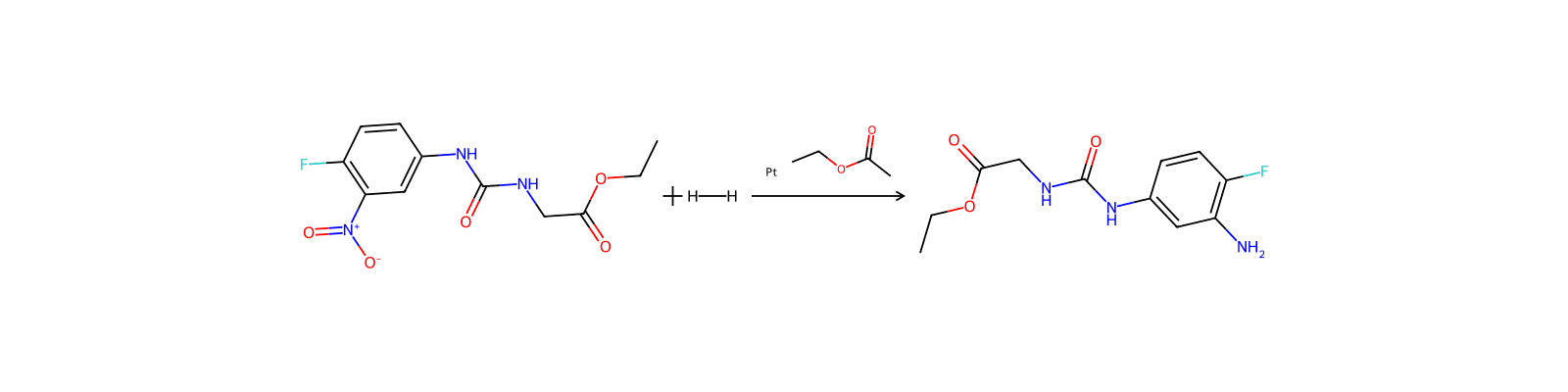
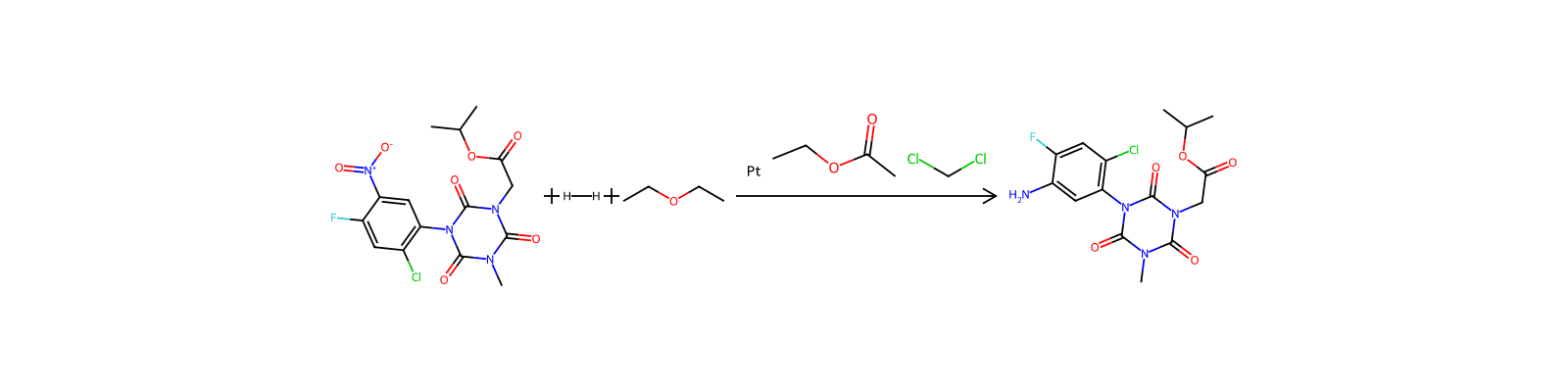
2,402 件


関連ノート
読み込み中…