
4-ヒドロキシベンゼンアクリル酸
4-Coumaric acid

基本情報
- CAS
7400-08-0- 標準SMILES
O=C(O)C=Cc1ccc(O)cc1- InChIKey
NGSWKAQJJWESNS-UHFFFAOYSA-N- 分子式
- C9H8O3
- 平均分子量
- 164.16 g/mol
- 単同位体質量
- 164.04734411
概要
NGSWKAQJJWESNS-UHFFFAOYSA-N has been reported in Camellia sinensis, Camellia reticulata, and other organisms with data available.
名称と識別子
- 優先名称
- 4-Coumaric acid
- IUPAC
- 3-(4-hydroxyphenyl)prop-2-enoic acid
- 現地名
- 4-ヒドロキシベンゼンアクリル酸
- 英語名
- 4-Hydroxycinnamic acid
- 分子式
- C9H8O3
- 分子量
- 164.16
名称と別名
DTXSID6064660CHEBI:360903-(4-hydroxyphenyl)prop-2-enoic acidRefChem:1070546DTXCID10476054-Coumaric acidp-Hydroxycinnamic acidp-Hydroxy-cinnamic acid7400-08-04-trans-4-Hydroxycinnamic acidparahydroxycinnamic acidp-hydroxy cinnamic acid
名称をさらに表示
p-クマル酸4-クマリン酸3-(4-ヒドロキシフェニル)-2-プロペン酸4-ヒドロキシベンゼンアクリル酸3-(4-ヒドロキシフェニル)アクリル酸3-(4-ヒドロキシフェニル)プロペン酸4-クマル酸p-クマリン酸β-(4-ヒドロキシフェニル)アクリル酸p‐ヒドロキシケイ皮酸4-ヒドロキシ桂皮酸ヒドロキシケイヒ酸COUMARIC ACID, 4-(4-ヒドロキシけい皮酸)4-Hydroxycinnamic acidTRANS-P-COUMARIC ACIDTRANS-4-COUMARIC ACIDP-CUMARIC ACIDPHCA3-(4-HYDROXYPHENYL)ACRYLIC ACID3-(4-Hydroxyphenyl)-2-propenoic acidpara-Coumaric acidTRANS-P-CUMARIC ACID
SODIUM2,4-PENTANEDIONATEAlkaline ceramidase2-Propenoic acid, 3-(4-hydroxyphenyl)-, (2Z)-4hydroxycinnamic acidDehydroepiandrosterone-[D6] (CertiMass solution)4- hydroxycinnamic acid4-hy droxycinnamic acid4-hydroxy-cinnamic acid
データベース識別子
- CAS
7400-08-0- PubChem CID
- 322
- DTXSID
DTXSID6064660- EC Number
- 231-000-0
物性
構造計算による物性
- XLogP
- 1.5
- 極性表面積
- 57.5 Ų
- 水素結合供与体数
- 2
- 水素結合受容体数
- 3
- 回転可能結合数
- 2
- 重原子数
- 12
- 形式電荷
- 0
- 複雑度
- 178
実験および物理化学的性質
CosmeticsSkin conditioning
物理化学的性質
- 融点
- 214 °C · 214 °C (dec.)(lit.)
- 沸点
- 251.61 °C · 251.61°C (rough estimate)
- 比重(密度)
- 1.2132 · 1.2132 (rough estimate)
- 屈折率
- 1.538 · 1.5380 (estimate)
- 貯蔵温度
- 30 °C · Store below +30°C.
- 溶解性
- アセトン(微量)、クロロホルム(微量)、メタノール(微量)
- 外見
- 個体
- 酸解離定数(Pka)
- 4.65 · 4.65±0.10(Predicted)
- 色
- ホワイトからオフホワイト
- 由来生物
- rabbit
- 安定性
- 光に敏感
- 化粧品成分の機能
- スキンコンディショニング
- InChI
- InChI=1S/C9H8O3/c10-8-4-1-7(2-5-8)3-6-9(11)12/h1-6,10H,(H,11,12)
- InChIKey
- NGSWKAQJJWESNS-UHFFFAOYSA-N
- SMILES
- C(O)(=O)C=CC1=CC=C(O)C=C1
- LogP
- 1.79 · 1.790
- CAS データベース
安全と法規制
安全情報は参考情報です。供給元の安全データシート(SDS)、適用法令、専門家による評価に代わるものではありません。
GHS分類
GHS Classification
Danger
H301+H311 (63.6%): Toxic if swallowed or in contact with skin [Danger Acute toxicity, oral; acute toxicity, dermal]
P260, P261, P262, P264, P264+P265, P270, P271, P272, P280, P301+P316, P301+P330+P331, P302+P352, P302+P361+P354, P304+P340, P305+P351+P338, P305+P354+P338, P316, P317, P319, P321, P330, P332+P317, P333+P317, P337+P317, P361+P364, P362+P364, P363, P403+P233, P405, and P501 (click each P-code to see the statement)
Aggregated GHS information provided per 44 reports by companies from 7 notifications to the ECHA C&L Inventory. Each notification may be associated with multiple companies.
危険有害性情報
Regulatory Information
REACH registered substance: 4-hydroxycinnamic acid (EC: 231-000-0)
4-Hydroxycinnamic acid: Does not have an individual approval but may be used under an appropriate group standard
Hazard Classes and CategoriesAcute Tox. 3 (68.2%)
安全データ
- wgk
- 2
- tsca
- TSCA listed
- rtecs
- GD9095000
- hs_code
- 2918 29 00
- risk_code
- 36/37/38
- hazard_code
- Xi
- safety_code
- 26-36-36/37/39-22
- Hazard Classifications
- Eye Irrit. 2Skin Irrit. 2STOT SE 3
- ストレージクラス
- 11 - Combustible Solids
化学と産業
用途と製造
Use ClassificationCosmetics -> Skin conditioning
General Manufacturing Information2-Propenoic acid, 3-(4-hydroxyphenyl)-: ACTIVE
応用分野
用途植物生長調整剤。
使用4-Hydroxycinnamic acid is the hydroxy derivative of Cinnamic Acid with antioxidant properties. It is a is a major component of lignocellulose. Studies suggest that 4-Hydroxycinnamic acid may reduce the risk of cancer by reducing the formation of carcinogenic nitrosamines. A recent study reports that 4-Hydroxycinnamic acid may act as a chemical castrator in bees by altering the epression of genes required for ovary development. This compound is common in pollen a major constituent of the worker bee diet, but it is not found in queen bees'royal jelly.
上流・下流製品情報
上流原料
下流製品
関連反応
66 件

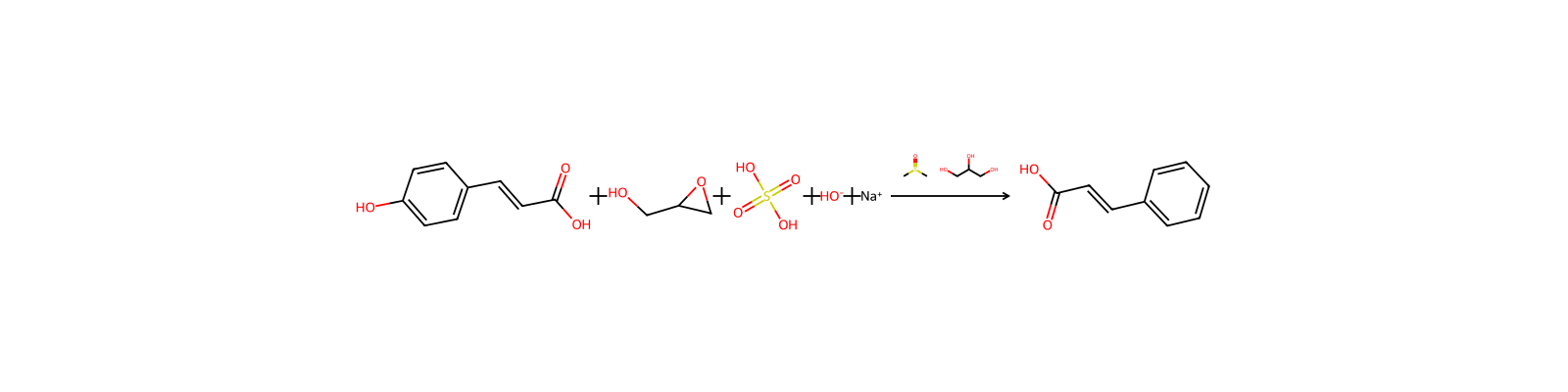

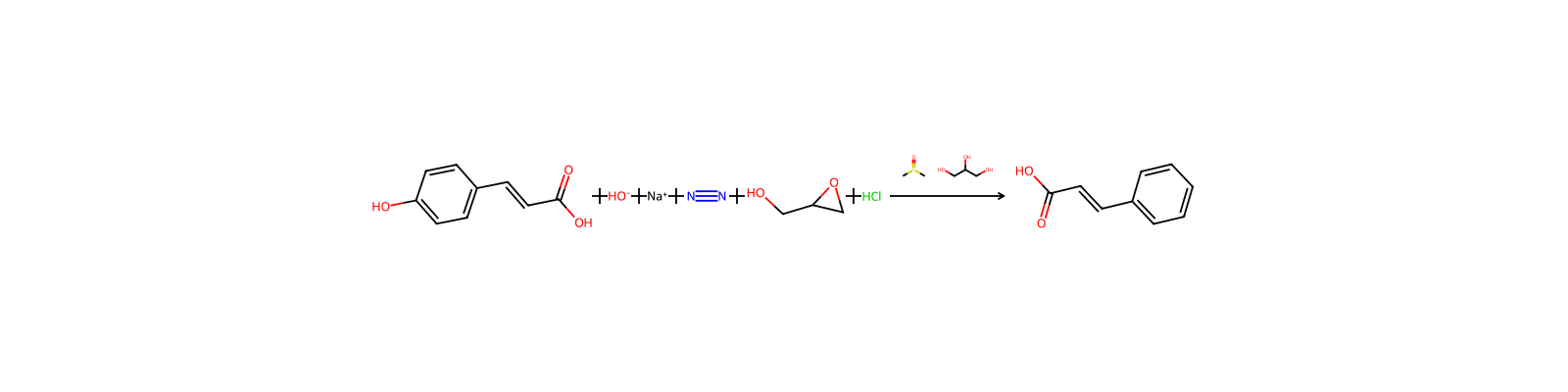


化合物ノート
読み込み中…