ホームMCPワークベンチSkills
ホームワークベンチ通知マイページ
llms.txt · MCPガイドプライバシーポリシー · 利用規約 · サポートv1.8.0
  1. ホーム
  2. /化合物

ブロモエタン

Ethyl Bromide

HCID 6332
ノートを作成反応を作成見積依頼を出す
印刷プレビュー

データを補完しています。しばらくしてからページを更新すると最新の内容を表示できます

基本情報概要名称と識別子物性安全と法規制化学と産業関連反応化合物ノート
部分構造検索類似構造を探す

基本情報

CAS
74-96-4
標準SMILES
CCBr
InChIKey
RDHPKYGYEGBMSE-UHFFFAOYSA-N
分子式
C2H5Br
平均分子量
108.97 g/mol
単同位体質量
107.95746226

概要

Bromoethane can cause cancer according to The National Toxicology Program.

名称と識別子

優先名称
Ethyl Bromide
IUPAC
bromoethane
現地名
ブロモエタン
英語名
Bromoethane
分子式
C2H5Br
分子量
108.96

名称と別名

Bromoethane74-96-4ETHYL BROMIDE1-BromoethaneEthane, bromo-Bromic etherMonobromoethaneHydrobromic etherBromure d'ethyleEtylu bromekHalon 2001NCI-C55481
名称をさらに表示
ブロモエタンブロムエーテルハロン-2001臭化エチルエチルブロミド1-ブロモエタンエチル ブロマイドエチルブロマイド臭化エチル(ブロモエタン)ブロモエタン エチルブロミド臭化エチル( ブロモエタン)ブロモエタン,臭化エチルC2H5BrBromethanEthylbromid1-BromethanF160B1SINOBIOhalon2001Bromoethan
DTXSID6020199NCI-554813LI8384T9PHNSC-8824DTXCID60199CHEBI:47232BromoethanumRefChem:5617

データベース識別子

CAS
74-96-4
PubChem CID
6332
DTXSID
DTXSID6020199
ChEMBL
CHEMBL156378
ChEBI
CHEBI:47232
UNII
LI8384T9PH
EC Number
200-825-8
Nikkaji
J2.383C

物性

構造計算による物性補完中

XLogP
1.4
極性表面積
0 Ų
水素結合供与体数
0
水素結合受容体数
0
回転可能結合数
0
重原子数
3
形式電荷
0
複雑度
2.8

実験および物理化学的性質

Chemical ClassesFlammable agents - 3rd degree
SolventsSolvents -> Brominated Solvents
SpringerMaterials PropertiesCoriolis coupling
LogP · 2 件

log Kow = 1.61

1.61

Odor · 2 件

... Ether-like odor

Ethereal odor

TasteBurning taste
Density · 6 件

1.46 at 68 °F (NTP, 1992) - Denser than water; will sink

1.4604 g/cu cm at 20 °C

Bulk density: 12-12.1 lb/gal

Relative density (water = 1): 1.4

1.46

1.451 @ 20°C

Viscosity0.379 cP at 25 °C
Color/Form · 3 件

Liquid

Colorless, volatile liquid

Colorless to yellow liquid ... [Note: A gas above 101 degrees F]

Solubility · 6 件

less than 1 mg/mL at 61 °F (NTP, 1992)

In water, 9,000 mg/L at 25 °C

安全と法規制

安全情報は参考情報です。供給元の安全データシート(SDS)、適用法令、専門家による評価に代わるものではありません。

GHS分類

GHS Classification · 6 件

Danger

H225: Highly Flammable liquid and vapor [Danger Flammable liquids]

P203, P210, P233, P240, P241, P242, P243, P261, P264, P270, P271, P280, P301+P317, P303+P361+P353, P304+P340, P317, P318, P330, P370+P378, P403+P235, P405, and P501 (click each P-code to see the statement)

Danger

H225 (100%): Highly Flammable liquid and vapor [Danger Flammable liquids]

P203, P210, P233, P240, P241, P242, P243, P261, P264, P270, P271, P280, P301+P317, P303+P361+P353, P304+P340, P317, P318, P330, P370+P378, P403+P235, P405, P501, and P502 (click each P-code to see the statement)

危険有害性情報

Regulatory Information · 6 件

Chemical: Ethane, bromo-

Hazard Traits - Carcinogenicity

Ethane, bromo- is listed on the EPA's Chemical Data Reporting (CDR) system. Manufacturers and importers of Ethane, bromo- are required to report information about their production and use of this chemical to the EPA under the Toxic Substances Control Act (TSCA). (40 eCFR Part 711)

Status: Active Update: 17-05-2019 https://echa.europa.eu/registration-dossier/-/registered-dossier/11503

Bromoethane: HSNO Approval: HSR002987 Approved with controls

The New Jersey Worker and Community Right to Know Act requires public and private employers to provide information about hazardous substances at their workplaces. (N.J.S.A. 34:5A-1 et. seq.)

Other Safety InformationIMAP assessments - Ethane, bromo-: Human health tier II assessment
DOT LabelPoison
Fire Hazards · 3 件

Excerpt from ERG Guide 131 [Flammable Liquids - Toxic]:

· HIGHLY FLAMMABLE: Will be easily ignited by heat, sparks or flames.

Extremely flammable.

Fire PotentialDangerously flammable by heat, open flame (sparks), oxidizers.

化学と産業

薬理情報

Metabolism/Metabolites · 5 件

... It may be hydrolyzed to a significant degree in body, resulting in formation of inorganic bromides.

Ethylmercapturic acid is also an ethyl bromide metabolite as shown by its appearance in the urine of rats administered 1.25 g/kg subcutaneous doses of ethyl bromide. This finding was supported by the presence of S-ethyl-cysteine in acid-treated urine.

Ethyl bromide is a substrate for glutathione S-transferase. Female Wistar rats given 1.16 millimoles of ethyl bromide in oil by gavage were sacrificed 2 hours later, and livers were assayed for glutathione; ethyl bromide-treated rats showed liver glutathione levels 52% that of controls.

The substrate specificity of ammonia monooxygenase in whole cells of the nitrifying bacterium Nitrosomonas europaea have been determined for a number of aliphatic halogenated hydrocarbons. The effect of the halogen substituent and carbon chain length on substrate reactivity was studied by measuring the rates of oxidation of monohalogenated ethanes (fluoroethane, chloroethane, bromoethane, and iodoethane) by whole cells of Nitrosomonas europaea. For monohalogenated ethanes, acetaldehyde was the major organic product and little or none of any of the alternate predicted products (2-halogenated alcohols) were detected.

For more Metabolism/Metabolites (Complete) data for Ethyl bromide (7 total), please visit the HSDB record page.

Absorption, Distribution and Excretion · 4 件

Absorption and excretion through the lungs is rapid ... .

Ethyl bromide has been shown to be absorbed through intact rabbit skin. Ethyl bromide was detected in the rabbits' exhaled air after 20 minutes of skin contact.

Ethyl bromide administered intraperitoneally to rats and mice was found to be rapidly detoxified and did not accumulate upon repeated administration.

Unchanged bromoethane account for approximately 70% of the dose in the expired air of rats dosed orally by gavage.

用途と製造

Uses · 5 件

Used in organic synthesis and as a solvent for chemicals and pharmaceuticals; Used in the past as a refrigerant and an anesthetic; [ACGIH]

Ethylating agent in organic synthesis; as refrigerant.

関連反応

1,513 件
反応記録を作成
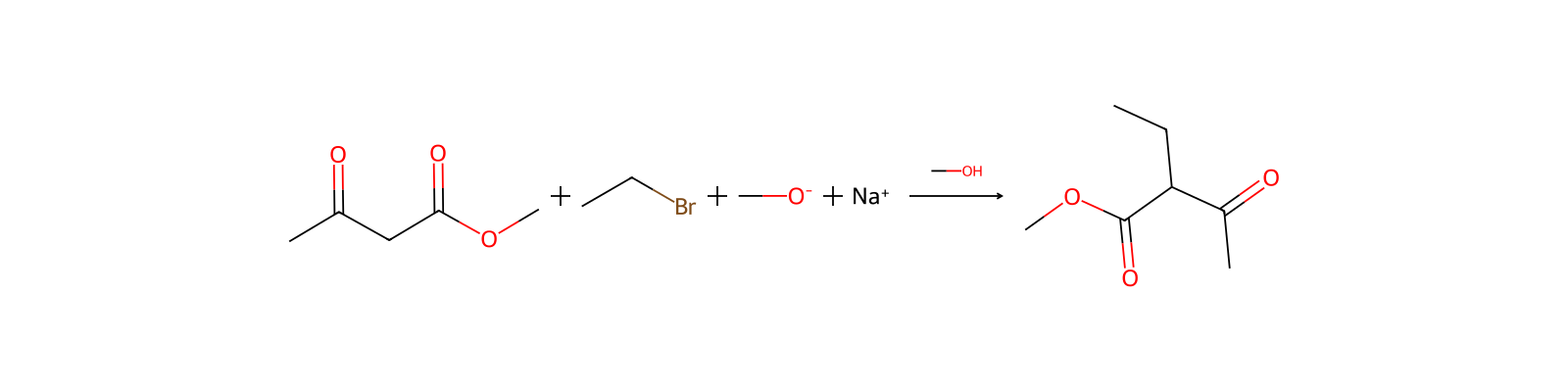
HRID 1986 の反応式
HRID 1986反応物としてuspto-grants-1998_03
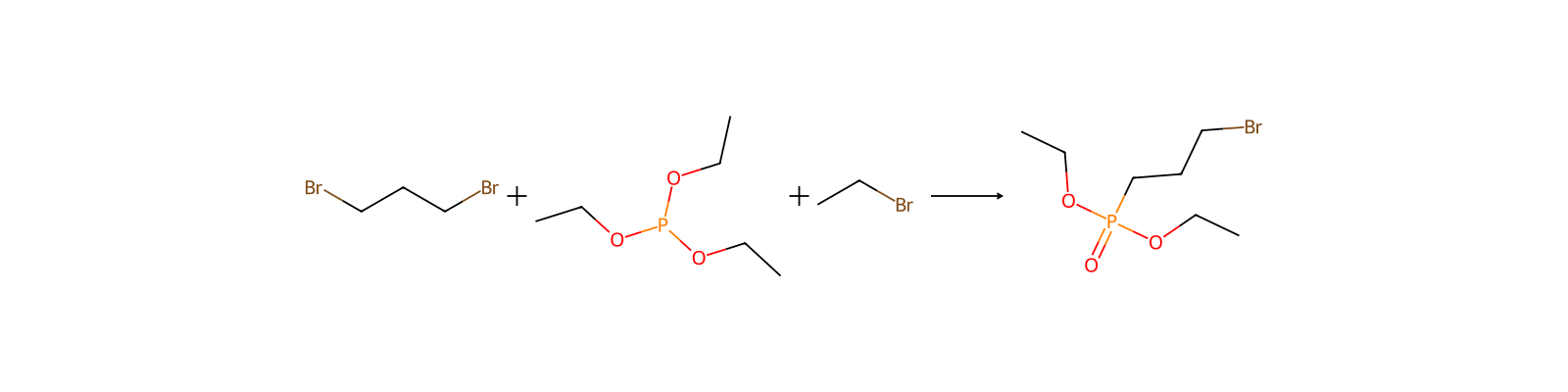
HRID 2097 の反応式
HRID 2097反応物としてuspto-grants-1998_03
HRID 4910 の反応式
HRID 4910反応物としてuspto-grants-1993_09
HRID 5624 の反応式
HRID 5624反応物としてuspto-grants-1993_09
HRID 8620 の反応式
HRID 8620反応物としてuspto-grants-2006_08
HRID 8796 の反応式
HRID 8796反応物としてuspto-grants-2006_08
HRID 11260 の反応式
HRID 11260反応物としてuspto-grants-2006_08
HRID 11936 の反応式
HRID 11936反応物としてuspto-grants-2006_08
1 / 190 ページ

化合物ノート

読み込み中…

このページの内容基本情報概要名称と識別子物性安全と法規制化学と産業関連反応化合物ノート
その他の操作
ノートを作成反応を作成見積依頼を出す

In water, 1.067, 0.965, 0.914, and 0.896 g/100 g water at 0, 10, 20, and 30 °C, respectively

Miscible with ethanol, ether, chloroform

Miscible with organic solvents

Solubility in water, g/100ml at 20 °C: 0.91

CorrosivityLiquid ethyl bromide will attack some forms of plastics, rubber and coatings.
Flash Point · 6 件

-10 °F (NTP, 1992)

-20 °C

-20 °C, -4 °F (Closed cup)

-20 °C c.c.

-10 °F

<4 °F

物理化学的性質

融点
-119 °C · -119 °C
沸点
37 · 37-40 °C(lit.)
比重(密度)
1.46 g/mL · 1.46 g/mL at 25 °C(lit.)
蒸気密度
3.75 · ~3.75 (vs air)
蒸気圧
25.32 psi · 25.32 psi ( 55 °C)
屈折率
20 · n20/D 1.425(lit.)
闪点
-23 °C · -23 °C
貯蔵温度
30 °C · Store below +30°C.
溶解性
エタノール、エーテル、クロロホルム、有機溶媒と混和します。
外見
液体
色
無色透明~微黄色透明
爆発限界(explosive limit)
6.7 · 6.7-11.3%(V)
水溶解度
0.91 g/100mL · 0.91g/100mL(20℃)
比熱容量
0.93 J/ · Cp(liquid): 0.93 J/(g·K); Cp(gas): 0.59 J/(g·K), at 25℃
Merck
14 · 14,3771
BRN
1209224 · 1209224
Henry's Law Constant
7.56 · 7.56(x 10-3 atmm3/mol) at 25 °C (Hine and Mookerjee, 1975)
Dielectric constant
9.4 · 9.4(20℃)
安定性
安定。とても燃えやすい。空気と爆発性混合物を容易に形成します。低い引火点に注意してください。アルカリ金属、アルミニウム、マグネシウム、強塩基、水、強酸化剤とは相容れない。光に過敏になることがあります。
InChI
1S/C2H5Br/c1-2-3/h2H2,1H3
InChIKey
RDHPKYGYEGBMSE-UHFFFAOYSA-N
SMILES
CCBr
表面張力
24.2 mN/m · 24.2mN/m at 20°C
CAS データベース
74 · 74-96-4(CAS DataBase Reference)
NISTの化学物質情報
Ethane, bromo-(74-96-4)
EPAの化学物質情報
Bromoethane (74-96-4)
化学的性質 · 1 件

化学的特性Bromoethane is a colorless, volatile, flammable liquid. When exposed to air and light, it turns yellow. It has an ethereal odor and somewhat burning taste. Bromoethane has a specific gravity of 1.4505 between 4° and 25°C, a boiling point of 38.4°C, a melting point of -119°C, and a vapor pressure of 475 mm mercury at 25°C. It is 0.91% (w/w) soluble in water at 20°C and is miscible with ethanol, ethyl ether, chloroform, and other organic solvents. It has a flash point of -20°C (closed cup). The autoignition temperature is 511°C. The flammable limits in air are between 6.7570 and 11.25%. Although bromoethane is relatively stable, when heated to decomposition it emits highly toxic fumes of bromine and hydrobromide; it can react with oxidizing materials (ITII, 1979; Sittig, 1979; Torkelson and Rowe, 1981; Merck, 1983; Sax, 1984).

Health Hazards · 2 件

Excerpt from ERG Guide 131 [Flammable Liquids - Toxic]:

· TOXIC; may be fatal if inhaled, ingested or absorbed through skin.

Hazards SummaryAnesthesia and liver toxicity occur in animal inhalation studies; [ACGIH] A skin, eye, and respiratory tract irritant; Inhalation of high concentrations can cause CNS depression; [ICSC]
DOT ID and Guide · 2 件

1891 131

1891 131

Reactive GroupHalogenated Organic Compounds
EC ClassificationSymbol: F, Xn; R: 11-20/22-40; S: (2)-36/37; Note: E
UN ClassificationUN Hazard Class: 6.1; UN Pack Group: II
Special Reports · 2 件

Toxicology and Carcinogenesis Studies of Bromoethane (Ethyl Bromide) (CAS No. 74-96-4) in F344/N Rats and B6C3F1 Mice (Inhalation Studies) Report # 363 (1989) NIH Pub # 90-2818, U.S. Department of Health and Human Services, National Toxicology Program, National Institute of Environmental Health Sciences, Research Triangle Park, NC 27709.

USEPA; Health Effects Assessment for Bromoethane (1987) EPA/600/8-88/022

安全と保護具

Fire Fighting · 2 件

Excerpt from ERG Guide 131 [Flammable Liquids - Toxic]:

Use water spray, powder, foam, carbon dioxide.

First Aid Measures · 4 件

Fresh air, rest. Refer for medical attention.

Remove contaminated clothes. Rinse and then wash skin with water and soap. Refer for medical attention .

First rinse with plenty of water for several minutes (remove contact lenses if easily possible), then refer for medical attention.

Refer for medical attention .

Accidental Release Measures · 2 件

· CALL 911. Then call emergency response telephone number on shipping paper. If shipping paper not available or no answer, refer to appropriate telephone number listed on the inside back cover.

· ELIMINATE all ignition sources (no smoking, flares, sparks or flames) from immediate area.

First Aid · 3 件

EYES: First check the victim for contact lenses and remove if present. Flush victim's eyes with water or normal saline solution for 20 to 30 minutes while simultaneously calling a hospital or poison control center. Do not put any ointments, oils, or medication in the victim's eyes without specific instructions from a physician. IMMEDIATELY transport the victim after flushing eyes to a hospital even if no symptoms (such as redness or irritation) develop.

General First Aid:

(General first aid procedures)

Safe StorageFireproof. Separated from incompatible materials. Cool. Dry. Well closed. Ventilation along the floor.
Exposure Control and Personal Protection· Wear positive pressure self-contained breathing apparatus (SCBA).
Fire Fighting Procedures · 4 件

Suitable extinguishing media: Use water spray, alcohol-resistant foam, dry chemical or carbon dioxide.

Advice for firefighters: Wear self-contained breathing apparatus for firefighting if necessary.

Use water spray to cool unopened containers.

If material on fire or involved in fire: Do not extinguish fire unless flow can be stopped. Use water in flooding quantities as fog. Solid streams of water may be ineffective. Cool all affected containers with flooding quantities of water. Use "alcohol" foam, dry chemical or carbon dioxide. Keep run-off water out of sewers and water sources.

Storage Conditions · 1 件

Keep container tightly closed in a dry and well-ventilated place. Containers which are opened must be carefully resealed and kept upright to prevent leakage. Light sensitive. Refrigerate before opening. Over time, pressure may increase causing containers to burst. Handle and open container with care.

Cleanup Methods · 1 件

ACCIDENTAL RELEASE MEASURES: Personal precautions, protective equipment and emergency procedures: Use personal protective equipment. Avoid breathing vapors, mist or gas. Ensure adequate ventilation. Remove all sources of ignition. Evacuate personnel to safe areas. Beware of vapors accumulating to form explosive concentrations. Vapors can accumulate in low areas. Environmental precautions: Prevent further leakage or spillage if safe to do so. Do not let product enter drains. Discharge into the environment must be avoided. Methods and materials for containment and cleaning up: Contain spillage, and then collect with an electrically protected vacuum cleaner or by wet-brushing and place in container for disposal according to local regulations.

Nonfire Spill ResponseExcerpt from ERG Guide 131 [Flammable Liquids - Toxic]:
Disposal Methods · 3 件

SRP: Recycle any unused portion of the material for its approved use or return it to the manufacturer or supplier. Ultimate disposal of the chemical must consider: the material's impact on air quality; potential migration in air, soil or water; effects on animal, aquatic and plant life; and conformance with environmental and public health regulations. If it is possible or reasonable use an alternative chemical product with less inherent propensity for occupational harm/injury/toxicity or environmental contamination.

SRP: Wastewater from contaminant suppression, cleaning of protective clothing/equipment, or contaminated sites should be contained and evaluated for subject chemical or decomposition product concentrations. Concentrations shall be lower than applicable environmental discharge or disposal criteria. Alternatively, pretreatment and/or discharge to a permitted wastewater treatment facility is acceptable only after review by the governing authority and assurance that "pass through" violations will not occur. Due consideration shall be given to remediation worker exposure (inhalation, dermal and ingestion) as well as fate during treatment, transfer and disposal. If it is not practicable to manage the chemical in this fashion, it must be evaluated in accordance with EPA 40 CFR Part 261, specifically Subpart B, in order to determine the appropriate local, state and federal requirements for disposal.

Product: Burn in a chemical incinerator equipped with an afterburner and scrubber but exert extra care in igniting as this material is highly flammable. Offer surplus and non-recyclable solutions to a licensed disposal company. Contact a licensed professional waste disposal service to dispose of this material; Contaminated packaging: Dispose of as unused product.

Spillage Disposal · 1 件

Evacuate danger area! Consult an expert! Remove all ignition sources. Ventilation. Collect leaking and spilled liquid in sealable metal containers as far as possible. Absorb remaining liquid in sand or inert absorbent. Then store and dispose of according to local regulations. Personal protection: chemical protection suit including self-contained breathing apparatus.

毒性情報

Body Burden · 1 件

Clinical cases of occupational ethyl bromide intoxication observed between 1937 and 1942 /were reviewed/. ...Blood bromine concentration of patients suffering from ethyl bromide poisoning at the time of admission were reported to be 15-53 mg/100 mL. Spinal fluid bromine concentrations were 4-7 mg/100 mL. After 5-10 days without exposure, the patients' blood bromine levels were 5-7 mg/100 mL; however after 2-3 weeks, these returned to background levels of 0.61-1.81 mg/100 mL. No background levels for spinal fluid bromine concentration are reported. ...

Treatment · 1 件

EYES: irrigate opened eyes for several minutes under running water. INGESTION: do not induce vomiting. Rinse mouth with water (never give anything by mouth to an unconscious person). Seek immediate medical advice. SKIN: should be treated immediately by rinsing the affected parts in cold running water for at least 15 minutes, followed by thorough washing with soap and water. If necessary, the person should shower and change contaminated clothing and shoes, and then must seek medical attention. INHALATION: supply fresh air. If required provide artificial respiration.

Interactions · 1 件

There is a possible interaction of epinephrine with ethyl bromide. In studies with dogs, ethyl bromide and other halogenated compounds have been shown to cause cardiac syncope. Anesthetized dogs that had inhaled ethyl bromide and that were subsequently injected with 0.03 mg/kg epinephrine died of ventricular fibrillation.

Target OrgansEyes, skin, respiratory system, liver, kidneys, cardiovascular system, central nervous system
Health EffectsBromoethane is a weak carcinogen and a strong lachrymator. Studies in rodents indicated that chronic exposure to moderately high levels of bromoethane can lead to marginal increases in lung, adrenal and brain neoplasms (A3149)
Environmental Fate · 3 件

TERRESTRIAL FATE: Based on a classification scheme(1), an estimated Koc value of 22(SRC), determined from a structure estimation method(2), indicates that ethyl bromide is expected to have very high mobility in soil(SRC). Volatilization of ethyl bromide from moist soil surfaces is expected to be an important fate process(SRC) given an estimated Henry's Law constant of 7.4X10⁻³ atm-cu m/mole(SRC) based upon its vapor pressure, 467 mm Hg(3), and water solubility, 9,000 mg/L(4). Hydrolysis in moist soil may be an important environmental fate process(SRC) based upon aqueous hydrolysis half-lives of 40 and 30 days at pH 7 and at 20 and 25 °C, respectively(5,6). Ethyl bromide is expected to volatilize from dry soil surfaces(SRC) based upon its vapor pressure(3). Utilizing the Japanese MITI test, 33% of the Theoretical BOD was reached in 4 weeks(7) indicating that biodegradation is not likely to be a fast environmental fate process in soil(SRC).

AQUATIC FATE: Based on a classification scheme(1), an estimated Koc value of 22(SRC), determined from a structure estimation method(2), indicates that ethyl bromide is not expected to adsorb to suspended solids and sediment(SRC). Volatilization from water surfaces is expected(3) based upon an estimated Henry's Law constant of 7.4X10⁻³ atm-cu m/mole(SRC), derived from its vapor pressure, 467 mm Hg(4), and water solubility, 9,000 mg/L(5). Using this Henry's Law constant and an estimation method(3), volatilization half-lives for a model river and model lake are 3 hrs and 4 days, respectively(SRC). According to a classification scheme(6), an estimated BCF of 5(SRC), from its log Kow of 1.61(7) and a regression-derived equation(2), suggests the potential for bioconcentration in aquatic organisms is low(SRC). Hydrolysis half-lives of 40 and 30 days at pH 7 and at 20 and 25 °C(8,9), respectively, indicate that hydrolysis is an important enviornmental fate process in water(SRC). Utilizing the Japanese MITI test, 33% of the Theoretical BOD was reached in 4 weeks(10) indicating that biodegradation is not likely to be a fast environmental fate process in water(SRC).

ATMOSPHERIC FATE: According to a model of gas/particle partitioning of semivolatile organic compounds in the atmosphere(1), ethyl bromide, which has a vapor pressure of 467 mm Hg at 25 °C(2), is expected to exist solely as a vapor in the ambient atmosphere. Vapor-phase ethyl bromide is degraded in the atmosphere by reaction with photochemically-produced hydroxyl radicals(SRC); the half-life for this reaction in air is estimated to be 45 days(SRC), calculated from its rate constant of 3.5X10⁻¹³ cu cm/molecule-sec at 25 °C(3). Ethyl bromide does not contains chromophores that absorb at wavelengths >290 nm(4) and, therefore, is not expected to be susceptible to direct photolysis by sunlight(SRC).

Adverse EffectsNeurotoxin - Acute solvent syndrome
Exposure Routes · 3 件

The substance can be absorbed into the body by inhalation and by ingestion.

inhalation, ingestion, skin and/or eye contact

Oral (L626) ; inhalation (L626) ; dermal (L626)

Toxicity Summary · 2 件

IDENTIFICATION AND USE: Ethyl bromide is a colorless liquid with a vapor heavier than air. Ethyl bromide is used as an ethylating agent in chemical synthesis. Ethyl bromide was formerly used as a narcotic agent for dental and medical surgery. HUMAN STUDIES: The main health concerns relating to the exposure of ethyl bromide are the potential for neurotoxicity, irritation of the respiratory tract, damage to genetic material, carcinogenicity, hematotoxicity and hepatotoxicity. Limited human experience during surgical anesthesia has indicated that, in addition to CNS depression, there is a possibility of lung congestion and degeneration of the liver and kidney tissues. Symptoms of exposure to ethyl bromide include irritation of the skin, eyes, mucous membranes, and upper respiratory tract. Other symptoms include CNS depression, lung irritation, acute congestion and edema, liver damage, and kidney damage. It can cause nausea, dizziness, headache, and nervous system disturbances. Central nervous system depression, cardiac arrhythmias, and cardiac arrest may occur. Loss of balance, slurred speech, unconsciousness, and death can occur. Ingestion can cause burning of the digestive tract, vomiting, and moderate gastrointestinal upset. Skin rash may occur. It can affect motor control after repeated exposures. Heart damage has been reported. The course of ethyl bromide poisoning was described in three stages. The first stage lasted 2-4 days and involved a garlicky odor on the breath, sleepiness, fatigue, sharp pain and paresthesia of the lower legs, and staggering gate. During the second phase that lasted 2-5 days, the symptoms of the first phase grew more severe. The third phase was characterized by spastic paresthesia of the legs, disturbance of the peripheral nervous system, and atrophy of the lower leg. CNS disturbances can also occur at high ethyl bromide exposures. Prognosis for recovery is good for most patients. ANIMAL STUDIES: Immediate effects of ethyl bromide exposure in mice and rats included increased respiration, hyperactivity, incoordination, dyspnea, and coma. The liquid is apparently irritating to skin and eyes of rabbits and is reported to be absorbed through the skin. Exposure of rats and rabbits by inhalation at 538 ppm ethyl bromide for 4 hr/day for 6 months resulted in disruption of hepatic function as shown by a decrease in hepatic glycogen and fat levels as well as prolonged hexobarbital sleep. Hepatic cell granular dystrophy and decreased cytoplasmic RNA levels were also reported. Another study reported that exposure of rats, also at 538 ppm of ethyl bromide by inhalation resulted in hyperplasia and hypertrophy of the pituitary gland, hypertrophy of the cortex, and increased lipid content of the adrenal gland. Severe testicular atrophy was observed in rats, but not in mice, at 1600 ppm (7.14 g/cu m) ethyl bromide but not at lower concentrations. ln female mice, but not in rats, the size and number of corpora lutea in the ovary were decreased at 1600 ppm (7/10 animals) and at 800 ppm (3.57 g/cu m, 3/9 animals). Ethyl bromide was mutagenic to bacteria, but not to Drosophila melanogaster in a single study. In another single study, ethyl bromide increased the incidence of sister chromatid exchanges, but not of chromosomal aberrations in cultured mammalian cells. In a two year carcinogenicity bioassay by inhalation, a dose related increase in uterine tumors was observed in female mice. A small increase in the incidence of gliomas was found in female rats exposed to the highest dose used.

Plant Concentrations · 1 件

The release of ethyl bromide by polar macroalgae (Phaeophyta (brown), Rhodophyta (red) and Chlorophyta (green) species native to King George Island, Antarctic; green species native to Spitsbergen and Disko Island, Greenland) was investigated at 0 °C under a laboratory setting(1).[Table#1523]

Signs and Symptoms · 4 件

Drowsiness. Unconsciousness.

Pain. Redness.

irritation eyes, skin, respiratory system; central nervous system depression; pulmonary edema; liver, kidney disease; cardiac arrhythmias, cardiac arrest

Inhalation can cause drowsiness and excessive amounts can lead to unconsciousness. Exposure to eyes can lead to redness and pain.

Ongoing Test Status · 2 件

The following link will take the user to the National Toxicology Program (NTP) Test Status of Agents Search page, which tabulates the results and current status of tests such as "Short-Term Toxicity Studies", "Long-term Carcinogenicity Studies", "Developmental Studies", "Genetic Toxicology Studies", etc., performed with this chemical. Testing status for ethyl bromide is available.[Available from, as of February 1, 2019: https://ntpsearch.niehs.nih.gov/?e=True&ContentType=Testing+Status]

EPA has released the Interactive Chemical Safety for Sustainability (iCSS) Dashboard. The iCSS Dashboard provides an interactive tool to explore rapid, automated (or in vitro high-throughput) chemical screening data generated by the Toxicity Forecaster (ToxCast) project and the federal Toxicity Testing in the 21st century (Tox21) collaboration. /The title compound was tested by ToxCast and/or Tox21 assays/[USEPA; ICSS Dashboard Application; Available from, as of February 4, 2019: http://actor.epa.gov/dashboard/]

法規制情報

TSCA Requirements · 2 件

Section 8(a) of TSCA requires manufacturers of this chemical substance to report preliminary assessment information concerned with production, exposure, and use to EPA as cited in the preamble in 51 FR 41329. Effective date: 3/11/94; Reporting date: 5/10/94.

Pursuant to section 8(d) of TSCA, EPA promulgated a model Health and Safety Data Reporting Rule. The section 8(d) model rule requires manufacturers, importers, and processors of listed chemical substances and mixtures to submit to EPA copies and lists of unpublished health and safety studies. Ethyl bromide is included on this list. Effective date: 3/11/94; Sunset date: 6/30/98.

Atmospheric Standards · 1 件

This action promulgates standards of performance for equipment leaks of Volatile Organic Compounds (VOC) in the Synthetic Organic Chemical Manufacturing Industry (SOCMI). The intended effect of these standards is to require all newly constructed, modified, and reconstructed SOCMI process units to use the best demonstrated system of continuous emission reduction for equipment leaks of VOC, considering costs, non air quality health and environmental impact and energy requirements. Ethyl bromide is produced, as an intermediate or a final product, by process units covered under this subpart.

State Drinking Water Guidelines(WA) WASHINGTON 5 ug/L

安全データ

F
8
wgk
1
IDLA
2,000 ppm
tsca
TSCA listed
rtecs
KH6475000
ridadr
UN 1891
毒性
LC50 rats, mice (ppm): 27000, 16200 (Vernot)
hs_code
2903 39 19
risk_code
11-20/22-40
化審法
(9)-518
安衛法
57,57-2
消防法
危険物第4類特殊引火物
hazard_code
F,Xn
safety_code
36/37
hazard_class
3
packing_group
II
毒劇物取締法
劇物
自然発火温度
952 °F
Hazard Classifications
Acute Tox. 4 InhalationAcute Tox. 4 OralCarc. 2Flam. Liq. 2Ozone 1
ストレージクラス
3 - Flammable liquids
有毒物質データの
74-96-4(Hazardous Substances Data)

Organic synthesis, ... refrigerant, solvent, grain and fruit fumigant.

The main commercial uses of ethyl bromide at present are as an ethylating agent & as a solvent in the chemical & pharmaceutical industries. Ethyl bromide has been used as a refrigerant. Human exposure to ethyl bromide has occurred during its use as an anesthetic, but widespread use for this purpose has been stopped.

Bromoethane is an industrial chemical.

U.S. Production · 4 件

2023: 1,000,000 - <8,500,000 lb

(1972) PROBABLY GREATER THAN 4.54X10+5 GRAMS

(1975) PROBABLY GREATER THAN 1.36X10+6 GRAMS

Non-confidential 2016 Chemical Data Reporting (CDR) information on the production and use of chemicals manufactured or imported into the United States. Chemical: ethyl bromide:

Industry UsesNot Known or Reasonably Ascertainable
Methods of Manufacturing · 2 件

Made by distilling from a mixture of HBr, ethyl alcohol and H2SO4; ... by phosphorus and bromine method.

... Ethyl bromide is produced by refluxing ethanol with hydrobromic acid, or with an alkali bromide and sulfuric acid. The reaction of ethane with sulfur trioxide and potassium bromide at 300-325 °C produces ethyl bromide with a 91% yield based on ethane.

Formulations/PreparationsGrade: Technical (98%)
General Manufacturing Information · 2 件

Not Known or Reasonably Ascertainable

Ethane, bromo-: ACTIVE

応用分野 · 9 件

解説C2H5Br(108.97).ハロゲン化アルキルの一つ。ブロモエタンは,エーテル臭の揮発性液体.引火点-20 ℃,融点-125.5 ℃,沸点38.4 ℃.d2041.4555.n20D1.4238.臭化エチル、エチルブロミドともよぶ。エタンの水素原子1個を臭素原子で置換したもの。無色の液体。水に難溶、エタノール(エチルアルコール)、ベンゼンなどの有機溶媒に可溶。経口・吸入ともに有毒(許容濃度200ppm)。エタノールに臭化水素酸と少量の硫酸を加えて蒸留すれば得られる。臭化エチルともいう.エタノールに臭化水素と硫酸とを加えて蒸留すると得られる.森北出版「化学辞典(第2版)

用途有機合成原料、冷凍剤

用途真用、I R 用測定粉末

用途ブロモエタンは,有機合成でエチル化剤として利用される。また、麻酔剤としても用いられる。

用途有機合成原料、医薬品、冷凍剤原料、農薬原料

説明Ethyl bromide is a colorless to yellow liquid that becomes a gas at temperatures above 101 °F (38 ℃). Ethyl bromide has an etherlike odor and a burning taste. Ethyl bromide is miscible with alcohols, ether, chloroform, and organic solvents; its water solubility is 9000 mg l-1 at 25 ℃. Ethyl bromide’s vapor density relative to air is 3.76.

使用Bromoethane is an alkylating agent primarily used as a chemical intermediate in organic synthesis, in the manufacture of pharmaceuticals, and for the ethylation of gasoline. To a lesser extent, it has been used as a fruit and grain fumigant, refrigerant, and solvent. Although proposed occasionally as a general anesthetic in the earlier part of this century, it has not been used to any extent for this purpose (Sayers et al., 1929; Abreu et al., 1939; ITII, 1979; Sittig, 1979; Torkelson and Rowe, 1981;Merck, 1983).

一般的な説明A colorless volatile liquid. Slightly soluble in water and denser than water. Flash point below 0°F. Vapors are heavier than air. Toxic by inhalation. Irritates skin and eyes. Used to make pharmaceuticals and as a solvent.

使用用途臭化エチルは、有機合成のためのエチル化剤として使用されています。例えば、カルボン酸塩からのエチルエステル合成やアミン類のエチル化によるエチルアミン合成などに使われています。 また、有機マグネシウムハロゲン化物であるグリニャール試薬 (英: Grignard reagent) の原料としても使用可能です。有機合成でグリニャール試薬は、欠かせない試薬として長年使われています。 医薬分野では医薬品の原料として使われ、麻酔薬に使われる場合もあります。

調製方法 · 3 件

製造方法Bromoethane is produced by the reaction of either hydrogen or potassium bromide with cold ethanol or with ethylene and sulfuric acid (Hawley, 1977; Sittig, 1979; Merck, 1983). It is commercially available at greater than 99% purity. Production from two U.S. manufacturers was estimated at 163.5 million pounds in 1986 (CSITC, 1987); no recent import and export information was available in the literature.

合成方法赤リンの存在下エタノールに臭素を徐々に作用させたあと,蒸留?精製する。触媒の存在下エチレンに臭化水素を付加させる方法もある

純化方法The main impurities are usually EtOH and water, both of which form azeotropes with it. Ethanol and unsaturated compounds can be removed by washing with conc H2SO4 until no further coloration is produced. The ethyl bromide is then washed with water, aqueous Na2CO3, and water again, then dried with CaCl2, MgSO4 or CaH2, and distilled from P2O5. Olefinic impurities can also be removed by storing the ethyl bromide in daylight with elemental bromine, later removing the free bromine by extraction with dilute aqueous Na2SO3, drying the ethyl bromide with CaCl2 and fractionally distilling it. Alternatively, unsaturated compounds can be removed by bubbling oxygen containing ca 5% ozone through the liquid for an hour, then washing with aqueous Na2SO3 to hydrolyse ozonides and remove hydrolysis products, followed by drying and distillation. [Beilstein 1 IV 150.]

上流・下流製品情報

上流原料

エタノール臭化水素酸Ethanol 95%臭素Sulphur硫酸水素

下流製品

cis-6-ノネン-1-オールエチル フェニル スルフィドN,N-ジエチル-o-トルイジン1-エチル-3-メチルイミダゾリウムテトラフルオロボラート2-エチルマロン酸ジメチル4-アミノ-6-tert-ブチル-3-(エチルチオ)-1,2,4-トリアジン-5(4H)-オン2-エトキシベンズアルデヒドN-[3-(ジエチルアミノ)フェニル]アセトアミド1-エチル-3-メチルイミダゾリウムジシアナミドN,N-ジエチル-m-トルイジンエチニルマグネシウムブロミドN,N-ジエチル-p-トルイジン2-エチルシクロヘキサノン1,2-ジエトキシベンゼン(3α,16α)-エブルナメニン4-ニトロフェネトールチメロサール7-エトキシクマリンビス(トリメチルシリル)アセチレンジエチレングリコールジエチルエーテルネファゾドン2-エトキシベンズアミド2-エチル-2-アダマンタノール2-エチル-1,3,3-トリメチル-2-ノルボルナノール9-エチルカルバゾールアステミゾール3-エトキシプロピオニトリルジフェニドール塩酸塩cis-4-ヘプテナールグアニジノ酢酸1-エチル-3-メチルイミダゾリウムビス(トリフルオロメタンスルホニル)イミドクエン酸タモキシフェンエプリステリド4-エチルモルホリンDisperse Blue SE-2Rα-エチルベンゼンアセトニトリル2-(4-アミノフェニル)酪酸6-エトキシ-2(3H)-ベンゾチアゾールチオンジエチルフェニルホスフィンN-エチル-m-トルイジン
補足説明 · 1 件

定義ChEBI: Bromoethane is a bromoalkane that is ethane carrying a bromo substituent. It is an alkylating agent used as a chemical intermediate in various organic syntheses. It has a role as a carcinogenic agent, a solvent, a refrigerant, a local anaesthetic and an alkylating agent. It is a bromoalkane, a bromohydrocarbon and a volatile organic compound.

Organobromide compounds, especially alkylbromides are strong alkylating agents. Consequently they can randomly modify the surfaces of proteins and lipids, leading to the disruption of enzyme, transporter or membrane functions. One of the most probable protein targets is the TRPA1 ion channel that is expressed in sensory nerves (trigeminal nerve) of the eyes, nose, mouth and lungs. Alkylation of DNA by alkylbromides may also lead to mutations.