

基本情報
- 標準SMILES
C=C(C)C- InChIKey
VQTUBCCKSQIDNK-UHFFFAOYSA-N- 分子式
- C4H8
- 平均分子量
- 56.11 g/mol
- 単同位体質量
- 56.06260026
概要
Isobutylene is a colorless gas with a faint petroleum-like odor. For transportation it may be stenched. It is shipped as a liquefied gas under its own vapor pressure. Contact with the liquid can cause frostbite. It is easily ignited. Its vapors are heavier than air and a flame can flash back to the source of leak very easily. The leak can either be a liquid or vapor leak. It can asphyxiate by the displacement of air. Under prolonged exposure to fire or heat the containers may rupture violently and rocket. It is used in the production of isooctane, a high octane aviation gasoline.
名称と識別子
- 優先名称
- Isobutylene
- IUPAC
- 2-methylprop-1-ene
- 英語名
- Isobutylene
- 分子式
- C4H8
- 分子量
- 0
名称と別名
ISOBUTYLENEIsobutene2-methylprop-1-ene2-Methylpropene115-11-72-Methyl-1-propene2-Methylpropylene1,1-Dimethylethylenegamma-Butylene1-Propene, 2-methyl-IsopropylidenemethylenePropene, 2-methyl-
名称をさらに表示
1,1-DimethyletheneQA2LMR467HDTXSID9020748CHEBI:439072-methyl propeneRefChem:5913DTXCID90748204-066-3
データベース識別子
- CAS
115-11-7、68037-14-9- PubChem CID
- 8255
- DTXSID
DTXSID9020748- ChEBI
CHEBI:43907- UNII
- QA2LMR467H
- EC Number
- 204-066-3
- Nikkaji
- J2.465A
物性
構造計算による物性
- XLogP
- 2.1
- 極性表面積
- 0 Ų
- 水素結合供与体数
- 0
- 水素結合受容体数
- 0
- 回転可能結合数
- 0
- 重原子数
- 4
- 形式電荷
- 0
- 複雑度
- 23
実験および物理化学的性質
Chemical Classes
Other Classes -> Aliphatics, Unsaturated
Flammable agents - 4th degree
SpringerMaterials PropertiesCoriolis coupling
LogP
log Kow = 2.34
2.35
2.34
OdorCoal gas odor
Density
0.59 at 68 °F (USCG, 1999) - Less dense than water; will float
0.589 g/cu cm at 25 °C (p >1 atm)
Density: 0.6 at 20 °C
Relative density (water = 1): 0.59
0.6 @25 °C
Color/Form
Colorless gas
Colorless volatile liquid or easily liquefied gas
Solubility
Insoluble (NTP, 1992)
In water, 263 mg/L at 25 °C
Very soluble in ethanol and ether; soluble in benzene, sulfuric acid
Soluble in organic solvents
Solubility in water, g/100ml at 20 °C: 0.03
Flash Point
-105 °F (NTP, 1992)
-76 °C
-80 °C (-112 °F) - closed cup
-105 °F (-76 °C)
-76.1 °C c.c.
Boiling Point
19.6 °F at 760 mmHg (NTP, 1992)
-7.0 °C
-6.9 °C
-6.9 °C @760 [mm Hg]
Decomposition
Hazardous decomposition products formed under fire conditions: Carbon oxides
When heated to decomposition it emits acrid smoke and fumes.
Melting Point
-220.5 °F (NTP, 1992)
-140.7 °C
-140.3 °C
-140.3 °C
Vapor Density
1.9 (NTP, 1992) - Heavier than air; will sink (Relative to Air)
1.94 (Air = 1)
Relative vapor density (air = 1): 1.94
安全と法規制
GHS分類
GHS Classification
Danger
H220: Extremely flammable gas [Danger Flammable gases]
P203, P210, P222, P280, P377, P381, and P403 (click each P-code to see the statement)
This chemical does not meet GHS hazard criteria for < 0.1% (1 of 1424) of reports.
Danger
H220 (99.9%): Extremely flammable gas [Danger Flammable gases]
危険有害性情報
Regulatory Information
Chemical: 1-Propene, 2-methyl-
1-Propene, 2-methyl- is listed on the EPA's Chemical Data Reporting (CDR) system. Manufacturers and importers of 1-Propene, 2-methyl- are required to report information about their production and use of this chemical to the EPA under the Toxic Substances Control Act (TSCA). (40 eCFR Part 711)
Status: Active Update: 15-05-2023 https://echa.europa.eu/registration-dossier/-/registered-dossier/16106
1-Propene, 2-methyl- (isobutene): HSNO Approval: HSR001004 Approved with controls
The New Jersey Worker and Community Right to Know Act requires public and private employers to provide information about hazardous substances at their workplaces. (N.J.S.A. 34:5A-1 et. seq.)
Other Safety InformationIMAP assessments - 1-Propene, 2-methyl-: Human health tier I assessment
DOT LabelFlammable Gas
Fire Hazards
Behavior in Fire: Containers may explode in fire. Vapor is heavier than air and may travel a long distance to a source of ignition and flash back. (USCG, 1999)
· EXTREMELY FLAMMABLE.
· EXTREMELY FLAMMABLE.
Extremely flammable. Gas/air mixtures are explosive. Risk of fire and explosion on contact with oxidizing agents or halogens. See Chemical Dangers.
Fire Potential
A very dangerous fire and explosion hazard when exposed to heat or flame.
Highly flammable, dangerous fire, and explosion risk.
Health Hazards
Inhalation of moderate concentrations causes dizziness, drowsiness, and unconsciousness. Contact with eyes or skin may cause irritation; the liquid may cause frostbite. (USCG, 1999)
· Vapors may cause dizziness or asphyxiation without warning, especially when in closed or confined areas.
· Vapors may cause dizziness or asphyxiation without warning, especially when in closed or confined areas.
Hazards Summary
In confined space spill, may displace air and act as simple asphyxiant; Evaporating liquid can cause frostbite; Inhalation of high concentrations can cause CNS depression; [ICSC] May cause irritation; Evaporating liquid can cause frostbite; In confined space spill, may displace air and act as simple asphyxiant; Inhalation of high concentrations can cause CNS depression and anesthesia; [MSDSonline] See Butene, all isomers.
DOT ID and Guide
1055 115
1075 115
FDA RequirementsIsobutylene is an indirect food additive for use only as a component of adhesives.
Reactive GroupHydrocarbons, Aliphatic Unsaturated
EC ClassificationSymbol: F+; R: 12; S: (2)-9-16-33; Note: C
UN ClassificationUN Hazard Class: 2.1
安全と保護具
Fire Fighting
Excerpt from ERG Guide 115 [Gases - Flammable (Including Refrigerated Liquids)]:
Shut off supply; if not possible and no risk to surroundings, let the fire burn itself out. In other cases extinguish with water spray, powder, carbon dioxide. In case of fire: keep drums, etc., cool by spraying with water. Combat fire from a sheltered position.
First Aid Measures
Fresh air, rest. Artificial respiration may be needed. Refer for medical attention.
ON FROSTBITE: rinse with plenty of water, do NOT remove clothes. Refer for medical attention .
First rinse with plenty of water for several minutes (remove contact lenses if easily possible), then refer for medical attention.
Accidental Release Measures
· CALL 911. Then call emergency response telephone number on shipping paper. If shipping paper not available or no answer, refer to appropriate telephone number listed on the inside back cover.
· ELIMINATE all ignition sources (no smoking, flares, sparks or flames) from immediate area.
· CALL 911. Then call emergency response telephone number on shipping paper. If shipping paper not available or no answer, refer to appropriate telephone number listed on the inside back cover.
· ELIMINATE all ignition sources (no smoking, flares, sparks or flames) from immediate area.
First Aid
EYES: First check the victim for contact lenses and remove if present. Flush victim's eyes with water or normal saline solution for 20 to 30 minutes while simultaneously calling a hospital or poison control center. Do not put any ointments, oils, or medication in the victim's eyes without specific instructions from a physician. IMMEDIATELY transport the victim after flushing eyes to a hospital even if no symptoms (such as redness or irritation) develop.
General First Aid:
General First Aid:
Safe StorageFireproof. Separated from incompatible materials. See Chemical Dangers. Cool.
Exposure Control and Personal Protection
· Wear positive pressure self-contained breathing apparatus (SCBA).
· Wear positive pressure self-contained breathing apparatus (SCBA).
Fire Fighting Procedures
Suitable extinguishing media: Use water spray, alcohol-resistant foam, dry chemical or carbon dioxide.
Advice for firefighters: Wear self-contained breathing apparatus for firefighting if necessary.
Use water spray to cool unopened containers.
To fight fire, stop flow of gas.
Storage ConditionsKeep container tightly closed in a dry and well-ventilated place.
Cleanup Methods
ACCIDENTAL RELEASE MEASURES: Personal precautions, protective equipment and emergency procedures: Avoid breathing vapors, mist or gas. Ensure adequate ventilation. Remove all sources of ignition. Evacuate personnel to safe areas. Beware of vapors accumulating to form explosive concentrations. Vapors can accumulate in low areas. Environmental precautions: Prevent further leakage or spillage if safe to do so. Do not let product enter drains. Methods and materials for containment and cleaning up: Clean up promptly by sweeping or vacuum.
Nonfire Spill ResponseExcerpt from ERG Guide 115 [Gases - Flammable (Including Refrigerated Liquids)]:
Disposal Methods
SRP: Recycle any unused portion of the material for its approved use or return it to the manufacturer or supplier. Ultimate disposal of the chemical must consider: the material's impact on air quality; potential migration in air, soil or water; effects on animal, aquatic and plant life; and conformance with environmental and public health regulations. If it is possible or reasonable use an alternative chemical product with less inherent propensity for occupational harm/injury/toxicity or environmental contamination.
Product: Burn in a chemical incinerator equipped with an afterburner and scrubber but exert extra care in igniting as this material is highly flammable. Offer surplus and non-recyclable solutions to a licensed disposal company. Contact a licensed professional waste disposal service to dispose of this material. Contaminated packaging: Dispose of as unused product.
Spillage DisposalEvacuate danger area! Consult an expert! Ventilation. Remove all ignition sources. Do NOT wash away into sewer. NEVER direct water jet on liquid. Personal protection: chemical protection suit including self-contained breathing apparatus.
毒性情報
Interactions
Gas-liquid chromatography was used to study brain hydrocarbon content in rats and mice inhaling mixtures of butane and isobutylene. There was summation of CNS depressant effects of butane and isobutylene toward potentiation rather than antagonism.
Environmental Fate
TERRESTRIAL FATE: Based on a classification scheme(1), an estimated Koc value of 32(SRC), determined from a structure estimation method(2), indicates that isobutylene is expected to have very high mobility in soil(SRC). Volatilization of isobutylene from moist soil surfaces is expected to be an important fate process(SRC) given a Henry's Law constant of 0.218 atm-cu m/mole(3). Isobutylene is expected to volatilize from dry soil surfaces(SRC) based upon a vapor pressure of 2,308 mm Hg at 25 °C(4). Isobutylene was degraded to 1,2-epoxy butane by pure cultures of methanotrophic bacteria(5), suggesting biodegradation may occur at intefaces between aerobic and anaerobic conditions in soil(SRC).
FIELD STUDY: Isobutylene was detected at 165 and 125 ppbv in 2 gas recovery wells at the Case Passerini landfill site in Florence, Italy. The concentration was <10 ppbv in cover soil samples at depths of 0, 30, 50 and 70 cm. Sampling was conducted during the summer dry season in July(1).
AQUATIC FATE: Based on a classification scheme(1), an estimated Koc value of 32(SRC), determined from a structure estimation method(2), indicates that isobutylene is not expected to adsorb to suspended solids and sediment(SRC). Volatilization from water surfaces is expected(3) based upon a Henry's Law constant of 0.218 atm-cu m/mole(4). Using this Henry's Law constant and an estimation method(3), volatilization half-lives for a model river and model lake are 2 and 71 hours, respectively(SRC). According to a classification scheme(5), an estimated BCF of 16(SRC), from its log Kow of 2.34(6) and a regression-derived equation(2), suggests the potential for bioconcentration in aquatic organisms is low(SRC). Isobutylene was degraded to 1,2-epoxy butane by pure cultures of methanotrophic bacteria(7), suggesting biodegradation may occur at intefaces between aerobic and anaerobic conditions in water(SRC).
ATMOSPHERIC FATE: According to a model of gas/particle partitioning of semivolatile organic compounds in the atmosphere(1), isobutylene, which has a vapor pressure of 2,308 mm Hg at 25 °C(2), is expected to exist solely as a gas in the ambient atmosphere. Gas-phase isobutylene is degraded in the atmosphere by reaction with photochemically-produced hydroxyl radicals(SRC); the half-life for this reaction in air is estimated to be 7.5 hours(SRC), calculated from its rate constant of 5.14X10⁻¹¹ cu cm/molecule-sec at 25 °C(3). The rate constant for the gas-phase reaction of isobutylene with ozone has been measured as 1.2X10⁻¹⁷ cu cm/molecule-sec at 25 °C(4). This corresponds to an atmospheric half-life of about 23 hours at an atmospheric concentration of 7X10+11 ozone molecules per cu cm(4). Isobutylene does not absorb UV light at wavelengths >290 nm(5) and, therefore, is not expected to be susceptible to direct photolysis by sunlight(SRC).
Adverse EffectsNeurotoxin - Acute solvent syndrome
Exposure RoutesThe substance can be absorbed into the body by inhalation.
Toxicity Summary
IDENTIFICATION AND USE: Isobutylene is an easily liquefied gas. It is used to produce diisobutylene, trimers, butyl rubber, and other polymers. It is also used to produce antioxidants for foods, packaging, food supplements, and for plastics. HUMAN STUDIES: Isobutene causes CNS depression at higher concentrations. There is a linear relationship between the degree of CNS depression and the cerebral concentrations. Isobutylene was not mutagenic when tested in the in vitro micronucleus test using human lymphocytes. ANIMAL STUDIES: Isobutene, at 30%, produces no CNS depression in mice, and excitement and CNS depression in 7 to 8 min at 40%, but immediate CNS depression in 2-2.25 min at 50%, or in 50-60 sec at 60 to 70%. Exposure to isobutene by inhalation for 2 years resulted in increased incidences and/or severities of nasal lesions including hyaline degeneration of the olfactory epithelium in mice and hyaline degeneration of the respiratory epithelium in male and female mice. There was no evidence of carcinogenic activity of isobutylene in male or female mice exposed to 500, 2,000, or 8,000 ppm 6 hours per day, 5 days per week, for 105 weeks. There was some evidence of carcinogenic activity of isobutene in male rats based on an increased incidence of follicular cell carcinoma of the thyroid gland. It was negative when tested for mutagenicity in Escherichia coli, the Ames Salmonella typhimurium assay, and a modified Salmonella assay, with and without metabolic activation. No increase in the frequency of micronucleated erythrocytes was seen in peripheral blood of male or female mice treated with isobutylene by inhalation for 14 weeks.
Signs and Symptoms
Dizziness. Drowsiness. Lethargy. Nausea. Unconsciousness. Vomiting.
ON CONTACT WITH LIQUID: FROSTBITE.
See Skin.
Ongoing Test Status
The following link will take the user to the National Toxicology Program (NTP) Test Status of Agents Search page, which tabulates the results and current status of tests such as "Short-Term Toxicity Studies", "Long-term Carcinogenicity Studies", "Developmental Studies", "Genetic Toxicology Studies", etc., performed with this chemical. Testing status for isobutylene is available.[Available from, as of November 3, 2017: https://ntpsearch.niehs.nih.gov/?e=True&ContentType=Testing+Status]
Effluent ConcentrationsIsobutylene was identified, not quantified, in the effluent of a plastic incineration plant in Japan(1).
Soil Adsorption/Mobility
Using a structure estimation method based on molecular connectivity indices(1), the Koc of isobutylene can be estimated to be 32(SRC). According to a classification scheme(2), this estimated Koc value suggests that isobutylene is expected to have very high mobility in soil(SRC).
Natural Pollution SourcesIsobutylene is a component of petroleum and natural gas.
Atmospheric Concentrations
URBAN/SUBURBAN: Isobutylene was detected in Los Angeles, CA at a concentration of 2.35 ug/cu m(1). Combined isomers of isobutylene and 1-butene were detected in Washington DC at a mean concentration of 0.67 ppb and a maximum concentration of 2.25 ppb in 1991(2). Isobutylene was identified, not quantified, in Chicago, IL, Raleigh, NC, Atlanta, GA and Budapest, Hungary(3). Combined isomers of isobutylene and 1-butene were detected in urban areas around Vienna, Austria at mean concentrations of 9.6 and 10.1 ppb at 2 different sampling locations(4). Isobutylene was detected at street levels in London, England at a mean concentration of 19 ppb(5). Isobutylene was detected in the atmosphere of London, England at concentrations of 132-1,506 parts per trillion at altitudes between 453 and 758 m(5). Isobutylene was detected at a mean concentration of 8.8 ppbC in urban air samples from a car park in Lancaster, England sampled June-July 1983(6). Butenes, including isobutylene, were detected at the following locations in Sweden: outdoor park (0.09 ug/cu m), city streets (0.7-7.7 ug/cu m) and a parking garage (7.7 ug/cu m)(7). Isobutylene was detected in Porto Alegre, Brazil at concentration range of 1-15 ug/cu m(8). The average concentration of isobutylene was 2.7 ppbv (range of 0.4-9.3in the atmosphere of Taipei metropolitan area, Taiwan, a region characterized by high passenger car and motor bike traffic and few major industrial sites(9).
SOURCE DOMINATED: Isobutylene has been identified, not quantified, in the exhaust of automobiles(1-3). Isobutylene was detected at a concentration of 60 and 28 ug/cu m in the emissions of automobiles(4). Isobutylene was detected at concentrations of 0.14 ppb (87 octane) and 0.13 ppb (89 octane) in automobile exhaust(5).
SOURCE DOMINATED: Isobutylene was detected in the Caldecott Tunnel, CA at a concentration of 0.058 g/L of August 1994 when vehicles were using low oxygenated gasoline and 0.089 g/l in October 1994 when vehicles were using high oxygenated gasoline(1). Combined isomers of isobutylene and 1-butene were detected in the Lincoln Tunnel, NY at a mean concentration of 344.9 ppb in 1970 and 89.1 ppb in 1982(2). Isobutylene concentrations of <5 mg HC/km were determined in the exhaust emissions from gasoline- and LPG-powered catalyst-equipped vehicles operating at the altitude of Mexico City in 1996(3). An average concentration of 758.8 ug/cu m (6 samples) was reported in the air at an ethanol and gasoline service station with 5 pumps in the Flamengo District, Rio de Janiero, Brazil, sampled on June 9, 2004(4).
SOURCE DOMINATED: Isobutylene sources to the atmosphere in Cairo, Egypt, June 1997(1).[Table#1717]
RURAL/REMOTE: Isobutylene was detected at a mean concentration of <0.5 ppbC in rural air samples and at 1.0 ppb in polluted rural air in northwest, England; sampling was conducted during May-June, 1983(1).
Human Toxicity Excerpts
/SIGNS AND SYMPTOMS/ Isobutene ... causes CNS depression at higher concentrations. There is a linear relationship between the degree of CNS depression and the cerebral concentrations.
/GENOTOXICITY/ 2-Methylpropene (isobutene), a gaseous compound widely used in chemical industries, is metabolized to the epoxide 2-methyl-1,2-epoxypropane. The parent compound has previously been shown to be non-mutagenic in a modified Ames test, whereas the epoxide metabolite gave a positive result. In this study, both compounds have been tested in the in vitro micronucleus test using human lymphocytes. Propylene oxide, a well known mutagenic compound, served as a positive control. It was found that 2-methylpropene had no mutagenic effect, whereas its epoxide induced a statistically significant dose-dependent increase in the number of micronuclei. The effect observed was comparable with that obtained for propylene oxide.
法規制情報
FDA RequirementsIsobutylene is an indirect food additive for use only as a component of adhesives.
Atmospheric Standards
This action promulgates standards of performance for equipment leaks of Volatile Organic Compounds (VOC) in the Synthetic Organic Chemical Manufacturing Industry (SOCMI). The intended effect of these standards is to require all newly constructed, modified, and reconstructed SOCMI process units to use the best demonstrated system of continuous emission reduction for equipment leaks of VOC, considering costs, non air quality health and environmental impact and energy requirements. Isobutylene is produced, as an intermediate or a final product, by process units covered under this subpart.
DHS Chemicals of Interest (COI)
2-Methylpropene
1
10000
Flammable chemical that can be released at a facility.
安全データ
- 注意喚起語
- 危険
- 危険有害性情報
- コード 危険有害性情報 危険有害性クラス 区分 注意喚起語 シンボル P コード H220
化学と産業
薬理情報
Metabolism/Metabolites
Metabolism of isobutene (2-methylpropene) in rats (Sprague Dawley) and mice (B6C3F1) follows kinetics according to Michaelis-Menten. The maximal metabolic elimination rates are 340 umol/kg/hr for rats and 560 umol/kg/hr for mice. The atmospheric concentration at which Vmax/2 is reached is 1200 ppm for rats and 1800 ppm for mice. At steady state, below atmospheric concentrations of about 500 ppm the rate of metabolism of isobutene is direct proportional to its concentration. 1,1-Dimethyloxirane is formed as a primary reactive intermediate during metabolism of isobutene in rats and can be detected in the exhaled air of the animals. Under conditions of saturation of isobutene metabolism the concentration of 1,1-dimethyloxirane in the atmosphere of a closed exposure system is only about 1/15 of that observed for ethene oxide and about 1/100 of that observed for 1,2-epoxy-3-butene as intermediates in the metabolism of ethene or 1,3-butadiene.
The biotransformation of 2-methylpropene, a gaseous alkene widely used in industry, was investigated in vitro in liver tissue of rats, mice, and humans. Interspecies comparison revealed that the lowest levels of the primary epoxide metabolite were detected in incubations of 2-methylpropene with human liver homogenate, followed by rat and mouse, respectively. Among the human liver samples, however, important interindividual variations were observed. Out of the 16 samples analyzed, only 2 contained measurable epoxide amounts, while in the other samples only traces were detectable. The involvement of rat liver cytochrome P450 2E1 in the activation of 2-methylpropene to its epoxide 2-methyl-1,2-epoxypropane has been established. The lower capacity of the mixed function oxidase system in human liver samples compared to rodents is confirmed. Concerning epoxide detoxifying enzymes, a high microsomal epoxide hydrolase activity was observed in human liver tissue and an intermediate in rat liver, while a low activity was measured in mouse liver. These findings were inversely correlated with the epoxide levels measured in vitro in liver tissue of the three species studied. It can be concluded that, as far as the in vitro metabolism of 2-methylpropene is concerned, neither mouse nor rat represents a good model for the human situation. Although, the same biotransformation pathways are involved, marked quantitative differences in epoxide levels were observed. The results indicate that human liver tissue is exposed in vitro to smaller concentrations of the primary metabolite 2-methyl-1,2-epoxypropane than rodent liver.
The effect of age and gender on the in vitro biotransformation of 2-methylpropene, an alkene metabolized to 2-methyl-1,2-epoxypropane, was studied. The epoxide concentration and the epoxide metabolizing enzymatic activities were investigated in male and female Brown Norway rats of different ages. Liver tissue of senescent rats was exposed to smaller 2-methyl-1,2-epoxypropane concentrations than that of young animals, although changes during ageing were rather modest. With advancing age a feminization of male glutathione S-transferase and cytosolic epoxide hydrolase activities was found, as well as a significant decline of the female microsomal epoxide hydrolase activity and an increase of the cytochrome p450 content in the oldest female rats.
... As an aid to planning long-term toxicity studies, research was conducted to determine the effect of exposure concentrations on the absorption and metabolism of isobutene in F344/N rats. Male F344/N rats (11-15 weeks of age) were exposed for 2 hr to 0, 40, 400, or 4000 ppm isobutene, and a time-course evaluation of blood levels of isobutene was performed using headspace analysis methods. Blood levels of isobutene were linearly related to exposure concentrations between 40 and 400 ppm but increased in a supralinear fashion at the highest concentration, suggesting that the capacity of the rats to metabolize isobutene had been exceeded. Total uptake, excretion patterns, and metabolic conversions were studied in rats exposed for up to 6 hr to 0, 2, 40, 400, or 4000 ppm [(14)C]isobutene. Absorption of the inhaled isobutene was approximately 8% up to 40 ppm isobutene, but decreased at the higher concentrations. The amount of isobutene metabolized per ppm.hr of exposure was also linear up to 40 ppm but decreased at higher concentrations. Over 90% of the absorbed isobutene was metabolized at exposure concentrations up to 400 ppm, but the exposure to approximately 4000 ppm isobutene resulted in approximately 20% of the absorbed dose exhaled as the unmetabolized isobutene. Two urinary metabolites were identified as isobutenediol and 2-hydroxyisobutyric acid. Two other urinary metabolites were tentatively identified as sulfate conjugates of isobutenediol. Based on these studies, linear dose-response relationships would be expected in chronic toxicity studies for exposures up to 40 ppm isobutene ...
Absorption, Distribution and Excretion
In metabolic studies on rats and mice, inhaled isobutene levels in the brain and parenchymatous organs were similar, but the level in the fatty tissue was significantly higher than in the brain, liver, kidneys, or spleen. It is assumed that the major route of excretion of isobutene is by pulmonary exhalation.
用途と製造
Uses
Used to make trimers, polymers, antioxidants (foods, packaging, food supplements, and plastics), high-octane aviation gasoline, tert-butanol methacrylates and other resins; [HSDB]
Primarily used to produce diisobutylene, trimers, butyl rubber, and other polymers; also to produce antioxidants for foods, packaging, food supplements, and for plastics.
Production of isooctane, high-octane aviation gasoline, butyl rubber, polyisobutene resins, tert-butyl chloride, tert-butanol methacrylates; copolymer resins with butadiene, acrylonitrile, etc.; methyl-tert-butyl ether.
Isobutene is used as a monomer or the formation of a copolymer for the production of synthetic rubber and various plastics.
U.S. Production
2023: 7,000,000,000 - <8,500,000,000 lb
(1972) 2.72X10+11 GRAMS
(1973) 3.5X10+11 GRAMS
(1984) 4.01X10+11 g
(1991) 0.97 billion lb
For more U.S. Production (Complete) data for Isobutylene (6 total), please visit the HSDB record page.
Consumption Patterns100% AS A CHEM INT, OF WHICH 45% IS USED FOR BUTYL ELASTOMER, 40% FOR POLYBUTENES, 7% FOR DIISOBUTYLENE, 6% FOR POLYISOBUTYLENES, AND 2% FOR DI-TERT-BUTYL P-CRESOL (1973)
Consumer UsesFuel
Industry UsesNot Known or Reasonably Ascertainable
Methods of Manufacturing
Obtained from refinery streams by absorption on 65% H2SO4 at about 15 °C; ... Separation from a mixed C4 stream using 50% H2SO4.
Isobutene is produced in refinery streams ... by reacting with an aliphatic primary alcohol and then hydrolyzing the resulting ether.
Fractionation of refinery gases, catalytic cracking of MTBE.
Household ProductsInformation on 2 consumer products that contain Isobutene in the following categories is provided:
General Manufacturing Information
Wholesale and Retail Trade
1-Propene, 2-methyl-: ACTIVE
Polymerization of isobutylene ... leads to formation of high polymers with molecular wt between 15,000 and 500,000. First members, with molecular wt up to about 60,000, are syrupy, but products with higher molecular wt are rubber-like ...
... Can be used for acid or base resistant linings or for making hose, since they are tasteless and odorless, or for transporting beverages (beer, wine). /Isobutylene polymers/
サプライヤー50 社
梯希爱(上海)化成工业发展有限公司021-67121386 · [email protected]
江西核研院新材料有限公司18901398682 18901398682 · [email protected]
湖北成丰化工有限公司13125175253 · [email protected]
广州佳途科技股份有限公司81960175 18933936954 · [email protected]
武汉欣扬瑞和化学科技有限公司18171205315; 18171205315 · [email protected]
武汉问津化学科技有限公司13517196568 · [email protected]
湖南省华中特种气体有限公司0734-8755555 15674722888 · [email protected]
上海凯曼化工科技有限公司021-021-50400622 15618790390 · [email protected]
Ark Pharm, Inc.847-367-3680 · [email protected]
上海迈瑞尔生化科技有限公司4006356688 18621169109 · [email protected]
江苏普乐司生物科技有限公司0513-66017706 18551496367 · [email protected]
上海晶抗生物工程有限公司021-54721350 13524668266 · [email protected]
武汉市聚舜化工有限公司027-02783261126 18971318572 · [email protected]
安耐吉化学&3A(安徽泽升科技股份有限公司)400-0056266 · [email protected]
武汉市恒久化工有限公司17317534732 17671758929 · [email protected]
尚澜气体(上海)有限公司4001882517 13323475516 · [email protected]
武汉市皇臻生物化工有限公司13795480948 · [email protected]
上海嘉斯保气体有限公司13218776790 13218776790 · [email protected]
山东西亚化学有限公司13355009207 13355009207 · [email protected]
广东大小化工有限公司1866-171603 18666171603 · [email protected]
济南市万理气体有限公司13245484555 · [email protected]
时美拓特种气体(上海)有限公司15757158480 · [email protected]
淄博桓明新材料有限公司15264351707 15264351707 · [email protected]
淄博铂维生物科技有限公司130-53332153 13053332153 · [email protected]
艾科试剂4008-755-333 18080918076 · [email protected]
TCI AMERICA800-4238616 · [email protected]
TOKYO CHEMICAL INDUSTRY CO., LTD.03-36680489 · [email protected]
TCI Europe320-37350700 · [email protected]
北京京土恒盛化工科技有限公司00-13911456598 13911456598 · [email protected]
成都零六生物科技有限公司400-1166-196 13458535857 · [email protected]
雷丁试剂0510-85629785 18013409632 · [email protected]
上海麦克林生化科技股份有限公司15221275939 15221275939 · [email protected]
成都润泽本土化工有限公司13096311329 028-88469284 616445927 · [email protected]
池州凯隆进出口贸易有限公司[email protected]
Sigma-Aldrich西格玛奥德里奇(上海)贸易有限公司021-61415566 800-8193336 · [email protected]
深圳振强药物研发有限公司+86-0755-66853366 +86-13670046396 · [email protected]
上海昕凯医药科技有限公司21-619849051-1 18521059765 · [email protected]
上海波以尔化工有限公司021-50182298 021-50180596 · [email protected]
武汉峰耀同辉化学制品有限公司027-87466205 15377579727 · [email protected]
厦门志信化学有限公司+86-5922680277 +86-13806087780 · [email protected]
广东翁江化学试剂有限公司0751-2886766 13927870850 · [email protected]
嘉兴市德亿化工有限公司0573-85866609 13325730825 · [email protected]
上海玻尔化学试剂有限公司19102157732 · [email protected]
上海辰楚化学有限公司13651748127
江苏奥维新材料科技有限公司13335217656; 13335217656
启源(广东)医药化工有限公司18026564465 · [email protected]
成都润泽本土化工有限公司028-88469284 18000562381 · [email protected]
南通市苏北化工原料有限公司0513-85290972 18762756250 · [email protected]
上海炎泽化工有限公司15345144255 19901447308 · [email protected]
上海傲广生物科技有限公司1735-4997695 17715859063
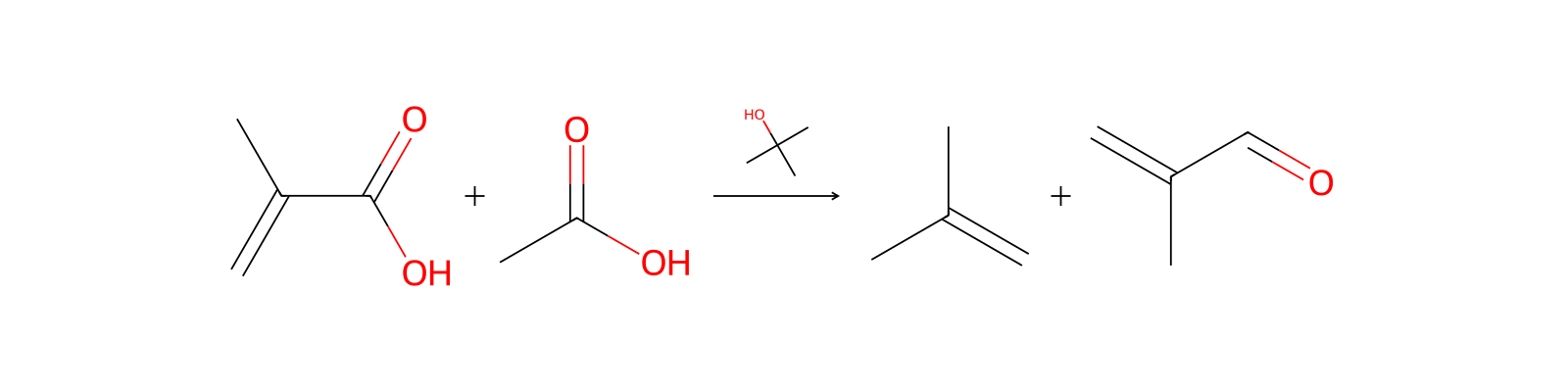
関連反応
751 件




関連ノート
読み込み中…