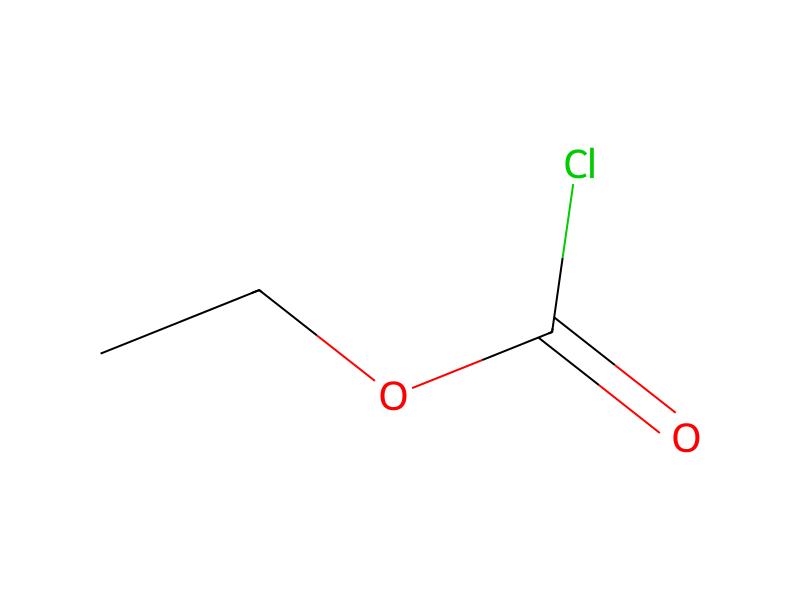
Cl.[Cl:2][C:3]1[CH:4]=[C:5]2[C:10](=[CH:11][CH:12]=1)[CH:9]=[C:8]([S:13]([N:16]1[CH2:21][CH2:20][N:19]([C:22]([C:24]3[S:25][C:26]4[CH2:27][NH:28][CH2:29][CH2:30][C:31]=4[N:32]=3)=[O:23])[CH2:18][CH2:17]1)(=[O:15])=[O:14])[CH:7]=[CH:6]2.O.[C:34](O)(=O)[CH:35]=[O:36].ClC(OCC)=O.[BH4-].[Na+]>O1CCCC1.O.C(N(CC)CC)C>[ClH:2].[Cl:2][C:3]1[CH:4]=[C:5]2[C:10](=[CH:11][CH:12]=1)[CH:9]=[C:8]([S:13]([N:16]1[CH2:17][CH2:18][N:19]([C:22]([C:24]3[S:25][C:26]4[CH2:27][NH:28][CH:29]([CH2:34][CH2:35][OH:36])[CH2:30][C:31]=4[N:32]=3)=[O:23])[CH2:20][CH2:21]1)(=[O:14])=[O:15])[CH:7]=[CH:6]2In a similar manner to Example 91 except for the use of 1-[(6-chloronaphthalen-2-yl)sulfonyl]-4-[(4,5,6,7-tetrahydrothiazolo[5,4-c]pyridin-2-yl)carbonyl]piperazine hydrochloride (132 mg) and glyoxylic acid hydrate (82 mg) as the raw materials, the reaction was conducted, whereby a crude product was obtained. The product was suspended in tetrahydrofuran (50 ml), followed by the addition of triethylamine (0.22 ml) and ethyl chloroformate (0.03 ml) under ice cooling. After stirring at room temperature for 15 minutes, sodium borohydride (50 mg) and water (10 ml) were added and the resulting mixture was stirred at room temperature for one hour. The reaction mixture was concentrated under reduced pressure. The concentrate was diluted with dichloromethane, washed with saturated saline and then dried over anhydrous sodium sulfate. The residue obtained by distilling off the solvent under reduced pressure was purified by chromatography on a silica gel column (dichloromethane˜dichloromethane:methanol=100:3). The purified product was dissolved in saturated ethanol hydrochloride (1 ml), followed by concentration under reduced pressure. The concentrate was pulverized and washed in ethyl acetate, whereby the title compound (52 mg, 33%) was obtained.