ホームMCPワークベンチSkills
ホームワークベンチ通知マイページ
llms.txt · MCPガイドプライバシーポリシー · 利用規約 · サポートv1.8.3
  1. ホーム
  2. /反応

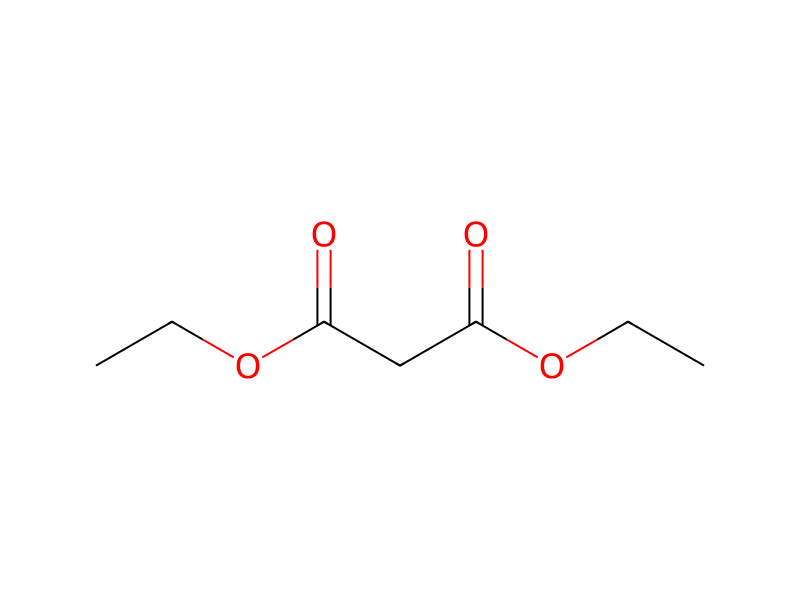
Ethylene Oxide → Diethyl 2-vinylcyclopropane-1,1-dicarboxylate

HRID 1065032
印刷

反応式

HRID 1065032 の反応式
[C:1]([O:9][CH2:10][CH3:11])(=[O:8])[CH2:2][C:3]([O:5][CH2:6][CH3:7])=[O:4].C1OC1.[OH-].[K+].[CH2:17](Cl)/[CH:18]=[CH:19]/[CH2:20]Cl>C(Cl)Cl>[CH:18]([CH:19]1[CH2:20][C:2]1([C:3]([O:5][CH2:6][CH3:7])=[O:4])[C:1]([O:9][CH2:10][CH3:11])=[O:8])=[CH2:17]
参加物実験手順後処理出典と根拠反応ノート

参加物

6

反応物 4

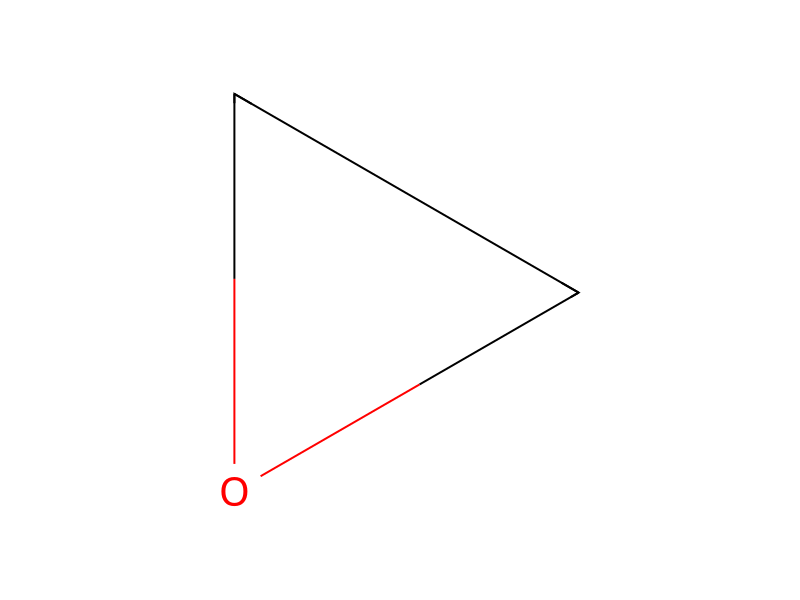
HCID 6354Ethylene OxideHCID 7761Diethyl MalonateHCID 14797Potassium HydroxideHCID 6421971,4-Dichloro-2-butene, (2E)-

生成物 1

HCID 111025Diethyl 2-vinylcyclopropane-1,1-dicarboxylate

試薬・触媒・溶媒 1

HCID 6344Dichloromethane溶媒

実験手順

To demonstrate the versatility of the process, 16 g (0.1 mol) diethyl malonate and 62.55 g of a block copolymer of ethylene oxide and polypropylene oxide having an average molecular weight of about 13,300 (Pluronic® 127) were charged to a reactor. Methylene dichloride (100 mls.) and 11.2 g solid potassium hydroxide (90%) were added and the mixture vigorously agitated while maintaining the temperature at or below 35° C. The 1,4-dichlorobutene-2 (12.4 g; 0.1 mol) was then added over a 5 minute period. About 22% conversion to diethyl 2-vinylcyclopropane-1,1-dicarboxylate was obtained after one hour of reaction. The reaction was continued to obtain essentially complete conversion of the reactants to the desired vinylcyclopropane product.

後処理

  1. additionwere charged to a reactor
  2. temperaturewhile maintaining the temperature at or below 35° C

出典と根拠

ORDレコード
ord-85e8ffaad84442b28037fccc2d2634c5
出典データセット
uspto-grants-1982_05
DOI
10.6084/m9.figshare.5104873.v1
特許番号
US04328169

反応ノート

このページの内容参加物実験手順後処理出典と根拠反応ノート