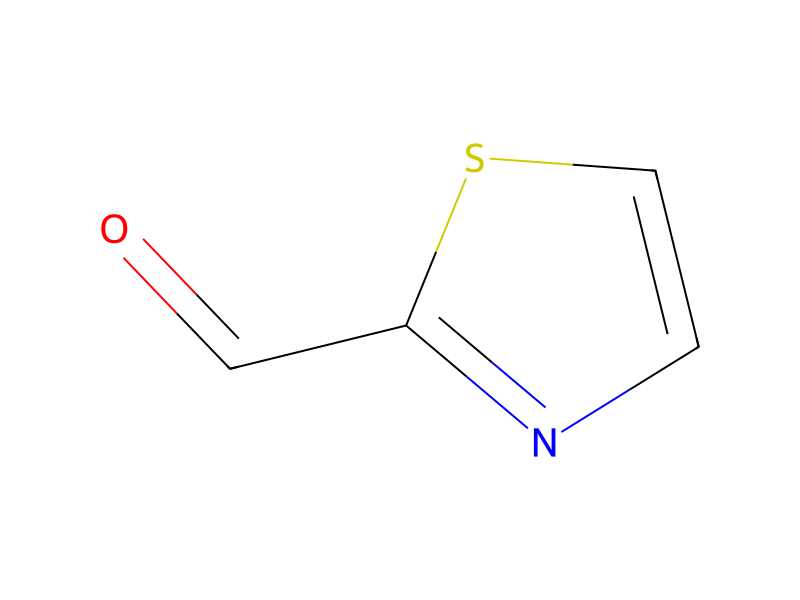
In a 500 ml round bottom blask is placed 6 g (0.053 mol) 2-thiazolecarboxaldehyde, 7.0 g (0.053 mol) aminoacetaldehyde diethylacetal, 0.1 g TsOH and 150 ml ethanol. The reaction is refluxed 2 hours, cooled and concentrated. The residue is redissolved in 200 ml ethanol and 2.3 g (0.06 mol) NaBH4 added. The reaction is refluxed 4 hours then poured onto 500 ml water. The amino derivative is extracted into CH2Cl2 (2×100 ml), dried (Na2SO4) and concentrated to give an orange oil. The entire product is dissolved in 200 ml ethanol and 5.1 g (0.053 mol) KSCN, 30 ml water and 8 ml concentrated HCl added. The reaction is refluxed for 6 hours, cooled and then poured onto 1 liter ice water. The tan solid is collected and dried.