m-Chloroperbenzoic acid → HCID 18377464、化合物
反応式

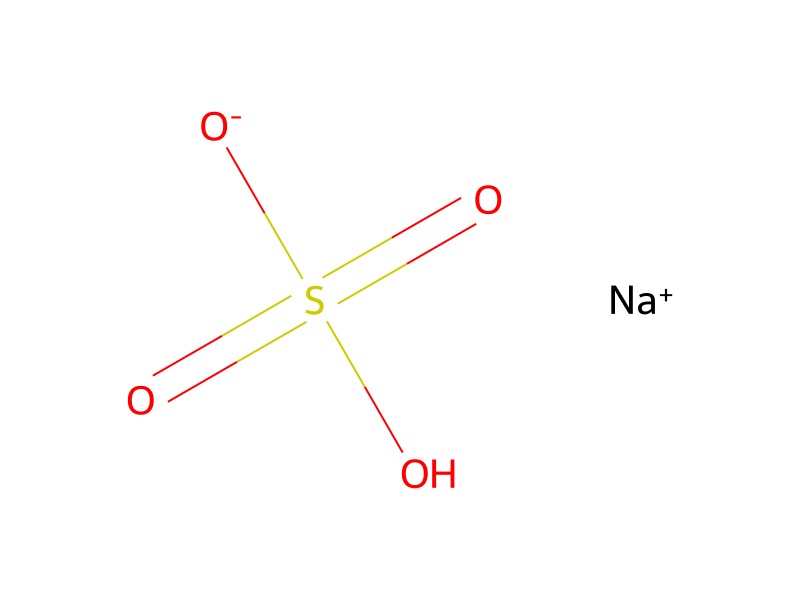
[Cl:1][C:2]1[CH:7]=[C:6]([C:8]([CH3:11])([CH3:10])[CH3:9])[CH:5]=[CH:4][N:3]=1.C1C=C(Cl)C=C(C(OO)=[O:20])C=1.S(=O)(=O)(O)[O-].[Na+]>C(Cl)(Cl)Cl>[Cl:1][C:2]1[CH:7]=[C:6]([C:8]([CH3:11])([CH3:10])[CH3:9])[CH:5]=[CH:4][N+:3]=1[O-:20]参加物
5




実験手順
2-Chloro-4-t-butylpyridine (5.0 g, 30 mmol) was dissolved in chloroform (75 mL), treated with MCPBA, ca. 75% (8.3 g, 36 mmol, 1.2 equivalents) and heated to reflux for 19 h. The mixture was stirred with sodium bisulfate solution until testing with starch-iodide paper indicated consumption of oxidant. The pH was adjusted to 7 with saturated aqueous NaHCO3 solution, the phases separated and the aqueous phase extracted once with CH2Cl2. The organic phases were pooled and washed twice with H2O, once with brine, dried (Na2SO4) and concentrated in vacuo to afford 2-chloro-4-t-butylpyridine-N-oxide (5.0 g, 90%), which crystallized to long white needles on standing.