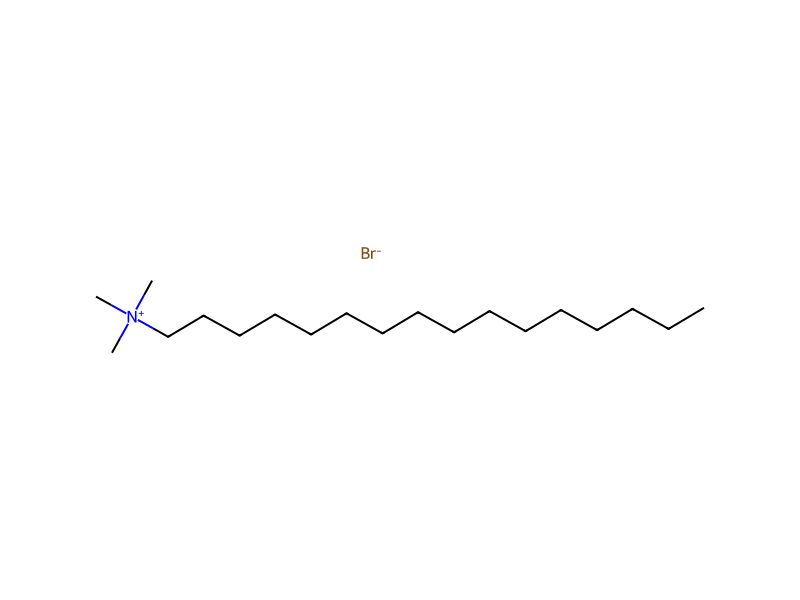
To a 100 mL of 50% aqueous NaOH solution is added 0.5 gram of trimethylcetylammonium bromide, 6.1 grams of 8-methyl-5, 10-dihydroindeno[1,2-b]indole, and then 100 mL of toluene with vigorous stirring. Methyl iodide (1.8 mL) is then added. The mixture is stirred for three hours at 25° C. and then heated at 100° C. for 30 minutes. After cooling to 25° C., two layers are formed: a pale yellow organic layer and an aqueous layer. They are separated. The precipitate in the organic layer is filtered. The aqueous layer is extracted with toluene, which is then combined with the organic layer, the mixture is then dried over Na2SO4, and filtered. The resulting solution is concentrated till a solid is formed. The solid is isolated from the solution, and combined with the previously collected solid product. The combined solid is washed with ethanol and then with hexane and dried, yielding 3.05 grams of 5,8-dimethyl-5,10-dihydroindeno[1,2-b]indole.