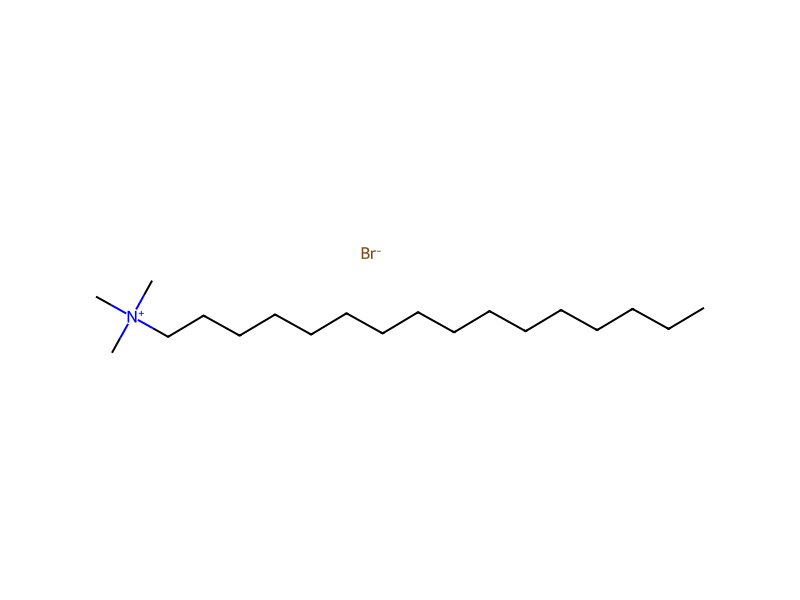
In a 0.5 l bulb were placed 100 ml 50% aqueous NaOH, 100 ml benzene, 6.1 g (28 mmol)of 5,10-dihydroindeno[1,2-b]indole, prepared in the Example 1,1.8 ml (28 mmol) of MeI and o.5 g of trimethylcetylammonium bromide. After having stirred the obtained mixture for 2 hours, the formation of an organic phase was observed; said phase was separated, washed twice with water (100 ml) and dried over Na2SO4. After removal of the solvent, the residue was recrystallized from ethanol, obtaining 5.3 g of N-methyl-5,10-dihydroindeno[1,2-b]indole(yield=84%).