Ammonia → Methyl 6-cyanonaphthalene-2-carboxylate
反応式

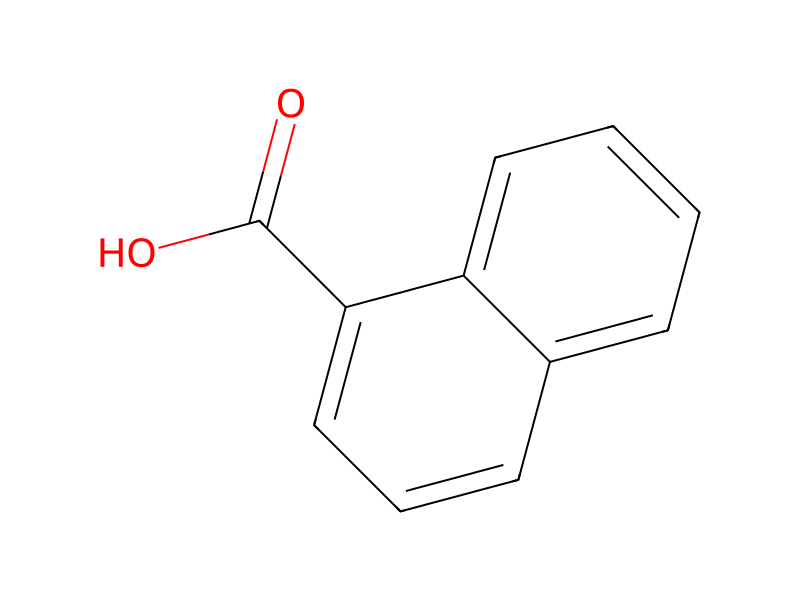
C1(C(O)=O)C2C(=CC=CC=2)C=CC=1.S(Cl)(Cl)=O.N.[CH3:19][O:20][C:21]([C:23]1[CH:32]=[CH:31][C:30]2[C:25](=[CH:26][CH:27]=[C:28]([C:33](=O)[NH2:34])[CH:29]=2)[CH:24]=1)=[O:22].ClC(Cl)(OC(=O)OC(Cl)(Cl)Cl)Cl>C(Cl)Cl.COP(OC)(OC)=O>[CH3:19][O:20][C:21]([C:23]1[CH:32]=[CH:31][C:30]2[C:25](=[CH:26][CH:27]=[C:28]([C:33]#[N:34])[CH:29]=2)[CH:24]=1)=[O:22]参加物







実験手順
Compounds of formula II, where T is a bond, B is H, each of-e and g is C—H, f is a bond, V is a substituted carbonyl group, and Z′ is NH can be prepared as follows. Hydrolysis of naphthalene-2,6 dicarboxylic acid dimethyl ester with one equivalent of a base such as KOH, followed by acidification of the product with an acid such as HCl, affords the naphthalene mono carboxylic acid. After conversion of the carboxylic acid to an acid chloride with a reagent such as thionyl chloride and subsequent reaction with ammonia in methylene chloride, the resulting 6-carbamoyl-naphthalene-2-carboxylic acid methyl ester is reacted with triphosgene in trimethylphosphate to provide 6-cyano-naphthalene-2-carboxylic acid methyl ester. Hydrolysis of the ester with LiOH in aqueous THF solution, followed by reaction with thionyl chloride, affords 6-cyano-naphthalene-2-carbonyl chloride, which can then be coupled with alcohols or amines to provide compounds of the formula XX. The amidine, hydroxyamidine, or aminoamidine groups can be obtained from the nitrile as described previously to afford compounds the formula XXI, where R19 is H, and R22 is H, alkyl, OH, or NH2, and V is an alkylaminocarbonyl, dialkylaminocarbonyl, cycloalkylaminocarbonyl, aralkylaminocarbonyl, arylaminocarbonyl, heterocyclylaminocarbonyl, alkoxycarbonyl, cycloalkoxycarbonyl, aralkoxycarbonyl, aryloxycarbonyl, heterocyclyloxycarbonyl, or heteroaralkyloxycarbonyl.
出典と根拠
- ORDレコード
- ord-d564e31234f9403e8ada749e427876b2
- 出典データセット
- uspto-grants-2007_05
- 特許番号
- US07217794B2
反応ノート
読み込み中…