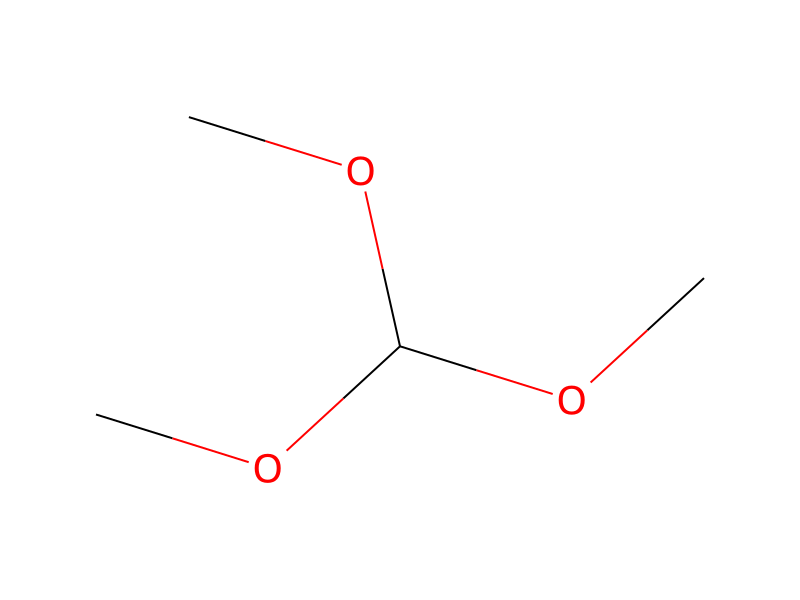
[CH2:1]([O:3][C:4](=[O:10])[CH2:5][NH:6][CH2:7][CH:8]=[CH2:9])[CH3:2].[CH3:11][C:12]([C:14]1[CH:19]=[CH:18][C:17]([N:20]=[C:21]=[O:22])=[CH:16][CH:15]=1)=O.Cl.[NH2:24][OH:25].C(OC)(OC)OC>C1COCC1.N1C=CC=CC=1>[OH:25][N:24]=[C:12]([C:14]1[CH:19]=[CH:18][C:17]([NH:20][C:21]([N:6]([CH2:7][CH:8]=[CH2:9])[CH2:5][C:4]([O:3][CH2:1][CH3:2])=[O:10])=[O:22])=[CH:16][CH:15]=1)[CH3:11]A solution of 0.02 mol N-allylglycine ethyl ester, prepared as described byS. B. Hyeon, I. Nagai, H. Tesaka, T. Kajita, and M. Furushima in European Patent Application No. 181,494, in 40 mL of THF is added dropwise to a solution of 0.02 mol of 4-isocyanatoacetophenone, prepared as described byE. E. Kilbourn, D. L. Peardon, and J. E. Ware in U.S. Pat. No. 3,931,203, and 5 mL of pyridine in 40 mL of THF, and the reaction mixture is stirred for 3 hours. The solvent is then removed by rotary evaporator. The residueis dispersed in 50 mL of CH3OH, and 0.022 mol of hydroxylamine hydrochloride and 0.06 mol of trimethyl orthoformate are added. The reaction mixture is heated to reflux for 1 hour. The solvent is removed byrotary evaporator to give the product, N-[4-(1-hydroxyiminoethyl)phenyl]-N'-allyl-N'-ethoxycarbonylmethylurea.