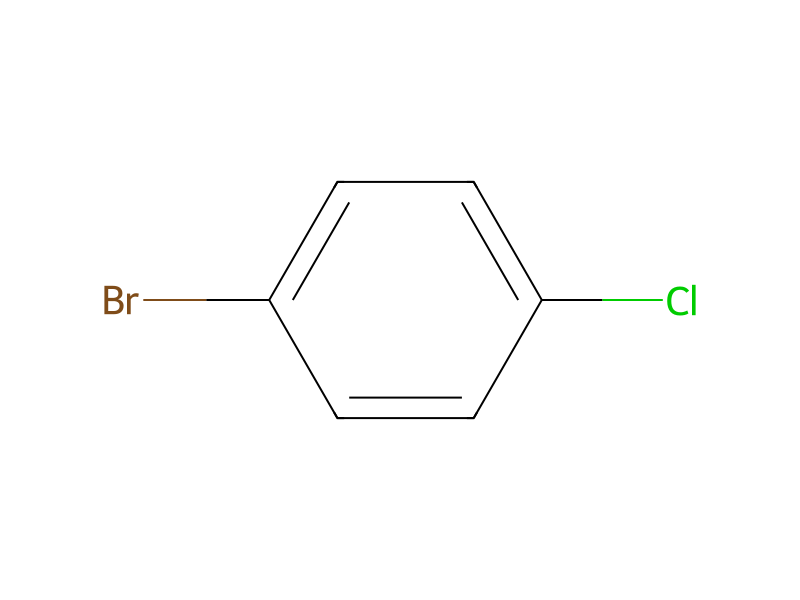
[Cl:1][C:2]1[CH:7]=[CH:6][C:5]([S:8]([C:10]2[CH:15]=[CH:14][C:13]([Cl:16])=[CH:12][CH:11]=2)=O)=[CH:4][CH:3]=1.C[Si](C)(C)Cl.[Br:22][C:23]1[CH:28]=[CH:27][C:26]([Cl:29])=[CH:25][CH:24]=1.Br>O1CCCC1>[Br-:22].[Cl:1][C:2]1[CH:7]=[CH:6][C:5]([S+:8]([C:23]2[CH:28]=[CH:27][C:26]([Cl:29])=[CH:25][CH:24]=2)[C:10]2[CH:15]=[CH:14][C:13]([Cl:16])=[CH:12][CH:11]=2)=[CH:4][CH:3]=1Under a nitrogen atmosphere, 16.3 g (0.06 mol) of di(4-chlorophenyl)sulfoxide was dissolved in 250 ml dichloremethane. Into the resulting solution kept at 0 to 5° C., 10.8 g (0.10 mol) of trimethylchlorosilane was added dropwise; the mixture was stirred at 0° C. for 30 min. Thereafter, 200 g of a tetrahydrofuran (THF) solution of the Grignard reagent prepared by the usual process with 4-bromochlorobenzene (0.18 mol) was added dropwise over the period of 30 min into the reaction vessel cooled with 0 to 10° C. ice water. After agitated for one hr at 0° C., followed by another hr agitation at room temperature, the reaction solution was slowly poured into an aqueous solution containing 250 ml of an aqueous 12% hydrogen bromide solution and ice, then extracted with 250 ml dichloromethane. The extract was dried with sodium sulfate.