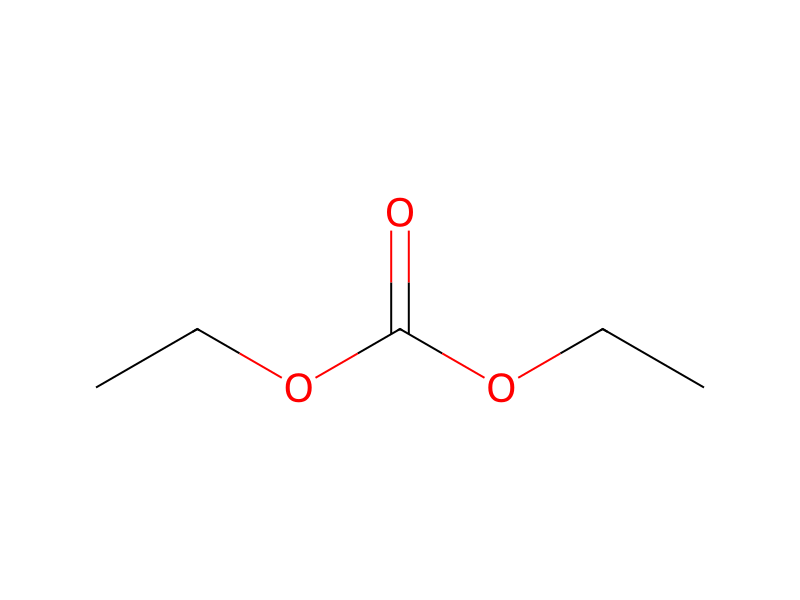
To a suspension of 25 g of sodium hydride (60% oil dispersion) in 100 mL of tetrahydrofuran was added 37 g of diethyl carbonate. Under reflux, to the mixture was added dropwise a solution of 52.0 g of 1-(4-chlorophenyl)-2-pyrrolidinone in 150 mL of tetrahydrofuran over about 1.5 hours. After refluxing for 4.5 hours, the reaction mixture was cooled, and carefully poured into ice-water. The mixture was made to weakly alkaline with diluted hydrochloric acid and extracted with 300 mL of ethyl acetate. The organic layer was washed sequentially with water, aqueous sodium bicarbonate solution and water, dried over anhydrous magnesium sulfate and concentrated to give an oil. To the residue was added 200 mL of n-hexane, and the precipitated crystals were collected by filtration. The crystals were washed with n-hexane and dried in vacuo to give 60 g of the title compound.