Formaldehyde → 6-chloro-9-(2-cyclopentylethyl)-2,3, 4,9-tetrahydro-2-methyl-1H-pyrido[3,4-b]indole
反応式

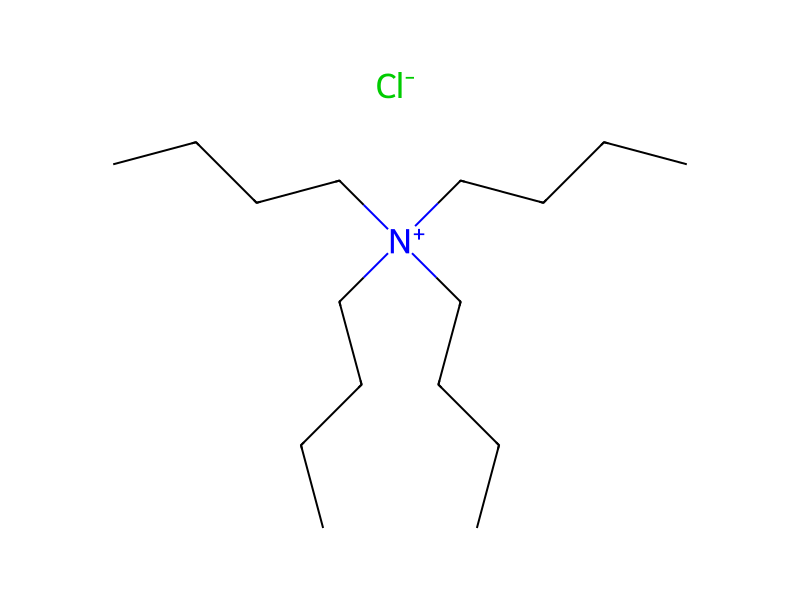
Cl.ClC1C=CC(NN)=CC=1.BrCCC1CCCC1.[Cl:19][C:20]1[CH:25]=[CH:24][C:23]([N:26]([CH2:28][CH2:29][CH:30]2[CH2:34][CH2:33][CH2:32][CH2:31]2)N)=[CH:22][CH:21]=1.C(OC(OCC)CCCNC)C.ClC1C=C2[C:54](=CC=1)[N:53]([CH2:57][CH2:58][CH:59]1[CH2:63][CH2:62]CC1)C=C2CCNC.C=O.C(O)(C(F)(F)F)=O>[Cl-].C([N+](CCCC)(CCCC)CCCC)CCC.C(#N)C>[Cl:19][C:20]1[CH:25]=[C:24]2[C:23](=[CH:22][CH:21]=1)[N:26]([CH2:28][CH2:29][CH:30]1[CH2:34][CH2:33][CH2:32][CH2:31]1)[C:63]1[CH2:62][N:53]([CH3:54])[CH2:57][CH2:58][C:59]2=1