Nitric Acid → Carbon Dioxide
反応式

[U].[N+:2]([O-:5])([OH:4])=[O:3].[C:6](=O)([OH:8])[O-:7].[NH4+:10].[OH-].[Ca+2:12].[OH-].C(=O)([O-])[O-].[Ca+2]>O>[C:6](=[O:8])=[O:7].[N+:2]([O-:5])([O-:4])=[O:3].[Ca+2:12].[N+:2]([O-:5])([O-:4])=[O:3].[N+:2]([O-:5])([O-:4])=[O:3].[NH4+:10]参加物
9







実験手順
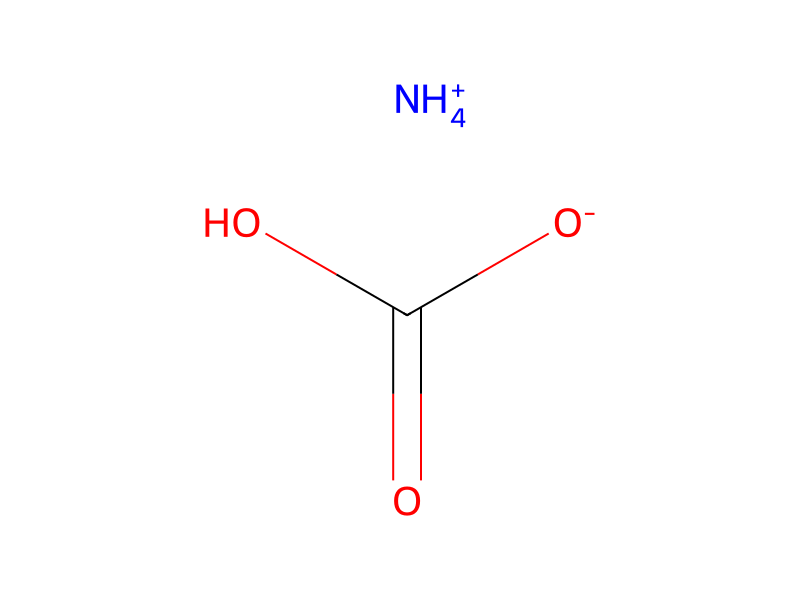
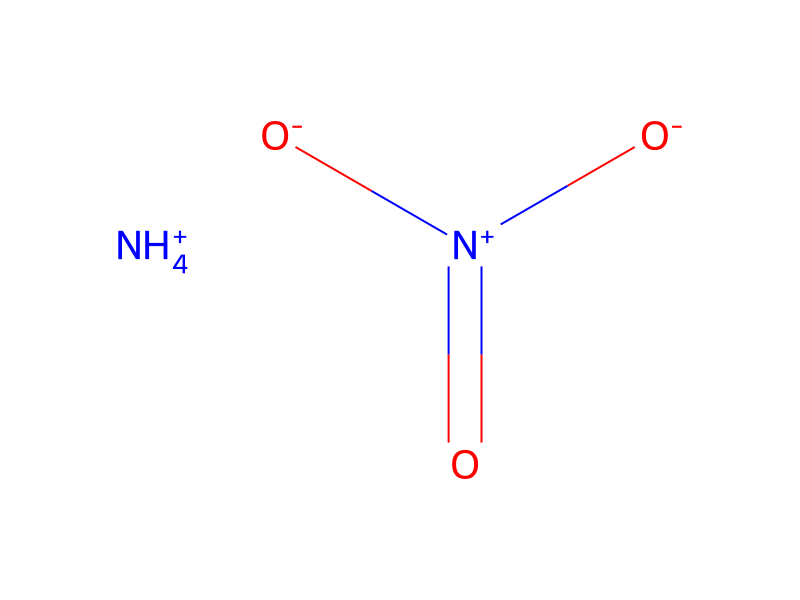
The resultant water solution containing trace quantities of uranium among other possible components, with a basic pH higher than about 8, is then acidified to the extent of lowering the pH to less than about 6, and preferably to within a range of about 5 to about 4, by the addition thereto of a mineral acid such as nitric acid. This acidification decomposes any of the water-contained ammonium bicarbonate (NH4HCO3), calcium hydroxide and calcium carbonate (CaCO3) to form carbon dioxide, calcium nitrate (Ca(NO3)2) and ammonium nitrate (NH4NO3), in addition to converting uranium compounds present to uranyl nitrate (UO2 (NO3)2).
後処理
- additionpreferably to within a range of about 5 to about 4, by the addition
出典と根拠
- ORDレコード
- ord-3fe9d88544e44321a7784807e5749b33
- 出典データセット
- uspto-grants-1983_09
- 特許番号
- US04402918
反応ノート
読み込み中…