反応式

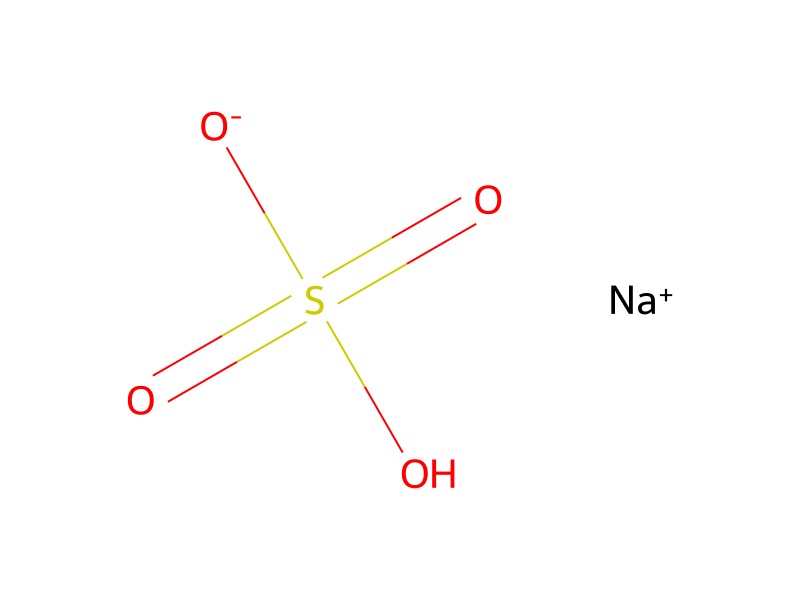
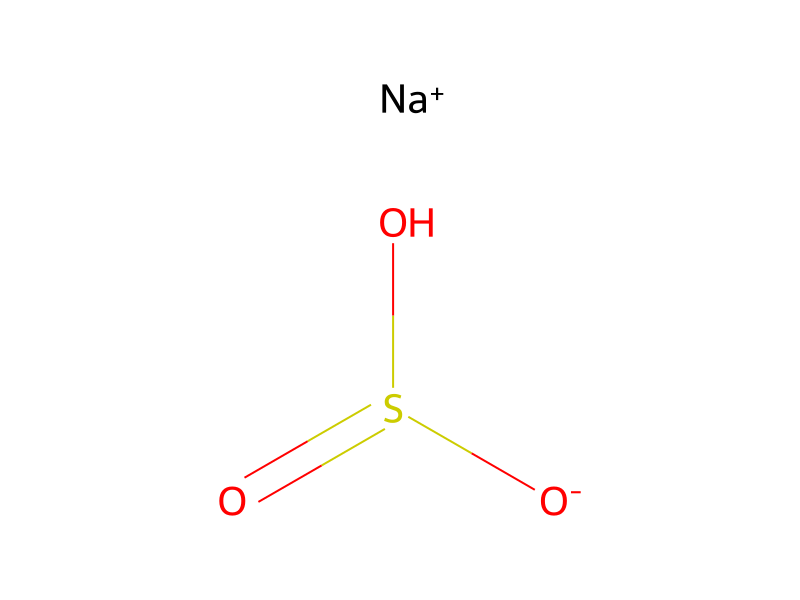
[CH3:1][C:2]([C:4]([NH:6]CCC[N+](C)(C)C)=[O:5])=C.[Cl-].[C:15]([OH:19])(=O)[CH:16]=C.[C:20]([O-:25])(=O)[C:21](C)=C.[C:26](N)(=O)C=C.S(OOS([O-])(=O)=O)([O-])(=O)=O.[Na+].[Na+].S(=O)(=O)(O)[O-].[Na+].S(=O)(O)[O-].[Na+]>O>[C:4]([NH2:6])(=[O:5])[CH:2]=[CH2:1].[CH3:20][C:15]([CH3:16])=[O:19].[CH3:26][C:20]([CH3:21])=[O:25]参加物






反応条件
- 温度
- 55 °C
実験手順
The instant polymers may be prepared by conventional solution polymerization techniques, as indicated below and in the Examples. Thus, to prepare the instant polymers the appropriate weights for the desired mol %'s of DMDAAC/APTAC/MAPTAC, acrylic acid or other anionic monomers and MBA or other branching agent are charged to a glass reactor equipped with a stirring means. The desired amount of alkyl acrylate, methacrylate or acrylamide is then added to the reactor with vigorous stirring to give the desired total monomer concentration, which is generally about 10-25% by weight. The monomer mixture may then be adjusted to a pH of about 3.0 to about 6.5 with dilute NaOH, heated to about 55° C., and purged with nitrogen for at least thirty minutes. Polymerization is then initiated by adding about 5×10⁻² mol % of sodium persulfate and about 2.4×10⁻³ mol % of sodium bisulfate. After the peak exotherm is reached, additional dilution water and sodium bisulfite are added to scavenge any residual monomer and to dilute the final product to 4-8% polymer solids.
後処理
- customThe instant polymers may be prepared by conventional solution polymerization techniques
- additionare charged to a glass reactor
- customequipped with a stirring means
- customto give the desired
- concentrationtotal monomer concentration, which
- custompurged with nitrogen for at least thirty minutes
- customPolymerization
出典と根拠
- ORDレコード
- ord-600878d3b90b4fc4ad380f4cb437adab
- 出典データセット
- uspto-grants-2004_02
- 特許番号
- US06691715B2
関連ノート
読み込み中…