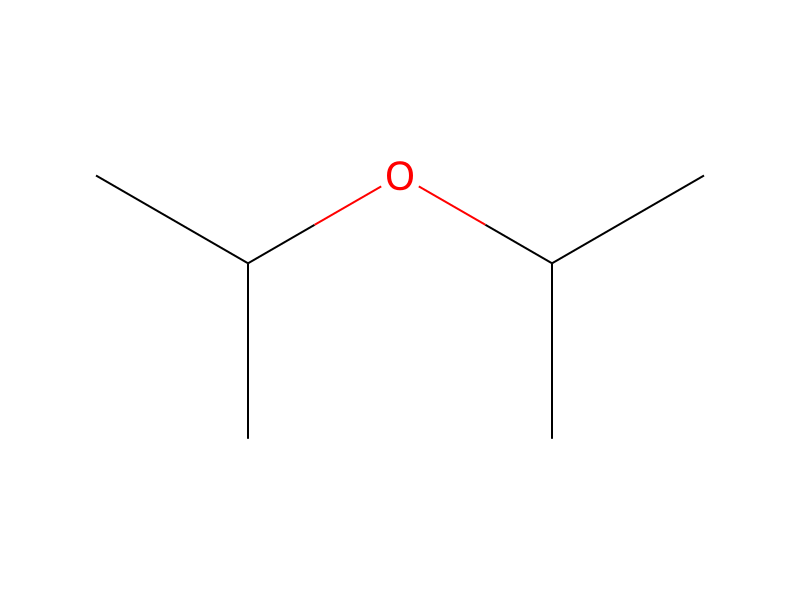
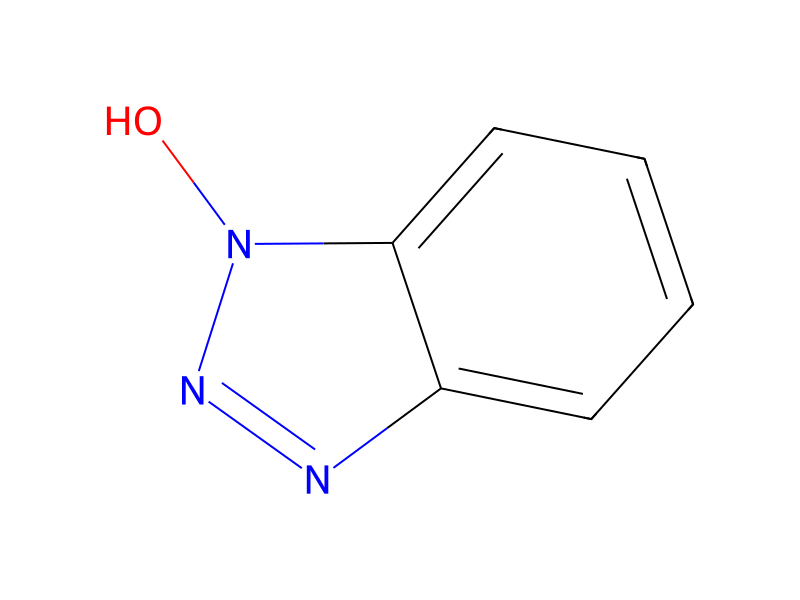
C(NCC[C:7]1[C:15]2[C:10](=[CH:11][C:12]([F:18])=[C:13]([O:16][CH3:17])[CH:14]=2)[NH:9][C:8]=1[C:19]([OH:21])=O)(=O)C.[Cl-].[NH4+].O[N:25]1[C:29]2[CH:30]=CC=CC=2N=N1.Cl.C([N:37]=C=NCCCN(C)C)C.C(=O)([O-])O.[Na+].[CH:51]([O:54]C(C)C)(C)[CH3:52]>C(OCC)(=O)C.C(N(CC)CC)C.C(#N)C>[C:51]([NH:25][CH2:29][CH2:30][N:9]1[C:10]2[C:15](=[CH:14][C:13]([O:16][CH3:17])=[C:12]([F:18])[CH:11]=2)[CH:7]=[C:8]1[C:19]([NH2:37])=[O:21])(=[O:54])[CH3:52]To a mixture of 3-(2-acetamidoethyl)-6-fluoro-5-methoxy-1H-indole-2-carboxylic acid (200 mg), ammonium chloride (110 mg), 1-hydroxybenzotriazole (140 mg), and acetonitrile (4.00 mL) were added triethylamine (0.300 mL) and 1-ethyl-3-(3-dimethylaminopropyl)carbodiimide hydrochloride (200 mg), followed by stirring at room temperature overnight. To the mixture was added an aqueous sodium hydrogen carbonate solution, followed by extraction with chloroform, and the organic layer was concentrated under reduced pressure. The obtained residue was purified by silica gel column chromatography (chloroform:methanol=96:4 to 9:1). To the obtained crude product was added ethyl acetate, followed by heating. Then, diisopropylether was added thereto, followed by stirring at room temperature. The resulting solid was collected by filtration and dried under reduced pressure to obtain 3-(2-acetamidoethyl-6-fluoro-5-methoxy-1H-indole-2-carboxamide (153 mg) as a white solid.