反応式

[C:1]([O:4][CH2:5][CH3:6])(=[O:3])[CH3:2].[CH3:7][C:8]([CH3:10])=[O:9].[CH2:11]([OH:13])[CH3:12].[CH3:14][OH:15].[CH:16]1[CH:21]=[CH:20][CH:19]=[CH:18][CH:17]=1>C(Cl)(Cl)Cl.O.CCCCCC.C(Cl)(Cl)(Cl)Cl>[CH:16]1[CH:21]=[C:12]2[C:11]([C:1]([OH:3])([OH:4])[C:2](=[O:9])[C:19]2=[CH:18][CH:17]=1)=[O:13].[CH:6]1[C:5]2[C:14](=[O:15])[C:21]3[C:16](=[CH:17][CH:18]=[CH:19][CH:20]=3)[CH2:12][C:11]=2[CH:10]=[CH:8][CH:7]=1参加物
11





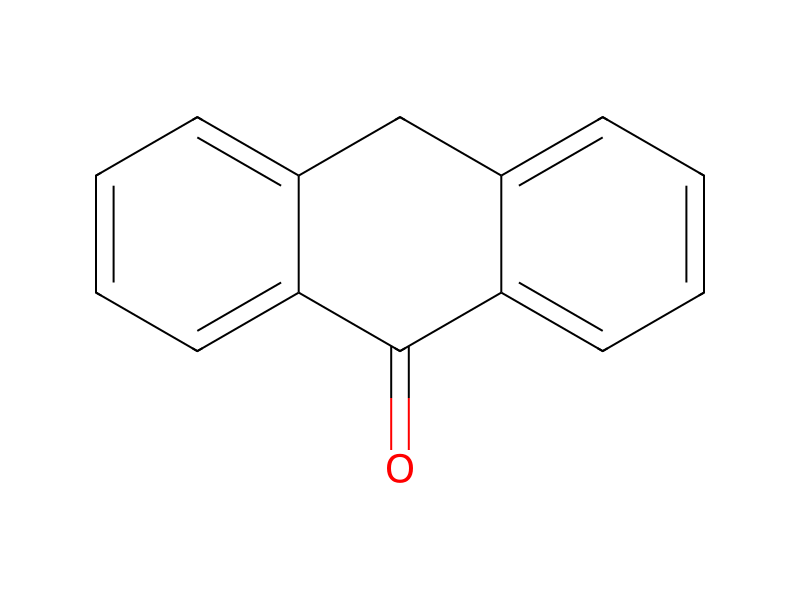





実験手順
The individual BBM-1675 components show solubility and color reactions similar to each other. For example, they are soluble in chloroform, ethyl acetate, acetone, ethanol and methanol, slightly soluble in benzene and water, and insoluble in n-hexane and carbon tetrachloride. They give positive reactions with ferric chloride, Ehrlich and Tollen's reagents but negative responses in Sakaguchi, ninhydrin and anthrone tests.
出典と根拠
- ORDレコード
- ord-bc38476a184546b3acfe51c81744922c
- 出典データセット
- uspto-grants-1987_11
- 特許番号
- US04708872
関連ノート
読み込み中…