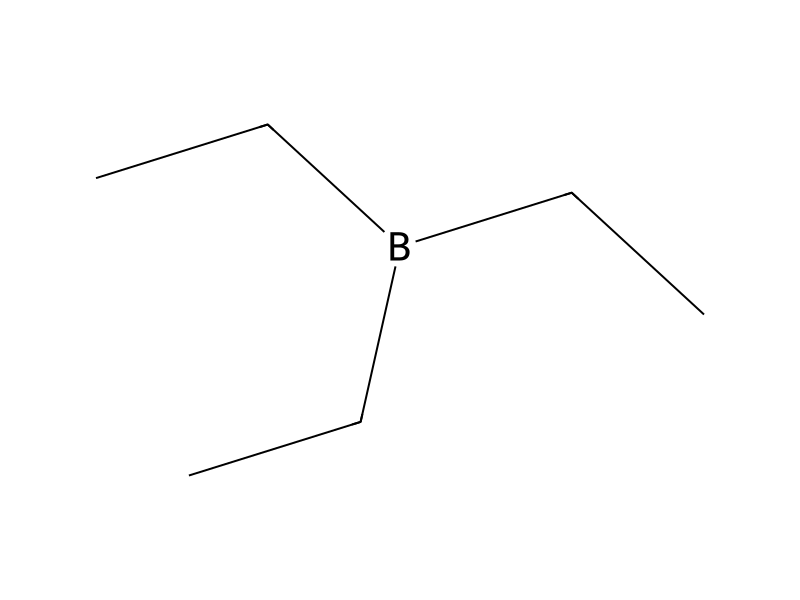
To a solution of tert.-butyl 4-(2,2-dimethyl-5-oxo-1,3-dioxolan-4-yl)-3-oxobutanoate (10.88 g, 40.0 mmol) in THF (20 ml), a mixture of THF (96.0 ml) and triethylborane 1M in THF) (56.0 ml) was was added at -78° C. over 45 minutes, followed by stirring at -78° C. for 50 minutes. Thereafter, to the resulting mixture, sodium borohydride (1.51 g, 40.0 mmol) was added in one portion and stirred at -78° C. for 4 hours. After adding 1N hydrochloric acid at 0° C., the mixture was extracted with ethyl acetate and washed with saturated saline. The organic layers were combined, dried over sodium sulfate and concentrated under reduced pressure. The residue was subjected to silica gel column chromatography (hexane:ethyl acetate=2:1) to give pure tert.-butyl 4-(2,2-dimethyl-5-oxo-1,3-dioxolan-4-yl)-3-hydroxybutanoate (6.08 g, 22.16 mmol). Yield, 55%.