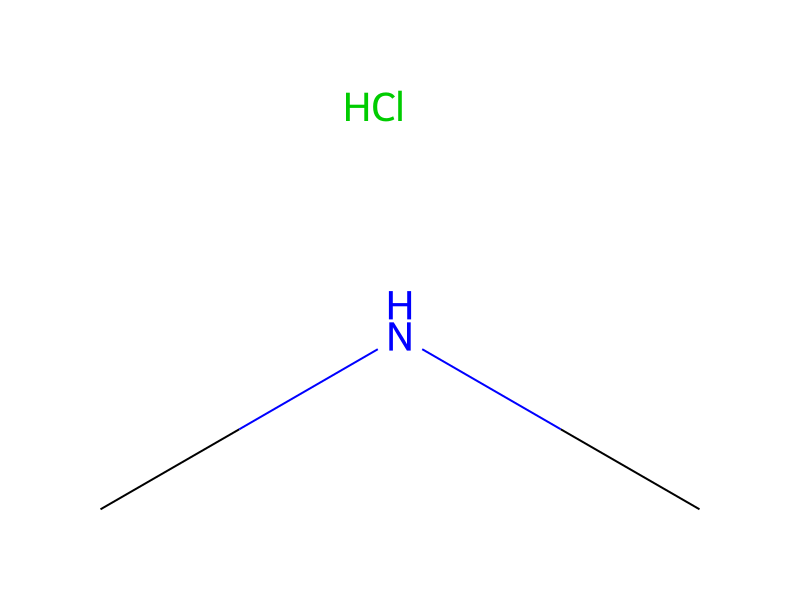
A mixture of t-butyl 7α-chloro-3-acetoxymethyl-3-cephem-4-carboxylate-1,1-dioxide (1.9 g), methylene chloride (3 ml), dimethylamine hydrochloride (0.817 g), t-butanol (80 ml) and formaldehyde solution (I.10 ml, 37% w/v in water) was heated to reflux at 90° C. for 3 hours. Solvent was removed under reduced pressure and the residue was dissolved in methylene chloride, washed with water, brine, dried and concentrated to give 1.6 g (81.6%) of t-butyl 7α-chloro-2-methylene-3-acetoxymethyl-3-cephem-4-carboxylate-1,1-dioxide, m.p. 148°-149° C. This product without further purification was used in the next step.