反応式

C(OC)(=O)C1C=CC(C(OC)=O)=CC=1.C(OC)(=O)C1C=CC=C(C(OC)=O)C=1.[OH:29][C:30]1[CH:35]=[CH:34][C:33]([C:36]([C:39]2[CH:44]=[CH:43][C:42]([OH:45])=[CH:41][CH:40]=2)([CH3:38])[CH3:37])=[CH:32][CH:31]=1.C1OC1>C([O-])(=O)C.[Mn+2].C([O-])(=O)C.C(O)CO>[OH:29][C:30]1[CH:31]=[CH:32][C:33]([C:36]([C:39]2[CH:40]=[CH:41][C:42]([OH:45])=[CH:43][CH:44]=2)([CH3:38])[CH3:37])=[CH:34][CH:35]=1参加物



実験手順
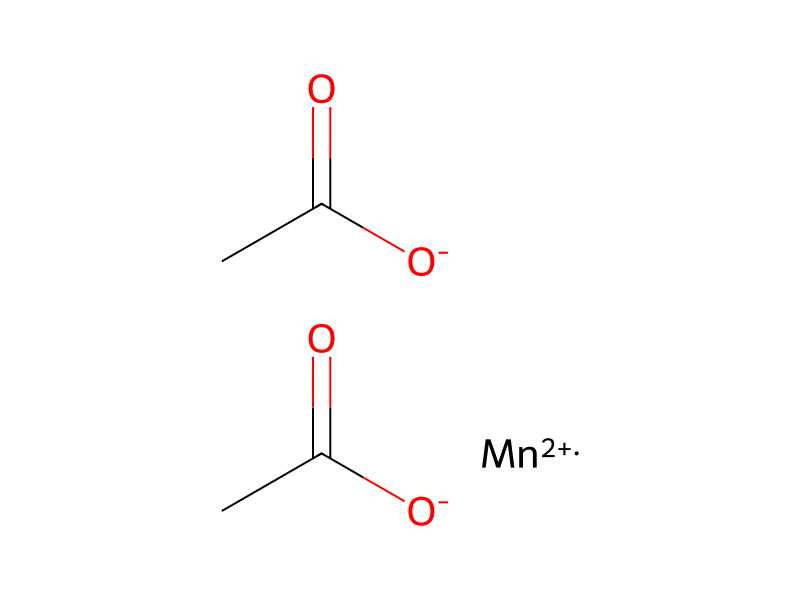
Dimethyl terephthalate, dimethyl isophthalate, ethylene glycol, bisphenol A-ethylene oxide (2 mols) adduct, and manganese acetate were deposit into a reactor installed with a heater, a stirrer, a rectification column, a pressure-reducing device and a thermometer, as in Table 17, and gradually heated in a nitrogen atmosphere up to a temperature falling between 160 and 220° C. over a period of about 4 hours to effect interesterification, while removing ethanol through distillation. Then, this was subjected to polycondensation under a reduced pressure of from 0.5 to 5.0 mmHg at 260° C. for about 2 hours. Thus were obtained bisphenol A-added polyester resins b-1 to b-4 as in Table 17. Each of the thus-obtained, bisphenol A-added polyester resins was dissolved in a mixed solvent of cyclohexanone/Solvesso 150 (50/50, by weight) to prepare a resin solution having a nonvolatile content of 40%. The molecular weight of each bisphenol A-added polyester resin being produced was controlled by varying the polycondensation time. The number-average molecular weight of each resin was measured in terms of polystyrene, through gel permeation chromatography.
後処理
- temperaturea rectification column, a pressure-reducing device and a thermometer, as in Table 17, and gradually heated in a nitrogen atmosphere up to a temperature
- customwhile removing ethanol
- distillationthrough distillation
- waitThen, this was subjected to polycondensation under a reduced pressure of from 0.5 to 5.0 mmHg at 260° C. for about 2 hours
出典と根拠
- ORDレコード
- ord-19d1dfdc5b9b422e8580f27315188c89
- 出典データセット
- uspto-grants-2000_10
- 特許番号
- US06136455
関連ノート
読み込み中…