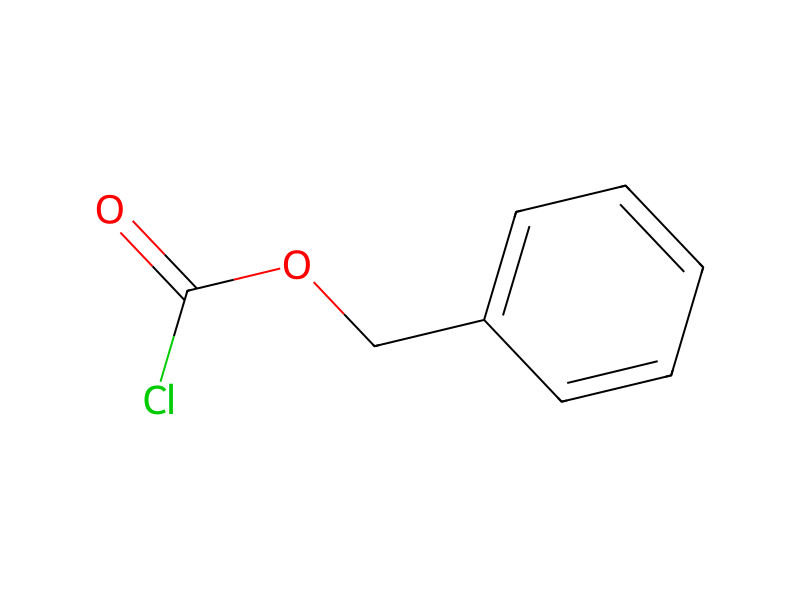
C([N:8]1[CH2:12][CH:11]2[CH2:13][O:14][C:15]([CH3:19])([CH3:18])[O:16][CH2:17][CH:10]2[O:9]1)C1C=CC=CC=1.C(N(CC)CC)C.Cl[C:28]([O:30][CH2:31][C:32]1[CH:37]=[CH:36][CH:35]=[CH:34][CH:33]=1)=[O:29].C(Cl)(Cl)Cl>C(O)C.CO.[Pd]>[OH:9][CH:10]1[CH2:17][O:16][C:15]([CH3:18])([CH3:19])[O:14][CH2:13][CH:11]1[CH2:12][NH:8][C:28](=[O:29])[O:30][CH2:31][C:32]1[CH:37]=[CH:36][CH:35]=[CH:34][CH:33]=1To a solution of (3aR/S,8aR/S)-2-benzyl-6,6-dimethylhexahydro-[1,3]dioxepino[5,6-d]isoxazole (10.4 g, 39.5 mmol) in ethanol (150 mL) was added 10% Pd/C (2.5 g) and the mixture was stirred under a hydrogen atmosphere. After 2 days the solids and solvent were removed. A solution of the residue in methanol (100 mL) and triethylamine (11.01 ml, 79 mmol) was cooled in an ice bath and benzyl chloroformate (7.30 ml, 51.3 mmol) was added, then the solution was allowed to warm to RT. Then chloroform was added and the solution was washed with water and processed normally. The crude residue was triturated with petroleum ether to give benzyl ((5R/S,6R/S)-6-hydroxy-2,2-dimethyl-1,3-dioxepan-5-yl)methylcarbamate (7.73 g, 24.99 mmol, 63.3% yield) as a white solid. 13C NMR (CDCl3) δ 157.3, 136.9, 128.9, 128.5, 128.5, 102.1, 69.1, 67.2, 64.6, 59.8, 46.4, 40.0, 25.2, 25.0.