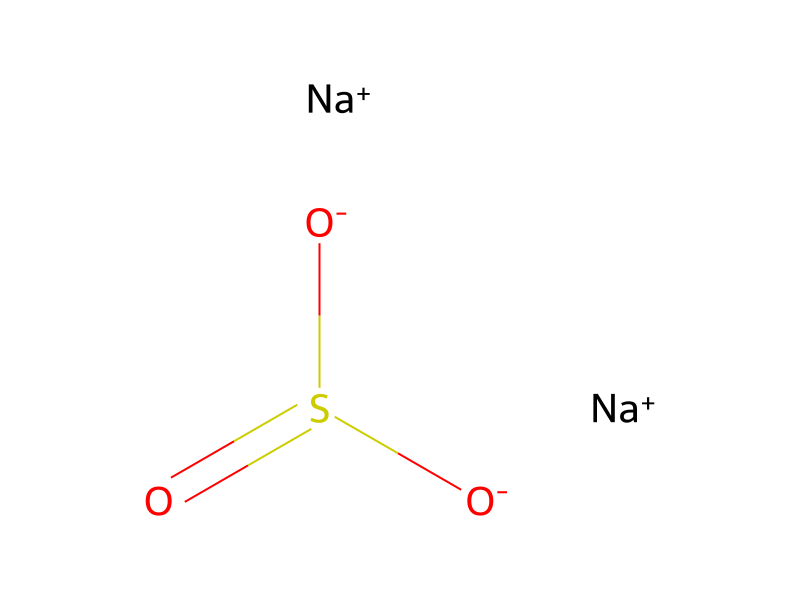
A mixture of (Z)-2-(3-bromo-α-t-butoxyiminobenzyl)-3-hydroxypyridine (0.49 g), 70% m-chloroperbenzoic acid (0.70 g) and tetrahydrofuran (30 mL) was stirred overnight at room temperature. To the reaction mixture was added an aqueous solution of sodium sulfite. The reaction mixture was stirred for 30 minutes, and extracted with ethyl acetate. The extract was washed with water and a saturated aqueous saline solution, successively, and dried (sodium sulfate) and then concentrated. The concentrate was crystallized from isopropyl ether, and recrystallized from ethanol-water to afford (Z)-2-(3-bromo-α-t-butoxyiminobenzyl)-3-hydroxypyridine 1-oxide (0.41 g) (compound 3). In substantially the same manner as above, compounds 4, 7, 8, 11, 12 and 15 were produced.