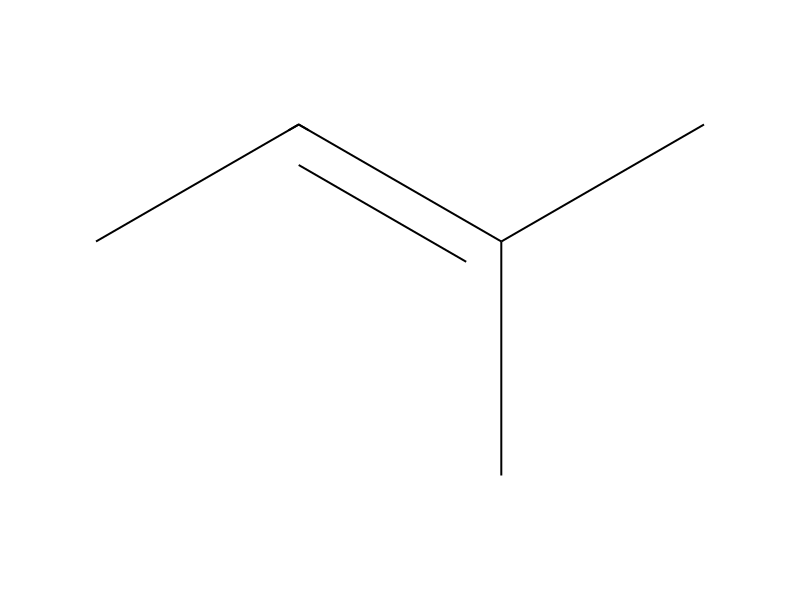
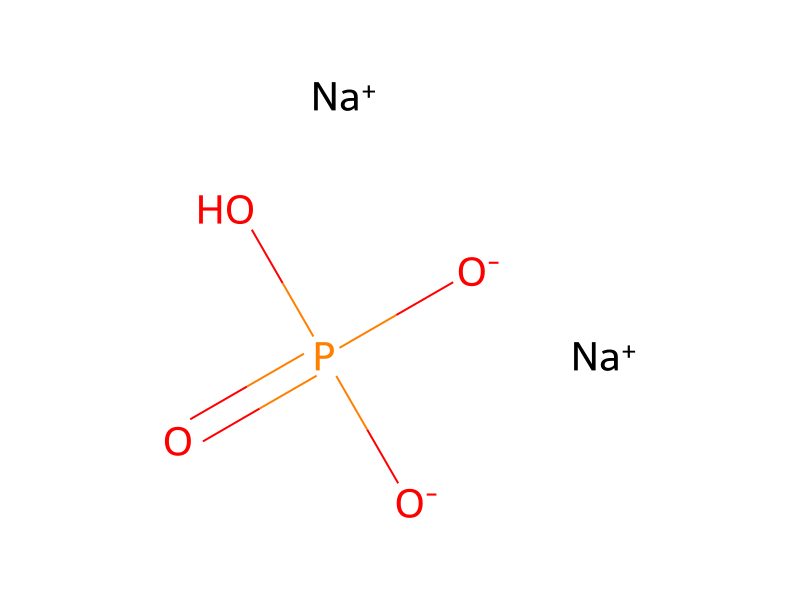
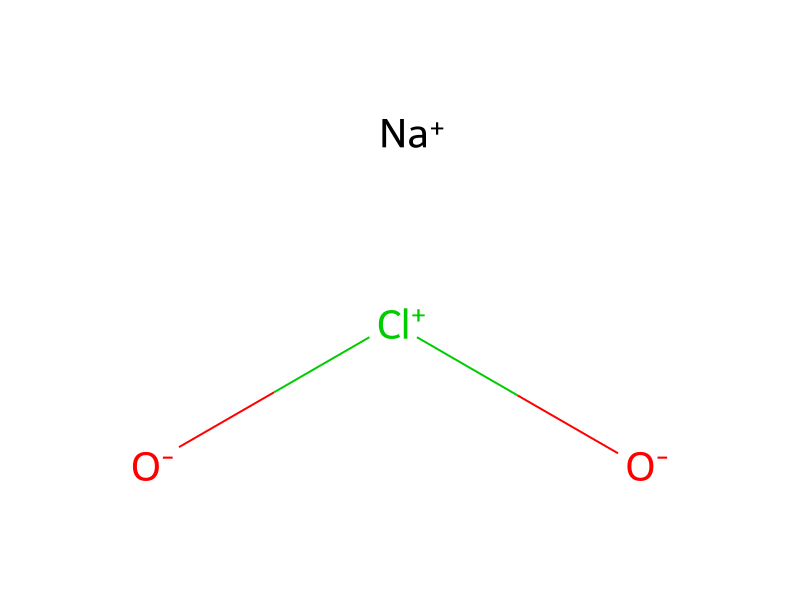
21.5 g (93.8 mmol) of 2-(tert-butoxycarbonyloxy)-benzaldehyde and 80 ml (750 mmol) of 2-methyl-2-butene are diluted in 250 ml of tert-butanol. A solution containing 28.1 g (234 mmol) of sodium hydrogenphosphate and 29.7 g (328 mmol) of sodium chlorite in 75 ml of water is added dropwise to the reaction medium, which is stirred at ambient temperature for 2 hours. The mixture is evaporated under reduced pressure and the residue is dissolved in dichloromethane. The organic phase is washed with water, dried over magnesium sulphate, filtered and concentrated. The white solid obtained is precipitated from heptane at 0° C. The precipitate is filtered off and then rinsed with heptane and dried. 15.8 g of 2-(tert-butoxycarbonyloxy)benzoic acid are obtained in the form of a white powder with a yield of 70%.