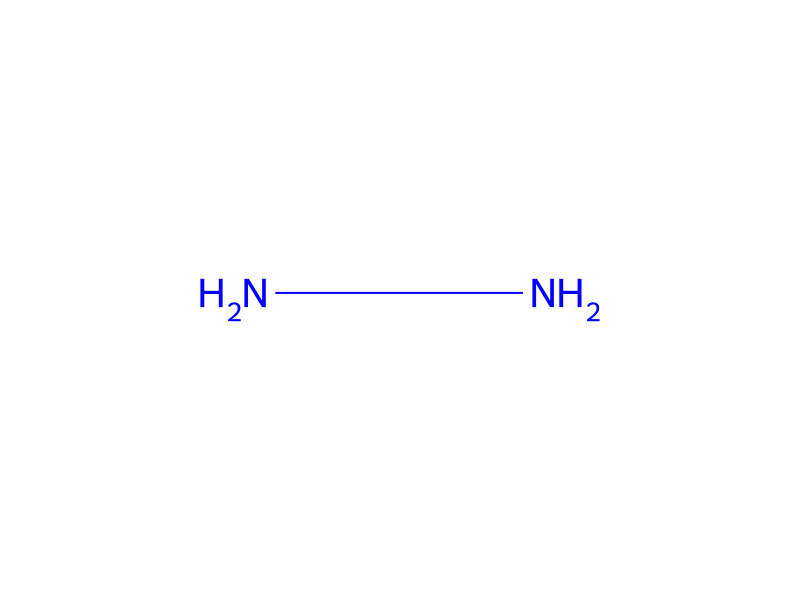
To a solution of 5-chloro-2-fluoro-3-(4,4,5,5-tetramethyl-1,3-dioxolan-2-yl)pyridine, 28, (14.5 g, 55.8 mmol) and N,N-diisopropylethylamine (19.5 mL, 112.0 mmol) in isopropanol (200 mL) was added hydrazine (12.0 mL, 382.3 mmol). The mixture was heated to 65° C. overnight. LC-MS indicates desired hydrazine compound formed and the mixture was concentrated in vacuo. The crude residue was taken up in 300 mL of water and 120 mL of EtOH followed by 50 mL of 6N HCl. The resulting mixture was warmed to 45° C. overnight. Once LC-MS indicated completion of the reaction, the mixture was neutralized with 6N NaOH and the pH adjusted to 8. The mixture was concentrated in vacuo to remove volatile EtOH and extracted with EtOAc (3×). The combined organic layer was dried over Na2SO4, filtered through a plug of silica and concentrated in vacuo. Trituration with 10% aqueous acetonitrile provided the desired product (6.15 g, 72% yield, 90% purity by NMR): 1H NMR (300.0 MHz, CDCl3) δ 11.43 (s, 1H), 8.55 (d, J=2.2 Hz, 1H), 8.10 (d, J=2.2 Hz, 1H) and 8.08 (s, 1H) ppm; LC/MS Gradient 10-90%, 0.1% formic 5 min, C18/ACN, RT=2.05 min (M+H) 153.91.