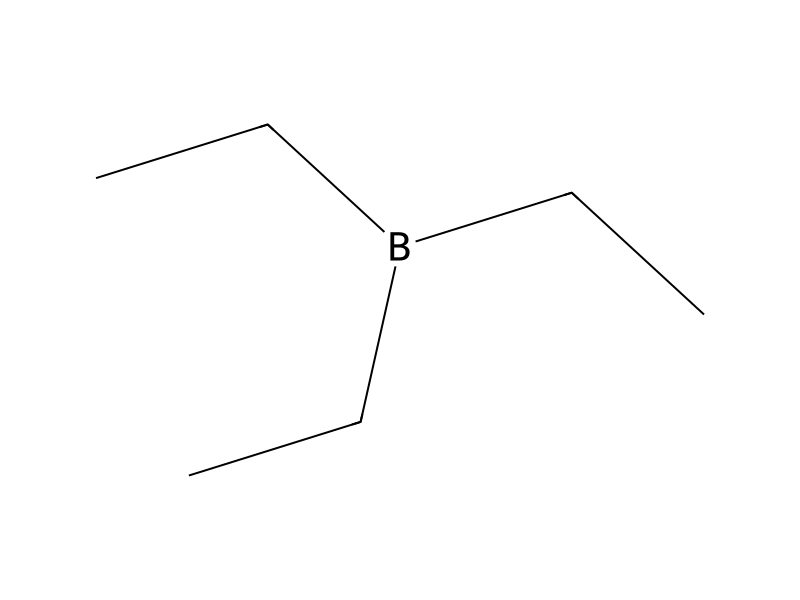
A 100-mL single-neck round-bottomed flask equipped with a magnetic stirrer and a reflux condenser was charged with 2-chloropyrimidin-4-amine (2.60 g, 20.0 mmol), triethylborane (20.0 mL, 1.0 M in THF, 20.0 mmol), Pd(dppf)Cl2 (816 mg, 1.0 mmol), K3PO4 (13.0 g, 40.0 mmol), water (2 mL), and tetrahydrofuran (50 mL). After three cycles of vacuum/argon flush, the mixture was heated at reflux for 14 h. It was then cooled to room temperature and filtered. The filtrate was concentrated under reduced pressure and the resulting residue was purified by silica-gel column chromatography eluting with 40:1 dichloromethane/methanol to afford 229a as yellow solid (600 mg, 24%). MS-ESI: [M+H]+ 124.3