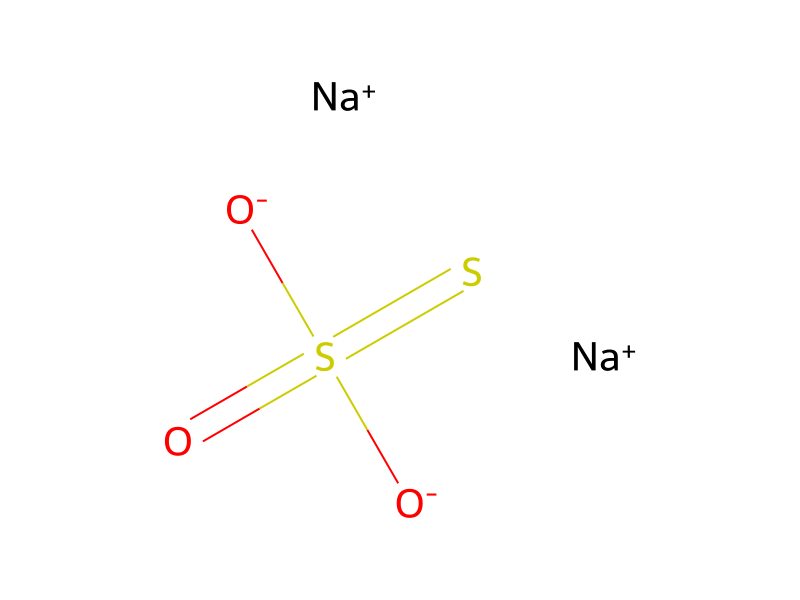
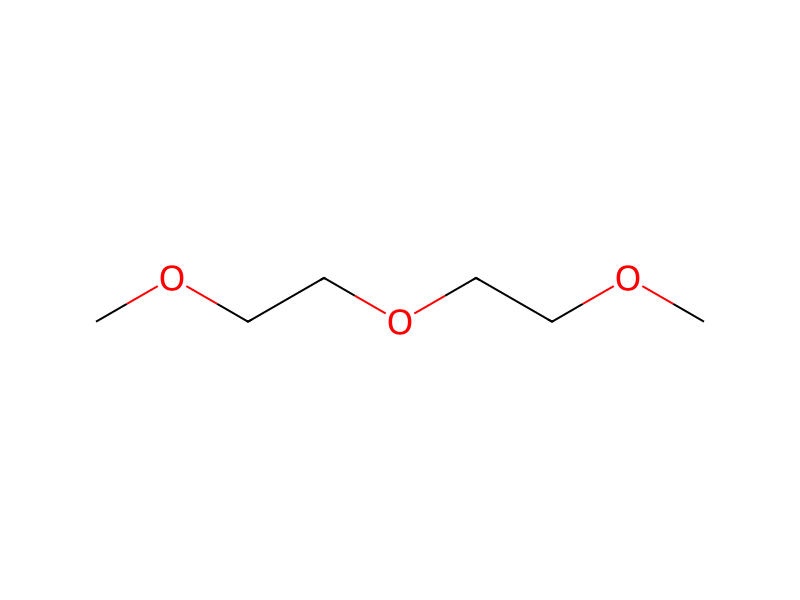
To 233 ml. of a 0.43 M solution of disiamylborane in diglyme cooled to 0° C. under an inert atmosphere is added 23.8 g. (0.100 mole) 4,4-dimethyl-3-tetrahydropyranyloxy-1-octyne (Example 995). The mixture is allowed to come to room temperature and is stirred at ambient temperature for 3 hours. The solution is cooled to 0° C. and 22.5 g. (0.30 mole) of triethylamine oxide is added portionwise such that the temperature is maintained at 0°-5° C. The mixture is stirred at 0° C. for 1 hour and is then poured into 150 ml. of 1 N sodium hydroxide followed immediately by a solution of 25.4 g. (0.100 mole) of iodine in 60 ml. of tetrahydrofuran. The mixture is stirred at ambient temperatures for 0.5 hour and poured into 500 ml. of water. The mixture is decolorized by addition of sodium thiosulfate solution and is extracted into ether. The organic phase is washed with water and the solvent is removed in vacuo. The residue is stirred at room temperature for 20 hours with 900 ml. 3:1:1 tetrahydrofuran-acetic acid-water. The solution is evaporated in vacuo and the residue is chromatographed on silica gel in benzene using 10-20% ethylacetate in benzene.