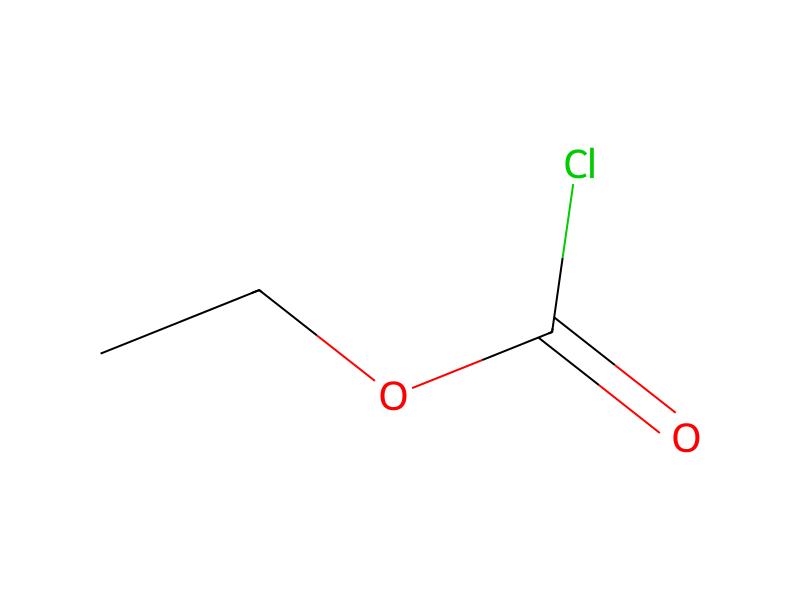
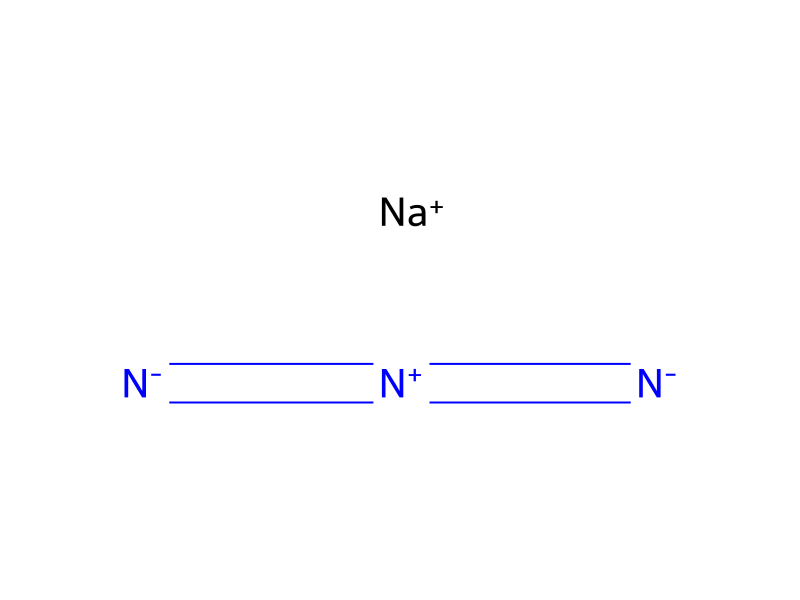
[Cl:1][C:2]1[CH:20]=[CH:19][C:5]2[CH:6]([CH2:15][C:16](O)=[O:17])[C:7]3[CH:14]=[CH:13][CH:12]=[CH:11][C:8]=3[CH2:9][CH2:10][C:4]=2[CH:3]=1.C(N(CC)CC)C.ClC(OCC)=O.[N-:34]=[N+:35]=[N-:36].[Na+]>O1CCCC1.O.C(OCC)C>[Cl:1][C:2]1[CH:20]=[CH:19][C:5]2[CH:6]([CH2:15][C:16]([N:34]=[N+:35]=[N-:36])=[O:17])[C:7]3[CH:14]=[CH:13][CH:12]=[CH:11][C:8]=3[CH2:9][CH2:10][C:4]=2[CH:3]=1To a magnetically stirred, ice cold solution of 2-chloro-10,11-dihydro-5H-dibenzo[a,d]cyclohepten-5-ylacetic acid (20.0 g, described in Example 2) in dry tetrahydrofuran (400 ml) is added, under an atmosphere of dry nitrogen, triethylamine (13 ml) and ethyl chloroformate (11.6 g). After stirring for 1 hr at 0° C., the suspension is cooled to -10° C. and a solution of sodium azide (6.4 g) in distilled water (40 ml) is added. After stirring for a further 1 hr at -10° C., the reaction mixture is diluted with diethyl ether (200 ml). The organic phase is dried over magnesium sulfate and evaporated to give the title compound.