

기본 정보
- 표준 SMILES
CC(=O)O[C@@]12CO[C@@H]1C[C@H](O)[C@@]1(C)C(=O)[C@H](O)C3=C(C)[C@@H](OC(=O)[C@H](O)[C@@H](NC(=O)OC(C)(C)C)c4ccccc4)C[C@@](O)([C@@H](OC(=O)c4ccccc4)[C@H]21)C3(C)C- InChIKey
ZDZOTLJHXYCWBA-VCVYQWHSSA-N- 분자식
- C43H53NO14
- 평균 분자량
- 807.9 g/mol
- 단동위원소 질량
- 807.34660538
개요
Docetaxel anhydrous is a tetracyclic diterpenoid that is paclitaxel with the N-benzyloxycarbonyl group replaced by N-tert-butoxycarbonyl, and the acetoxy group at position 10 replaced by a hydroxy group. It has a role as an antineoplastic agent, an antimalarial and a photosensitizing agent. It is a secondary alpha-hydroxy ketone and a tetracyclic diterpenoid. It derives from a hydride of a taxane.
이름 및 식별자
- 우선 이름
- Docetaxel
- IUPAC
- [(1S,2S,3R,4S,7R,9S,10S,12R,15S)-4-acetyloxy-1,9,12-trihydroxy-15-[(2R,3S)-2-hydroxy-3-[(2-methylpropan-2-yl)oxycarbonylamino]-3-phenylpropanoyl]oxy-10,14,17,17-tetramethyl-11-oxo-6-oxatetracyclo[11.3.1.03,10.04,7]heptadec-13-en-2-yl] benzoate
- 영어명
- Docetaxel
- 분자식
- C43H53NO14
- 분자량
- 807.88
이름 및 동의어
docetaxel114977-28-5TaxotereDocetaxel anhydrousDocetaxel KabiDocetaxel WinthropDocefrezDOCETAXEL MYLANRP-56976NSC-628503DTXSID0040464Docetaxel Teva
이름 더 보기
Doxetaxelrp56976BIND-014DecetaxelAnhydrous DocetaxelDocetereDocetaxetNSC_628503
Docetaxel AccordDOCETAXEL TEVA PHARMABEIZRAYBIND 014N-debenzoyl-N-tert-butoxycarbonyl-10-deacetyltaxolRP 56976N-debenzoyl-N-(tert-butoxycarbonyl)-10-deacetyltaxolCKD-810
데이터베이스 식별자
- CAS
114977-28-5- PubChem CID
- 148124
- DTXSID
DTXSID0040464- ChEMBL
CHEMBL3545252、CHEMBL92- ChEBI
CHEBI:4672- UNII
- 699121PHCA
- EC Number
- 601-339-2
- Nikkaji
- J314.049K
물성
구조 계산 물성
- XLogP
- 1.6
- 극성 표면적
- 224 Ų
- 수소 결합 공여자 수
- 5
- 수소 결합 수용자 수
- 14
- 회전 가능 결합 수
- 13
- 무거운 원자 수
- 58
- 형식 전하
- 0
- 복잡도
- 1,660
실험 및 물리화학적 성질
DrugsPharmaceuticals -> Listed in ZINC15
LogP
2.4
3.4
Solubility
Insoluble
1.27e-02 g/L
Human Drugs
Breast Feeding; Lactation; Milk, Human; Antineoplastic Agents; Antimitotic Agents; Tubulin Modulators
FDA approved drugs -> Active ingredient
EMA approved medicines: Human medicine
EMA approved medicines: Human medicine
EMA approved medicines: Human medicine
FDA approved drugs -> Active ingredient
Melting Point
232 °C
232 °C
Optical RotationSpecific optical rotation: - 36 deg (c = 0.74 in ethanol)
Physical DescriptionSolid
Other Experimental PropertiesWhite to almost white powder. Highly lipophilic. Practically insoluble in water /Docetaxel trihydrate/
물리화학적 성질
- 녹는점
- 186 · 186-192 °C (dec.)
- 끓는 점
- 900.5 · 900.5±65.0 °C(Predicted)
- 밀도
- 1.38 · 1.38
- 저장 조건
- -20 °C · Sealed in dry,Store in freezer, under -20°C
- 용해도
- 물에 거의 녹지 않으며 무수 에탄올에 잘 녹고 염화메틸렌에 녹습니다.
- 물리적 상태
- Solid
- 산도 계수 (pKa)
- 11.2 · 11.20±0.46(Predicted)
- 색상
- 하얀색
- 수용성
- 디메틸설폭사이드와 에탄올에 용해됩니다. 물에 불용성.
- Merck
- 14 · 14,3397
- 안정성
- 1 · 제공된 대로 구매일로부터 1년 동안 안정적입니다. DMSO 또는 에탄올 용액은 -20°에서 최대 3개월 동안 보관할 수 있습니다.
- InChIKey
- BEDLLNJKXXVTSX-LWWLJZAUSA-N
- LogP
- 2.456 · 2.456 (est)
화학적 성질
Off-white Cryst
안전 및 규제
GHS 분류
GHS Classification
Danger
H315 (14.3%): Causes skin irritation [Warning Skin corrosion/irritation]
P203, P260, P263, P264, P264+P265, P270, P280, P302+P352, P305+P351+P338, P318, P319, P321, P332+P317, P337+P317, P362+P364, P405, and P501 (click each P-code to see the statement)
Aggregated GHS information provided per 14 reports by companies from 12 notifications to the ECHA C&L Inventory. Each notification may be associated with multiple companies.
유해성 정보
FDA Requirements
The Approved Drug Products with Therapeutic Equivalence Evaluations identifies currently marketed prescription drug products, including docetaxel, approved on the basis of safety and effectiveness by FDA under sections 505 of the Federal Food, Drug, and Cosmetic Act.
Toxic Combustion ProductsSpecial hazards arising from the substance or mixture: Carbon oxides, Nitrogen oxides (NOx).
Hazard Classes and CategoriesSkin Irrit. 2 (14.3%)
안전 및 보호
Fire Fighting Procedures
Advice for firefighters: Wear self-contained breathing apparatus for firefighting if necessary.
Suitable extinguishing media: Use water spray, alcohol-resistant foam, dry chemical or carbon dioxide.
Storage Conditions
Store between 2 °C and 25 °C (36 °F and 77 °F). Retain in the original package to protect from light. Freezing does not adversely affect the product.
Keep container tightly closed in a dry and well-ventilated place. Keep in a dry place.
Cleanup Methods
Accidental Release Measures. Personal precautions, protective equipment and emergency procedures: Avoid dust formation. Avoid breathing vapors, mist or gas. Environmental precautions: Do not let product enter drains. Methods and materials for containment and cleaning up: Sweep up and shovel. Keep in suitable, closed containers for disposal.
Disposal Methods
SRP: At the time of review, regulatory criteria for small quantity disposal are subject to significant revision, however, household quantities of waste pharmaceuticals may be managed as follows: Mix with wet cat litter or coffee grounds, double bag in plastic, discard in trash.
SRP: Those disposing of expired or waste pharmaceuticals shall carefully take into consideration applicable DEA, EPA, and FDA regulations. It is not appropriate to dispose by flushing the pharmaceutical down the toilet or discarding to trash. If possible return the pharmaceutical to the manufacturer for proper disposal being careful to properly label and securely package the material. Alternatively, the waste pharmaceutical shall be labeled, securely packaged and transported by a state licensed medical waste contractor to dispose by burial in a licensed hazardous or toxic waste landfill or incinerator.
Product: Offer surplus and non-recyclable solutions to a licensed disposal company. Contaminated packaging: Dispose of as unused product.
Preventive Measures
Handle in accordance with good industrial hygiene and safety practice. Wash hands before breaks and at the end of workday.
Gloves must be inspected prior to use. Use proper glove removal technique (without touching glove's outer surface) to avoid skin contact with this product. Dispose of contaminated gloves after use in accordance with applicable laws and good laboratory practices. Wash and dry hands.
SRP: Local exhaust ventilation should be applied wherever there is an incidence of point source emissions or dispersion of regulated contaminants in the work area. Ventilation control of the contaminant as close to its point of generation is both the most economical and safest method to minimize personnel exposure to airborne contaminants. Ensure that the local ventilation moves the contaminant away from the worker.
Personal Protective Equipment (PPE)
Skin protection: Handle with gloves.
Eye/face protection: Use equipment for eye protection tested and approved under appropriate government standards such as NIOSH (US) or EN 166(EU).
Provide appropriate exhaust ventilation at places where dust is formed.
Respiratory protection: Respiratory protection is not required. Where protection from nuisance levels of dusts are desired, use type N95 (US) or type P1 (EN 143) dust masks. Use respirators and components tested and approved under appropriate government standards such as NIOSH (US) or CEN (EU).
Body Protection: Complete suit protecting against chemicals, The type of protective equipment must be selected according to the concentration and amount of the dangerous substance at the specific workplace.
독성 정보
Interactions
Leukopenic and/or thrombocytopenic effects of docetaxel may be increased with concurrent or recent therapy if these medications /blood dyscrasia causing medications/ cause the same effects; dosage adjustment of docetaxel, if necessary, should be based on blood counts.
Additive bone marrow depression may occur; dosage reduction may be required when two or more bone marrow depressants, including radiation, are used concurrently or consecutively.
Docetaxel is a CYP3A4 substrate. In vitro studies have shown that the metabolism of docetaxel may be modified by the concomitant administration of compounds that induce, inhibit, or are metabolized by cytochrome P450 3A4.
/Concurrent use with other immunosuppressants, such as: azathioprine; chlorambucil; corticosteroids, glucocorticoid; cyclophosphamide; cyclosporine; mercaptopurine; muromonab CD-3; tacrolimus/ with docetaxel may increase the risk of infection.
For more Interactions (Complete) data for DOCETAXEL (12 total), please visit the HSDB record page.
Hepatotoxicity
Docetaxel has been associated with serum aminotransferase elevations in up to half of patients, but values greater than 5 times the upper limit of normal (ULN) occur in less than 2%. Similar rates of alkaline phosphatase elevations and occasional mild bilirubin elevations also occur. The abnormalities are usually asymptomatic, mild and self-limited, rarely requiring dose modification or discontinuation. Despite the frequency of serum enzyme elevations during therapy, clinically apparent liver injury from docetaxel is rare. Nevertheless, individual case reports of severe acute hepatic necrosis attributed to docetaxel have been published, usually arising within a few days or weeks after a severe hypersensitivity reaction to the first or second infusion of docetaxel (Case 1). The typical case arises within days of the infusion of docetaxel and is associated with rapid, marked rises in serum aminotransferase levels with subsequent appearance of jaundice. With severe injury there is early hepatic and multiorgan failure with jaundice and progressive hepatic encephalopathy, coagulopathy, and ascites. Immunoallergic features (fever, rash, flushing) are common initially, but may be obscured by corticosteroid therapy. Liver biopsy generally reveals zone 3 (centrolobular) necrosis and variable degrees of inflammation and cholestasis. Because docetaxel is often given with other antineoplastic agents, liver injury arising during therapy cannot always be attributed reliably to docetaxel as opposed to another specific agent. Furthermore, docetaxel in combination with other antineoplastic agents may be associated with reactivation of hepatitis B, increased risk of opportunistic viral infections, sinusoidal obstruction syndrome and sepsis, any of which can cause liver test abnormalities or clinically apparent liver injury.
Environmental Fate
TERRESTRIAL FATE: Based on a classification scheme(1), an estimated Koc value of 1.9X10+6(SRC), determined from a structure estimation method(2), indicates that docetaxel is expected to be immobile in soil(SRC). Volatilization of docetaxel from moist soil surfaces is not expected to be an important fate process(SRC) given an estimated Henry's Law constant of 8.1X10⁻²⁴ atm-cu m/mole(SRC), using a fragment constant estimation method(3). Docetaxel is not expected to volatilize from dry soil surfaces(SRC) based upon an estimated vapor pressure of 5.6X10⁻²⁷ mm Hg at 25 °C(SRC), determined from a fragment constant method(2). Biodegradation data in soil were not available(SRC, 2015).
AQUATIC FATE: Based on a classification scheme(1), an estimated Koc value of 1.9X10+6(SRC), determined from a structure estimation method(2), indicates that docetaxel is expected to adsorb to suspended solids and sediment(SRC). Volatilization from water surfaces is not expected(3) based upon an estimated Henry's Law constant of 8.1X10⁻²⁴ atm-cu m/mole(SRC), developed using a fragment constant estimation method(4). According to a classification scheme(5), an estimated BCF of 19(SRC), from an estimated log Kow of 2.83(2), suggests the potential for bioconcentration in aquatic organisms is low (SRC). Biodegradation data in water were not available(SRC, 2015).
ATMOSPHERIC FATE: According to a model of gas/particle partitioning of semivolatile organic compounds in the atmosphere(1), docetaxel, which has an estimated vapor pressure of 5.6X10⁻²⁷ mm Hg at 25 °C(SRC), determined from a fragment constant method(2), is expected to exist solely in the particulate phase. Particulate-phase docetaxel may be removed from the air by wet and dry deposition(SRC). Docetaxel contains chromophores that absorb at wavelengths >290 nm(4) and, therefore, may be susceptible to direct photolysis by sunlight(SRC).
Adverse Effects
Common adverse effects seen in patients treated with docetaxel include infusion reactions, myelosuppression, febrile neutropenia, fatigue, diarrhea, and fluid retention. Infusion reactions can range from standard flushing, itching, dyspnea, and fever to potentially life-threatening anaphylactic shock and cardiorespiratory arrest. Myelosuppression is common with the use of cytotoxic drugs. With docetaxel, anemia, neutropenia, leukopenia, and thrombocytopenia are all reported. Systematic review and meta-analysis of docetaxel use in patients with NSCLC showed a significantly increased risk of severe infections, defined as grade 3 or higher, which is a potentially life-threatening adverse effect. Febrile neutropenia is also among the more serious adverse effects associated with significant morbidity and mortality when inappropriately managed.
Exposure RoutesIntravenous injection. The pharmacokinetic profile is consistent with a three-compartment model. The area under the curve (AUC) was dose proportional following doses of 70 mg/m2 to 115 mg/m2 with infusion times of 1 to 2 hours.
Milk ConcentrationsEXPERIMENTAL: It is not known whether docetaxel is excreted in human milk.
Toxicity Summary
IDENTIFICATION AND USE: Docetaxel is a white to almost white powder formulated into a solution for intravenous infusion. Docetaxel, an antineoplastic agent indicated for the treatment of patients with locally advanced or metastatic breast cancer after failure of prior chemotherapy or in combination with doxorubicin and cyclophosphamide, is indicated for the adjuvant treatment of patients with operable node-positive breast cancer. Docetaxel is also used in combination with prednisone as indicated for the treatment of patients with androgen independent (hormone refractory) metastatic prostate cancer. It is used in combination with cisplatin and fluorouracil. Finally, docetaxel in combination with cisplatin and fluorouracil is indicated for the treatment of patients with advanced gastric adenocarcinoma, including adenocarcinoma of the gastroesophageal junction, who have not received prior chemotherapy for advanced disease and for the induction treatment of patients with locally advanced squamous cell carcinoma of the head and neck (SCCHN). HUMAN EXPOSURE AND TOXICITY: Based on its mechanism of action and findings in animals, docetaxel can cause fetal harm when administered to a pregnant woman. Women of childbearing potential should be advised to avoid becoming pregnant during therapy with docetaxel. The incidence of treatment-related mortality associated with docetaxel therapy is increased in patients with abnormal liver function, in patients receiving higher doses, and in patients with non-small cell lung carcinoma and a history of prior treatment with platinum-based chemotherapy who receive Taxotere as a single agent at a dose of 100 mg/sq m. Fatal GI hemorrhage associated with thrombocytopenia has been reported in patients receiving docetaxel for locally advanced or metastatic breast cancer. Hepatitis, sometimes fatal, has been reported rarely in patients receiving docetaxel. Fatal hepatitis occurred mainly in patients with pre-existing liver disorders. Abnormalities in liver function test results have occurred in patients receiving docetaxel. Cases of acute myeloid leukemia (AML) and myelodysplastic syndrome (MDS) have been reported in association with Taxotere when used in combination with other chemotherapy agents and/or radiotherapy. Disseminated intravascular coagulation (DIC), often in association with sepsis, or multiorgan failure, has been reported. Severe hypersensitivity reactions characterized by generalized rash/erythema, hypotension and/or bronchospasm, or very rarely fatal anaphylaxis, have been reported in patients premedicated with 3 days of corticosteroids. Patients with elevations of bilirubin or abnormalities of transaminase concurrent with alkaline phosphatase are at increased risk for the development of grade 4 neutropenia, febrile neutropenia, infections, severe thrombocytopenia, severe stomatitis, severe skin toxicity, and toxic death. ANIMAL STUDIES: Reproduction studies in rats and rabbits given docetaxel doses greater than or equal to 0.3 and 0.03 mg/kg (about 1/50 and 1/300 the maximum daily recommended human dose on a mg/sq m basis), respectively, during organogenesis revealed evidence of maternal toxicity, embryotoxicity, and fetotoxicity; fetotoxicity was characterized by intrauterine mortality, increased resorption, reduced fetal weight, and fetal ossification delay. When administered in multiple IV doses of up to 0.3 mg/kg (about 1/50 of the recommended human dose on an mg/sq m basis), docetaxel produced no impairment of fertility in rats, but decreased testicular weights were reported. Docetaxel was clastogenic in the in vitro chromosome aberration test in CHO-K1 cells and in the in vivo micronucleus test in mice administered doses of 0.39 to 1.56 mg/kg (about 1/60th to 1/15th the recommended human dose on a mg/sq m basis). Docetaxel was not mutagenic in the Ames test or the CHO/HGPRT gene mutation assays.
Signs and Symptoms of Overdose
Docetaxel interferes with the normal function of microtubule growth. Whereas drugs like colchicine cause the depolymerization of microtubules in vivo, docetaxel arrests their function by having the opposite effect; it hyper-stabilizes their structure. This destroys the cell's ability to use its cytoskeleton in a flexible manner. Specifically, docetaxel binds to the β-subunit of tubulin. Tubulin is the 'building block' of mictotubules, and the binding of docetaxel locks these building blocks in place. The resulting microtubule/docetaxel complex does not have the ability to disassemble. This adversely affects cell function because the shortening and lengthening of microtubules (termed dynamic instability) is necessary for their function as a transportation highway for the cell. Chromosomes, for example, rely upon this property of microtubules during mitosis. Further research has indicated that docetaxel induces programmed cell death (apoptosis) in cancer cells by binding to an apoptosis stopping protein called Bcl-2 (B-cell leukemia 2) and thus arresting its function.
Plant Concentrations... Docetaxel is a semisynthetic product derived from the European yew tree Taxus baccata L. ...
Signs and Symptoms
Anticipated complications of overdosage include: bone marrow suppression, peripheral neurotoxicity, and mucositis. In two reports of overdose, one patient received 150 mg/m<sup>2</sup> and the other received 200 mg/m<sup>2</sup> as 1-hour infusions. Both patients experienced severe neutropenia, mild asthenia, cutaneous reactions, and mild paresthesia, and recovered without incident.
Soil Adsorption/Mobility
Using a structure estimation method based on molecular connectivity indices(1), the Koc of docetaxel can be estimated to be 1.9X10+6(SRC). According to a classification scheme(2), this estimated Koc value suggests that docetaxel is expected to be immobile in soil.
Natural Pollution SourcesDocetaxel is a semisynthetic compound derived beginning with a precursor extracted from yew plant needles(1).
Human Toxicity Excerpts
/SIGNS AND SYMPTOMS/ Based on its mechanism of action and findings in animals, Taxotere can cause fetal harm when administered to a pregnant woman. If Taxotere is used during pregnancy, or if the patient becomes pregnant while receiving this drug, the patient should be apprised of the potential hazard to the fetus. Women of childbearing potential should be advised to avoid becoming pregnant during therapy with Taxotere.
/SIGNS AND SYMPTOMS/ Fatal GI hemorrhage associated with thrombocytopenia has been reported in patients receiving docetaxel for locally advanced or metastatic breast cancer.
/SIGNS AND SYMPTOMS/ Severe hypersensitivity reactions characterized by generalized rash/erythema, hypotension and/or bronchospasm, or very rarely fatal anaphylaxis, have been reported in patients premedicated with 3 days of corticosteroids.
/SIGNS AND SYMPTOMS/ Cases of acute myeloid leukemia (AML) and myelodysplastic syndrome (MDS) have been reported in association with Taxotere when used in combination with other chemotherapy agents and/or radiotherapy. Disseminated intravascular coagulation (DIC), often in association with sepsis, or multiorgan failure, has been reported.
For more Human Toxicity Excerpts (Complete) data for DOCETAXEL (21 total), please visit the HSDB record page.
규제 정보
FDA Requirements
The Approved Drug Products with Therapeutic Equivalence Evaluations identifies currently marketed prescription drug products, including docetaxel, approved on the basis of safety and effectiveness by FDA under sections 505 of the Federal Food, Drug, and Cosmetic Act.
안전 데이터
- wgk
- 3
- rtecs
- DA4172750
- ridadr
- 1544
- 독성
- LD50 intravenous in dog: 2500ug/kg
- HS 번호
- 29322090
- risk_code
- 36/37/38-61
- hazard_code
- Xi
- safety_code
- 26-36/37-53-45
- 포장분류
- III
- 위험 등급
- 6.1(b)
- 유해 물질 데이터
- 114977-28-5(Hazardous Substances Data)
화학 및 산업
약리 정보
ATC Code
L01CD02
L - Antineoplastic and immunomodulating agents
QL - Antineoplastic and immunomodulating agents
L01CD02
Protein Binding
_In vitro_ studies show that 94% of docetaxel is bound to proteins, mainly alpha-1-acid glycoprotein, albumin, and lipoproteins. When measured in cancer patients, docetaxel is 97% bound to plasma protein. Dexamethasone does not affect the protein binding of docetaxel.
Pharmacodynamics
Docetaxel is a taxoid antineoplastic agent. It promotes the assembly of microtubules from tubulin dimers and stabilizes microtubules by preventing depolymerization. This stability results in the inhibition of the normal dynamic reorganization of the microtubule network which is essential for vital interphase and mitotic cellular functions. In addition, docetaxel induces abnormal arrays or "bundles" of microtubules throughout the cell cycle and multiple asters of microtubules during mitosis. The use of docetaxel may lead to treatment-related deaths in breast cancer and non-small cell lung cancer patients, hepatic impairment, hematologic effects, enterocolitis and neutropenic colitis, hypersensitivity reactions, fluid retention, second primary malignancies, cutaneous reactions, neurologic reactions, eye disorders, asthenia, embryo-fetal toxicity, and tumor lysis syndrome.
Mechanism of Action
Docetaxel interferes with the normal function of microtubule growth. Whereas drugs like [colchicine] cause the depolymerization of microtubules in vivo, docetaxel arrests their function by having the opposite effect; it hyper-stabilizes their structure. This destroys the cell's ability to use its cytoskeleton in a flexible manner. Specifically, docetaxel binds to the β-subunit of tubulin. Tubulin is the "building block" of microtubules, and the binding of docetaxel locks these building blocks in place. The resulting microtubule/docetaxel complex does not have the ability to disassemble. This adversely affects cell function because the shortening and lengthening of microtubules (termed dynamic instability) is necessary for their function as a transportation highway for the cell. Chromosomes, for example, rely upon this property of microtubules during mitosis. Further research has indicated that docetaxel induces programmed cell death (apoptosis) in cancer cells by binding to an apoptosis-stopping protein called Bcl-2 (B-cell leukemia 2), thus arresting its function.
Docetaxel is an antineoplastic agent that acts by disrupting the microtubular network in cells that is essential for mitotic and interphase cellular functions. Docetaxel binds to free tubulin and promotes the assembly of tubulin into stable microtubules while simultaneously inhibiting their disassembly. This leads to the production of microtubule bundles without normal function and to the stabilization of microtubules, which results in the inhibition of mitosis in cells. Docetaxel's binding to microtubules does not alter the number of protofilaments in the bound microtubules, a feature which differs from most spindle poisons currently in clinical use.
Docetaxel, a semisynthetic taxane, has exhibited significant single-agent activity against prostatic tumors. In phase I/II studies, single-agent docetaxel and the combination of docetaxel plus estramustine were effective in inducing prostate-specific antigen reductions of > or = 50% in men with androgen-independent prostate cancer (AIPC). The underlying reason for docetaxel's clinical activity against prostate cancer has been a focus of ongoing research. Docetaxel is believed to have a twofold mechanism of antineoplastic activity: (1) inhibition of microtubular depolymerization, and (2) attenuation of the effects of bcl-2 and bcl-xL gene expression. Taxane-induced microtubule stabilization arrests cells in the G(2)M phase of the cell cycle and induces bcl-2 phosphorylation, thereby promoting a cascade of events that ultimately leads to apoptotic cell death. In preclinical studies, docetaxel had a higher affinity for tubulin and was shown to be a more potent inducer of bcl-2 phosphorylation than paclitaxel. Laboratory evidence also supports the clinical evaluation of docetaxel-based combinations that include agents such as trastuzumab and/or estramustine. The pathways for docetaxel-induced apoptosis appear to differ in androgen-dependent and androgen-independent prostate cancer cells. Further elucidation of these differences will be instrumental in designing targeted regimens for the treatment of localized and advanced prostate cancer.
Biological Half-Life
With plasma sampling up to 8 to 22 days after docetaxel infusion, the terminal elimination half-life was 116 hours. Doses between 70 and 115 mg/m<sup>2</sup> with infusion times of 1 to 2 hours produce a triphasic elimination profile. The half-life of the alpha, beta, and gamma phases are 4 minutes, 36 minutes, and 11.1 hours, respectively.
Metabolism/Metabolites
Docetaxel undergoes hepatic metabolism. _In vitro_ drug interaction studies revealed that docetaxel is metabolized by the CYP3A4 isoenzyme. CYP3A5 also plays a role in the metabolism of this drug. In humans, docetaxel is metabolized by CYP3A4/5 into four metabolites: M1, M2, M3 and M4. Docetaxel undergoes hydroxylation of the synthetic isobutoxy side chain, forming metabolite M2. The oxidation of M2 forms an unstable aldehyde that is immediately cyclised into the stereoisomers M1 and M3. M4 is then formed by the oxidation of M1/M3.
Docetaxel, a potent antimicrotubule agent widely used in the treatment of ovarian, breast and lung cancer, is extensively metabolized in various animal species, including humans. The metabolism of docetaxel to its primary metabolite, hydroxydocetaxel, is mediated by cytochrome P450 isozymes CYP3A2 and CYP3A4 in rats and humans, respectively....
In vitro drug interaction studies revealed that docetaxel is metabolized by the CYP3A4 isoenzyme, and its metabolism may be modified by the concomitant administration of compounds that induce, inhibit, or are metabolized by cytochrome P450 3A4.
Docetaxel has known human metabolites that include Hydroxy-Docetaxel.
Hepatic. In vitro drug interaction studies revealed that docetaxel is metabolized by the CYP3A4 isoenzyme (1 major, 3 minor metabolites). Route of Elimination: Docetaxel was eliminated in both the urine and feces following oxidative metabolism of the tert-butyl ester group, but fecal excretion was the main elimination route. Within 7 days, urinary and fecal excretion accounted for approximately 6% and 75% of the administered radioactivity, respectively. Half Life: Dose-dependent. Doses of 70 mg per square meter of body surface area (mg/m 2 ) or higher produce a triphasic elimination profile. With lower doses, assay limitations precluded detection of the terminal elimination phase. The half-life of the alpha, beta, and gamma phase are 4 minutes, 36 minutes, and 11.1 hours, respectively.
FDA Pharmacological Classification
699121PHCA
DOCETAXEL ANHYDROUS
Physiologic Effects [PE] - Microtubule Inhibition
Established Pharmacologic Class [EPC] - Microtubule Inhibitor
Docetaxel anhydrous is a Microtubule Inhibitor. The physiologic effect of docetaxel anhydrous is by means of Microtubule Inhibition.
DOCETAXEL
MeSH Pharmacological Classification
Substances that inhibit or prevent the proliferation of NEOPLASMS.
Agents that interact with TUBULIN to inhibit or promote polymerization of MICROTUBULES.
Absorption, Distribution and Excretion
The pharmacokinetic profile of docetaxel is consistent with a three-compartment model. The initial rapid decline represents the distribution to the peripheral compartments, and the late (terminal) phase is partly due to a relatively slow efflux of docetaxel from the peripheral compartment. The area under the curve (AUC) was dose proportional at doses between 70 mg/m2 and 115 mg/m2 with infusion times of 1 to 2 hours. In a group of patients with solid tumors given 100 mg/m2 of docetaxel intravenously, the Cmax and AUC were 2.41 μg/mL and 5.93 μg⋅h/mL, respectively.
Docetaxel was eliminated in urine and feces following oxidative metabolism of the tert-butyl ester group, but fecal excretion was the main elimination route. Within 7 days, urinary and fecal excretion accounted for approximately 6% and 75% of the administered radioactivity, respectively. In the first 48 hours, approximately 80% of the radioactivity recovered was excreted in feces. One major and three minor metabolites were excreted at this point, with less than 8% as the unchanged drug.
Docetaxel has a steady-state volume of distribution of 113 L. Its pharmacokinetic profile is consistent with a three-compartment pharmacokinetic model.
After the administration of 20–115 mg/m<sup>2</sup> of intravenous docetaxel to cancer patients, the total body clearance was 21 L/h/m<sup>2</sup>. In patients aged 1 to 20 years with solid tumors that received 55 mg/m<sup>2</sup> to 235 mg/m<sup>2</sup> of docetaxel in a 1-hour intravenous infusion every 3 weeks, clearance was 17.3 L/h/m<sup>2</sup>.
The initial rapid decline represents distribution to the peripheral compartments and the late (terminal) phase is due, in part, to a relatively slow efflux of docetaxel from the peripheral compartment. Mean steady state volume of distribution was 113 L. In vitro studies showed that docetaxel is about 94% protein bound, mainly to alpha1-acid glycoprotein, albumin, and lipoproteins. In three cancer patients, the in vitro binding to plasma proteins was found to be approximately 97%. Dexamethasone does not affect the protein binding of docetaxel.
A study of (14)C-docetaxel was conducted in three cancer patients. Docetaxel was eliminated in both the urine and feces following oxidative metabolism of the tert-butyl ester group, but fecal excretion was the main elimination route. Within 7 days, urinary and fecal excretion accounted for approximately 6% and 75% of the administered radioactivity, respectively. About 80% of the radioactivity recovered in feces is excreted during the first 48 hours as 1 major and 3 minor metabolites with very small amounts (less than 8%) of unchanged drug.
Tissue LocationsKidney
Cellular LocationsCytoplasm
Metabolite PathwaysDocetaxel Action Pathway
용도 및 제조
Uses
MEDICATION
Antineoplastic Agents; Tubulin Modulators
Use (kg; approx.) in Germany (2009): >10
For the treatment of patients with locally advanced or metastatic breast cancer after failure of prior chemotherapy. Also used as a single agent in the treatment of patients with locally advanced or metastatic non-small cell lung cancer after failure of prior platinum-based chemotherapy. It is also used in combination with prednisone, in the treatment of patients with androgen independent (hormone refractory) metastatic prostate cancer. Furthermore, docetaxel has uses in the treatment of gastric adenocarinoma and head and neck cancer.
Methods of Manufacturing
Semisynthetic derivative of paclitaxel, q.v., prepared using a natural precursor, 10-deacetylbaccatin III, extracted from the needles of the European yew tree, Taxus baccata L., Taxaceae.
Docetaxel is ... prepared by a semisynthetic process that starts from 10-deacetylbaccatin III. After protection of the 7- and 10-hydroxy groups by 2,2,2-trichloroethoxycarbonyl (Troc) groups, the 13-hydroxy group is esterified with threo-2-(1-ethoxyethoxy)-3-(tert-butoxycarbonylamino)-3-phenylpropionic acid. The latter is obtained from tert-butyl cis-3-phenylglycidate (made by Darzens condensation of benzaldehyde with tert-butyl chloroacetate) by reaction with sodium azide, ester hydrolysis, and finally catalytic hydrogenation.
Preparation: M. Colins et al., European Patent Office patent 253738; eidem, United States of America patent 4814470 (1988, 1989 both to Rhone-Poulenc Sante);
Formulations/PreparationsTable: Docetaxel Preparations [Table#6526]
응용 분야
개요Docetaxel, a semi-synthetic product from the taxoid family, was launched in 1995 first in South Africa and subsequently in several other markets for the treatment of ovarian, breast and non-small cell lung cancers. Like the naturally occurring antitumor agent paclitaxel, the first marketed taxoid, docetaxel promotes both the rate and extent of tubulin assembly into stable microtubules and inhibits their depolymerization. It acts as a mitotic spindle poison and induces a mitotic block in proliferating cells. This mechanism of action for taxoids is unique from other classes of anticancer agents. Docetaxel was reported to be twice as potent as paclitaxel in several in vitro protocols and also exhibit higher cytotoxicity. Clinical trials are on going for docetaxel for other types of tumors including pancreatic, gastric, head and neck cancers and soft tissue sarcomas.
용도Docetaxel is a semisynthetic analog of taxol that inhibits microtubule disassembly (IC50 = 0.2 μM) and inhibits cell replication (IC50 = 0.13 μM). It has proven more effective than taxol in preventing the proliferation of cancer cells. Docetaxel has applications in breast cancer and hormone-refractory prostate cancer. It is a second-generation cytotoxic antimicrotubule agent and is mostly used in the pharmaceutical industry.
상·하류 제품 정보
상류 원료
공급사2 곳
ETA SCIENTIFIC Co.,Ltd[email protected]
TLC PharmaChem Inc.[email protected]
추가 설명
정의ChEBI: A tetracyclic diterpenoid that is paclitaxel with the N-benzyloxycarbonyl group replaced by N-tert-butoxycarbonyl, and the acetoxy group at position 10 replaced by a hydroxy group.
관련 반응
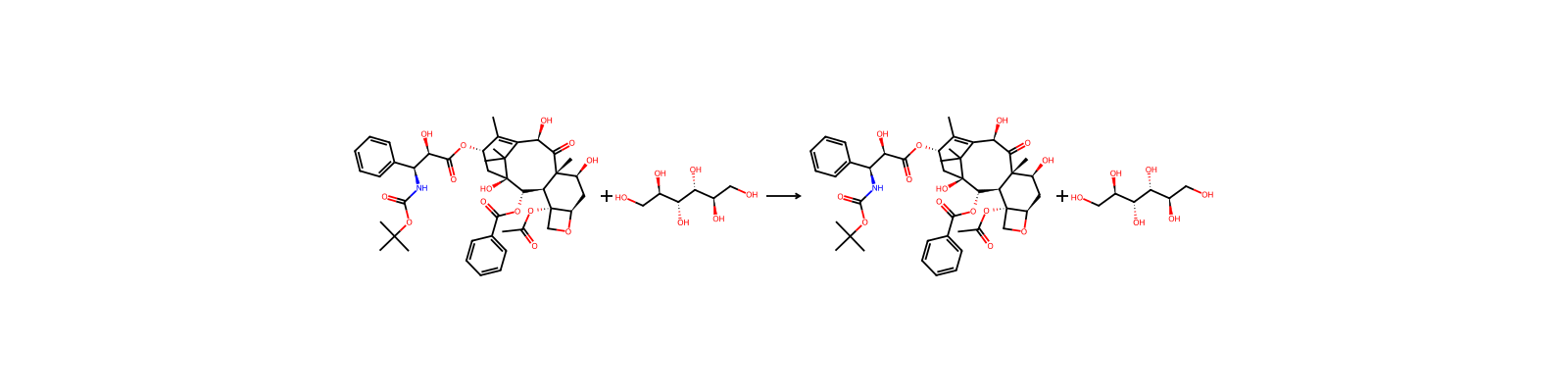
13건




연결된 노트
불러오는 중…