
HRID 216000반응물로
Calcium hypochlorite
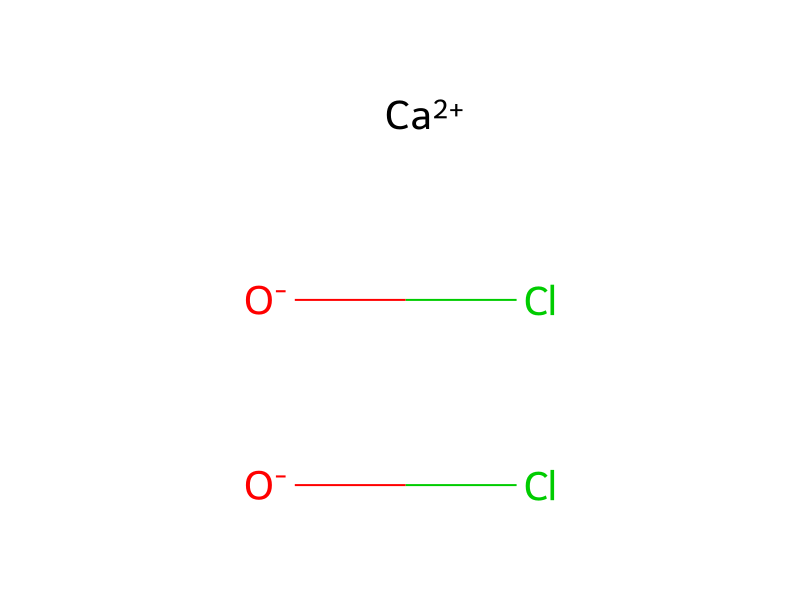
7778-54-3[Ca+2].[O-]Cl.[O-]ClZKQDCIXGCQPQNV-UHFFFAOYSA-NObtained by saturating calcium hydroxide (slaked lime) with chlorine.
7778-54-3DTXSID1029700CHEMBL2251447CHEBI:31342Other Classes -> Inorganic Oxidizing Agents
Reactive agents - 1st degree
2.350 g/cu cm
2.35 g/cm³
2.35 @25 °C
Powder
WHITE GRANULES OR PELLETS
White crystalline solid
21% in water at 25 °C
Solubility in water, g/100ml at 25 °C: 21
The 70% grade may decomp violently if exposed to heat or direct sunlight. Gives off chlorine and chlorine monoxide above 350 °F (poisonous gases).
It will chemically decompose at temperatures above 212 °F to release chlorine and oxygen gas.
Dangerous; when heated to decomposition ... it emits highly toxic fumes of hydrogen chloride and explodes.
Decomposes at 100 °C
100 °C
안전 정보는 참고용이며, 공급업체의 물질안전보건자료(SDS), 관련 법규 및 전문가 평가를 대체하지 않습니다.
Danger
H272: May intensify fire; oxidizer [Danger Oxidizing liquids; Oxidizing solids]
P210, P220, P260, P264, P270, P273, P280, P301+P317, P301+P330+P331, P302+P361+P354, P304+P340, P305+P354+P338, P316, P321, P330, P363, P370+P378, P391, P405, and P501 (click each P-code to see the statement)
Danger
H271 (12%): May cause fire or explosion; strong Oxidizer [Danger Oxidizing liquids; Oxidizing solids]
P210, P220, P260, P264, P270, P273, P280, P283, P301+P317, P301+P330+P331, P302+P361+P354, P304+P340, P305+P354+P338, P306+P360, P316, P321, P330, P363, P370+P378, P371+P380+P375, P391, P405, P420, and P501 (click each P-code to see the statement)
Chemical: Hypochlorous acid, calcium salt
Hypochlorous acid, calcium salt (2:1) is listed on the EPA's Chemical Data Reporting (CDR) system. Manufacturers and importers of Hypochlorous acid, calcium salt (2:1) are required to report information about their production and use of this chemical to the EPA under the Toxic Substances Control Act (TSCA). (40 eCFR Part 711)
REACH registered substance: Calcium hypochlorite (EC: 231-908-7)
Calcium hypochlorite, hydrated, with not less than 5.5% but not more than 16% water: Does not have an individual approval but may be used under an appropriate group standard
The New Jersey Worker and Community Right to Know Act requires public and private employers to provide information about hazardous substances at their workplaces. (N.J.S.A. 34:5A-1 et. seq.)
Oxidizer
Oxidizer
Excerpt from ERG Guide 140 [Oxidizers]:
Hypochlorous ions are physiologically present in the human body, being formed by white blood cells (neutrophils and monocytes) as a powerful antimicrobial agent during inflammation process. When the recognition of "non-self" proteins in an invading micro-organism triggers the immune response, the enzyme myeloperoxidase located in mammalian neutrophils catalyses hypochlorous acid formation trough the oxidation of chloride ion in combination with hydrogen peroxide. The endogenously formed hypochlorous acid plays a key role in the process of phagocytosis through which bacteria are killed. Due to its potent cytotoxic action, hypochlorite is also responsible for neutrophil-mediated tissue damage associated with the inflammatory response. Its high efficiency as antimicrobial agent is associated with the lack of a catalytically active detoxifying mechanism for HOCl in both bacteria and mammalian cells. Although it has been suggested that HOCl-induced cytotoxicity can be associated to the degradation of a number of functionally important molecules the primary mechanism of action is still not fully elucidated. /Hypochlorite/
Hypochlorous ions are physiologically present in the human body, being formed by white blood cells (neutrophils and monocytes) as a powerful antimicrobial agent during inflammation process. When the recognition of "non-self" proteins in an invading micro-organism triggers the immune response, the enzyme myeloperoxidase located in mammalian neutrophils catalyses hypochlorous acid formation trough the oxidation of chloride ion in combination with hydrogen peroxide. The endogenously formed hypochlorous acid plays a key role in the process of phagocytosis through which bacteria are killed. Due to its potent cytotoxic action, hypochlorite is also responsible for neutrophil-mediated tissue damage associated with the inflammatory response. Its high efficiency as antimicrobial agent is associated with the lack of a catalytically active detoxifying mechanism for HOCl in both bacteria and mammalian cells. Although it has been suggested that HOCl-induced cytotoxicity can be associated to the degradation of a number of functionally important molecules the primary mechanism of action is still not fully elucidated. /Hypochlorite/
It is well known from studies on HClO in inflammation processes that HClO is not enzymatically metabolised and its (bio)transformation readily occurs through direct reactions with organic compounds or with other chemicals present in the cellular environment, including hydrogen peroxide. The toxicokinetic study showed that chloride ion accounted for >80% (36)Cl radioactivity present in rat plasma. /Hypochlorite/
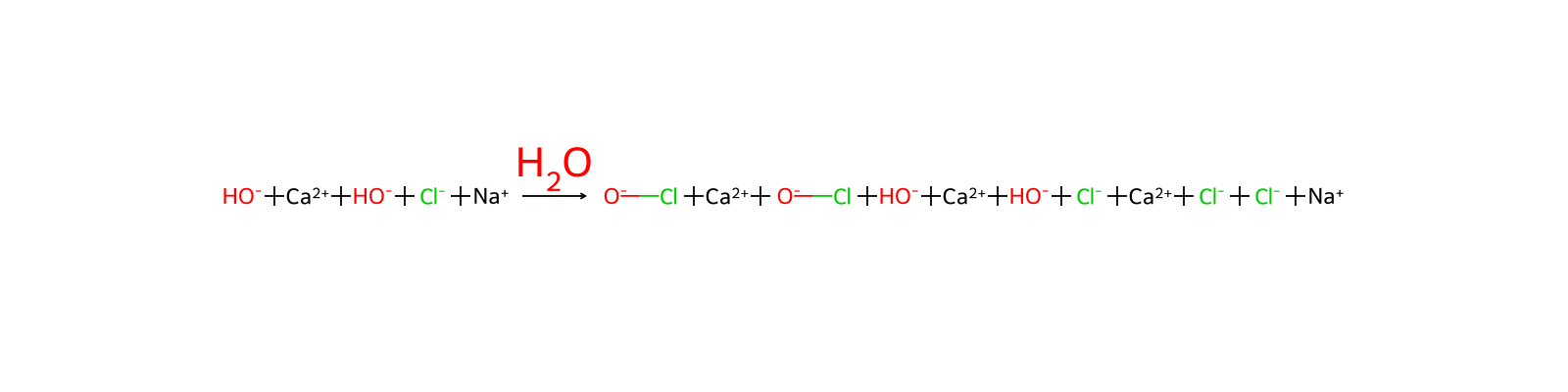



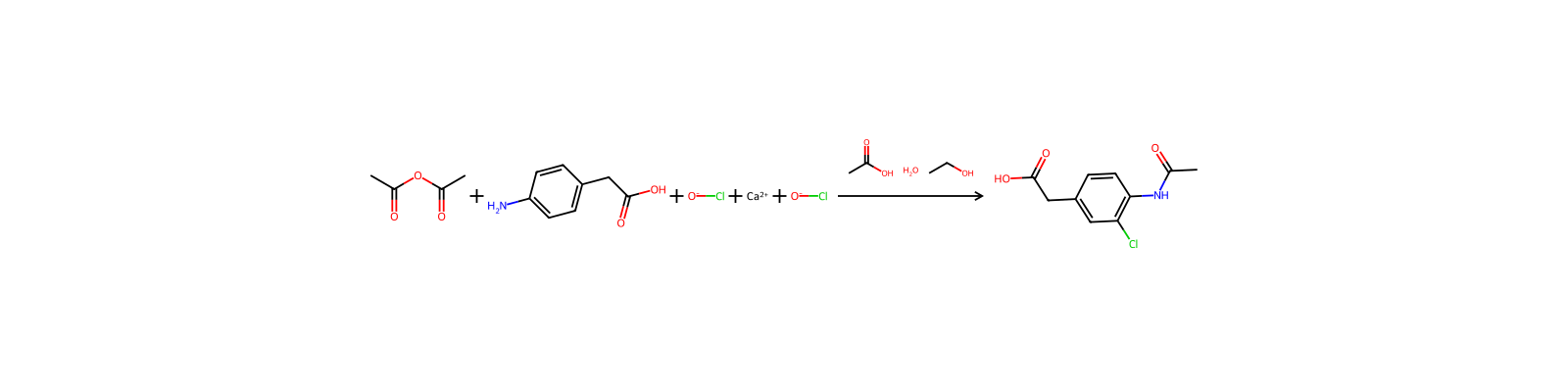
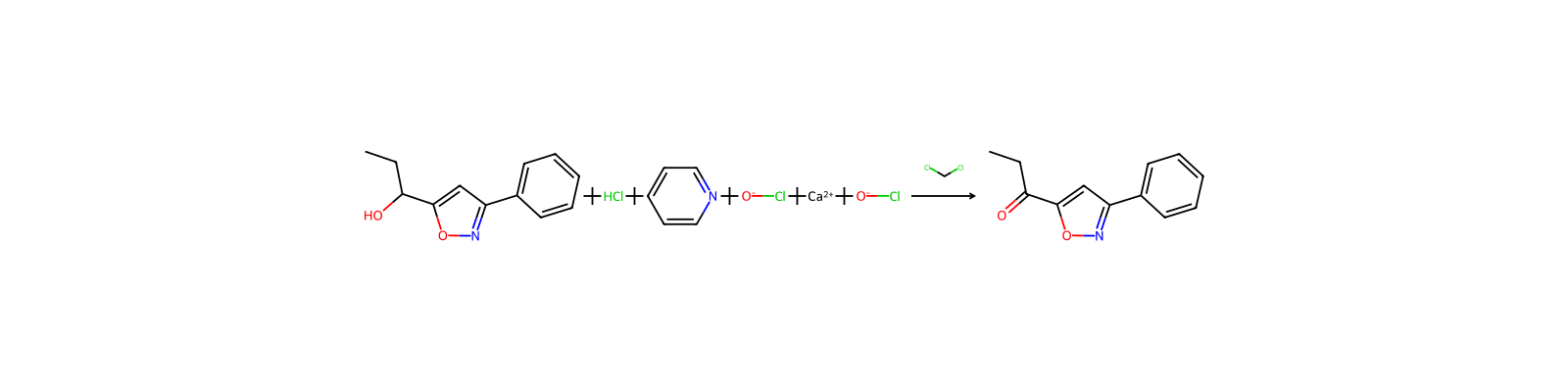
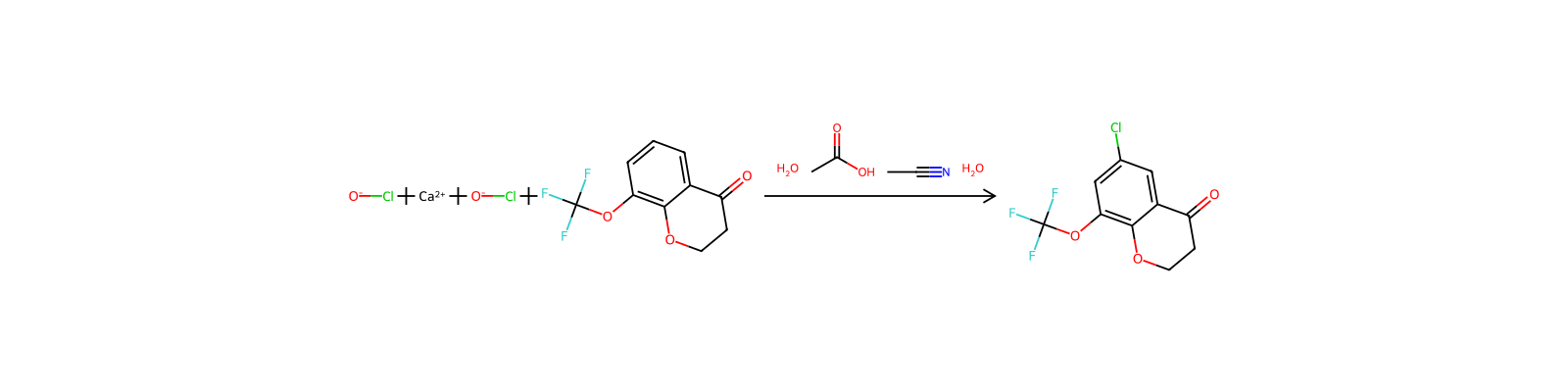
100 °C
100 °C
FCS -> FDA Cumulative Estimated Daily Intake (CEDI)
FCS -> FDA Inventory of Food Contact Substances Listed in 21 CFR
FCS -> FDA Inventory of Effective Food Contact Substance (FCS) Notifications
Obtained by saturating calcium hydroxide (slaked lime) with chlorine.
Calcium hypochlorite appears as a white granular solid (or tablets compressed from the granules) with an odor of chlorine. Toxic, irritating to the skin. Noncombustible, but will accelerate the burning of combustible materials. Prolonged exposure to fire or heat may result in the vigorous decomposition of the material and rupture of the container. Diluted samples may undergo reactions as described above if they contain less than 39% available chlorine but take longer to become involved and react less vigorously. Used for water purification, disinfectant for swimming pools, for bleaching paper and textiles.
Dry Powder
White solid granules with the odor of household bleaching powder; [CHRIS]
WHITE SOLID IN VARIOUS FORMS WITH PUNGENT ODOUR.
Calcium hypochlorite, Ca(OCl)2.4H20, also known as calcium oxychloride, chlorinated lime, and bleach, is a deliquescent white powder used as a bleaching agent in the textile and pulp industries and as a disinfectant. It contains 60 to 65% available chlorine,
Excerpt from ERG Guide 140 [Oxidizers]:
CAUTION: Ammonium nitrate products may explode if involved in fire or contaminated with hydrocarbons (fuels), organic matter, other contaminants or when hot molten and contained. Treat as an explosive (GUIDE 112).
CAUTION: Ammonium nitrate products may explode if involved in fire or contaminated with hydrocarbons (fuels), organic matter, other contaminants or when hot molten and contained. Treat as an explosive (GUIDE 112).
CAUTION: Ammonium nitrate products may explode if involved in fire or contaminated with hydrocarbons (fuels), organic matter, other contaminants or when hot molten and contained. Treat as an explosive (GUIDE 112).
CAUTION: Ammonium nitrate products may explode if involved in fire or contaminated with hydrocarbons (fuels), organic matter, other contaminants or when hot molten and contained. Treat as an explosive (GUIDE 112).
Contact with combustible materials will increase fire hazard. May undergo accelerated decomposition with release of heat above 350 °F (177 °C). /Calcium hypochlorite, dry, or calcium hypochlorite, mixtures, dry/
Contact of solid hypochlorite with glycerol, digol monomethyl ether, or phenol causes ignition within few minutes, accompanied by irritant smoke, particularly with phenol (formation of chlorophenols).
Contents of a drum /of calcium hypochlorite/ erupted & ignited during intermittent use. This was attributed to contamination of soldered metal scoop (normally kept in the drum) by oil, grease or water, or all three, & subsequent exothermic reaction with the ... /hypochlorite/.
... The hypochlorite constitutes a hazard in the absence of other combustible materials, because after initiation, local rapid thermal decomp will spread through the contained mass of hypochlorite as a vigorous fire which evolves, rather than consumes, oxygen.
May cause fire in contact with wood or straw.
Not flammable /SRP: Acts as oxidizer with combustible material./
Excerpt from ERG Guide 140 [Oxidizers]:
Excerpt from ERG Guide 140 [Oxidizers]:
· Inhalation, ingestion or contact (skin, eyes) with vapors or substance may cause severe injury, burns or death.
· Inhalation, ingestion or contact (skin, eyes) with vapors or substance may cause severe injury, burns or death.
· Inhalation, ingestion or contact (skin, eyes) with vapors or substance may cause severe injury, burns or death.
· Inhalation, ingestion or contact (skin, eyes) with vapors or substance may cause severe injury, burns or death.
An oxidizer that promotes combustion; Decomposes in the presence of heat, water, or contamination with release of corrosive chlorine gas; Calcium hypochlorite solutions are corrosive to the skin, eyes, and upper respiratory tract; [CHEMINFO] See Hypochlorous acid.
2208 140
2880 140
2208 140
1748 140
Bases, Strong
Salts, Basic
Canelli E; Chemical, bacteriological and toxicological properties of cyanuric acid and chlorinated isocyanurates as applied to swimming pool disinfection: a review; Am J Public Health 64: 155-62 (1974). Review of bacteriological and toxicological properties of swimming pool disinfectants.
USEPA/Office of Pesticide Programs; Reregistration Eligibility Decision Document - Sodium and Calcium Hypochlorite Salts (February 1992). The RED summarizes the risk assessment conclusions and outlines any risk reduction measures necessary for the pesticide to continue to be registered in the U.S.[Available from, as of August 29, 2013: http://www.epa.gov/oppsrrd1/REDs/old_reds/case0029.pdf]
Excerpt from ERG Guide 140 [Oxidizers]:
Excerpt from ERG Guide 140 [Oxidizers]:
NO powder. Use water in large amounts. In case of fire: keep drums, etc., cool by spraying with water.
Fresh air, rest. Half-upright position. Artificial respiration may be needed. Refer for medical attention.
Remove contaminated clothes. Rinse skin with plenty of water or shower.
First rinse with plenty of water for several minutes (remove contact lenses if easily possible), then refer for medical attention.
Rinse mouth. Give one or two glasses of water to drink. Do NOT induce vomiting. Refer for medical attention .
· CALL 911. Then call emergency response telephone number on shipping paper. If shipping paper not available or no answer, refer to appropriate telephone number listed on the inside back cover.
· Keep combustibles (wood, paper, oil, etc.) away from spilled material.
· CALL 911. Then call emergency response telephone number on shipping paper. If shipping paper not available or no answer, refer to appropriate telephone number listed on the inside back cover.
· Keep combustibles (wood, paper, oil, etc.) away from spilled material.
· CALL 911. Then call emergency response telephone number on shipping paper. If shipping paper not available or no answer, refer to appropriate telephone number listed on the inside back cover.
· Keep combustibles (wood, paper, oil, etc.) away from spilled material.
Excerpt from ERG Guide 140 [Oxidizers]:
Excerpt from ERG Guide 140 [Oxidizers]:
General First Aid:
General First Aid:
General First Aid:
General First Aid:
· Wear positive pressure self-contained breathing apparatus (SCBA).
· Wear positive pressure self-contained breathing apparatus (SCBA).
· Wear positive pressure self-contained breathing apparatus (SCBA).
· Wear positive pressure self-contained breathing apparatus (SCBA).
If material involved in fire: Extinguish using agent suitable for type of surrounding fire. (Material itself does not burn or burns with difficulty.) Use water in flooding quantities as fog. Cool all affected containers with flooding quantities of water. Apply water from as far a distance as possible. /Chlorinated lime, liquid/
Personnel protection: ... Wear positive pressure self-contained breathing apparatus when fighting fires involving this material. /Chlorinated lime, liquid/
Approach fire from upwind to avoid hazardous vapors and toxic decomposition products. Use flooding quantities of water as fog or spray. Use water spray to keep fire-exposed containers cool. Fight fire from protected location or maximum possible distance. Do not use dry chemical fire extinguishers containing ammonium compounds. /Calcium hypochlorite, dry, or calcium hypochlorite, mixtures, dry/
Store in a cool, dry, well-ventilated location at a temperature below 120 °F (50 °C) to avoid slow decomposition. Separate from oxidizing materils, acids, ammonia, amines, and other chlorinating agents. Immediately remove and properly dispose of any spilled material. /Calcium hypochlorite, dry or calcium hypochlorite, mixtures, dry/
The bulk material may ignite or explode in storage. Traces of water may initiate the reaction.
Well closed. Store in an area without drain or sewer access. Separated from food and feedstuffs.
Personal protection: chemical protection suit, face shield and filter respirator for organic gases and vapours adapted to the airborne concentration of the substance. Do NOT let this chemical enter the environment. Sweep spilled substance into covered air-tight, dry containers. Then store and dispose of according to local regulations.
Excerpt from ERG Guide 140 [Oxidizers]:
Excerpt from ERG Guide 140 [Oxidizers]:
Dissolve the material in water and add to a large vol of concn reducing agent soln, then acidify the mixture with H2SO4. When reduction is complete, soda ash is added to make the soln alkaline. The alkaline liquid is decanted from any sludge produced, neutralized, and diluted before discharge to a sewer or stream. The sludge is landfilled.
LC50; Species: Colinus virginianus (Northern bobwhite quail) age 9 days; diet >5620 ppm for 8 days
LC50; Species: Anas platyrhynchos (Mallard duck) age 10 days; diet >5620 ppm for 8 days
LD50; Species: Anas platyrhynchos (Mallard duck) age 25 weeks; oral via capsule >105 mg/kg
LD50; Species: Colinus virginianus (Northern bobwhite quail) age 27 weeks; oral via capsule; oral via capsule 1502 mg/kg (95% confidence interval: 1097-2561 mg/kg)
For more Ecotoxicity Values (Complete) data for CALCIUM HYPOCHLORITE (64 total), please visit the HSDB record page.
/AQUATIC SPECIES/ The aquatic effect of calcium hypochlorite in the environment, where pH value is supposed to range from 6 to 8, is common to other hypochlorite-generating chemicals like chlorine gas or sodium hypochlorite. The biologically significant chemical species are hypochloric acid or hypochlorite ion. /Hypochlorite/
Burning sensation. Sore throat. Wheezing. Laboured breathing. Shortness of breath.
Redness. Pain. Serious skin burns. Blisters.
Redness. Pain. Blurred vision. Severe deep burns.
Abdominal pain. Burning sensation. Shock or collapse.
/SIGNS AND SYMPTOMS/ Symptomatology: 1. Pain & inflammation of mouth, pharynx, esophagus, & stomach. Erosion of mucous membranes, chiefly of stomach. 2. Vomiting ... hemorrhage ... 3. Circulatory collapse, with cold & clammy skin, cyanosis, & shallow respirations. 4. Confusion, delirium, coma. 5. Edema of pharynx, glottis & larynx, with stridor & obstruction. 6. Perforation of esophagus or stomach, with mediastinitis or peritonitis. 7. Inhalation of hypochlorous acid fumes causes severe resp tract irritation & pulmonary edema. 8. Skin contact may cause vesicular eruptions and eczematoid dermatitis. Hypochlorite/
/SIGNS AND SYMPTOMS/ When excess of calcium hydroxide is present, chlorinated lime is strongly alkaline & capable of causing lime burn of the eye. /Chlorinated lime/
/SIGNS AND SYMPTOMS/ ... Inhalation of /chlorinated lime/ fumes may cause laryngeal & pulmonary irritation, pulmonary edema, death. /Chlorinated lime/
/SIGNS AND SYMPTOMS/ Inhalation of dusts /bleaching powder/ may damage teeth, conjunctiva, & resp tract. If used as paste with excessive rubbing for more than 3 to 4 min ... sometimes causes moderate to severe ... damage to skin. /Bleaching powder/
For more Human Toxicity Excerpts (Complete) data for CALCIUM HYPOCHLORITE (13 total), please visit the HSDB record page.
/LABORATORY ANIMALS: Acute Exposure/ Wister-derived albino rats were dosed by gavage (vehicle: water) at 890, 1000, 1120, and 1260 mg/kg bw (10 males/group). Eight/10, 5/10, 9/10, and 10/10 deaths occurred at 890, 1000, 1120, and 1260 mg/kg, respectively. Moderate depression of the central nervous system was found at 1 hour after administration. Most survivors showed a mild to moderate persistent anorexia. Most affected animals showed diarrhea for several days. The LD50 was calculated to be 790 mg/kg.
/LABORATORY ANIMALS: Acute Exposure/ Exptl application of 5% aq soln of ... calcium hypochlorite, pH 11.5, to eyes of rabbits for thirty sec, followed by irrigation with water, caused superficial loss of epithelium from corneas & conjunctivas ... within a day corneas healed & conjunctivae were normal except for slight residual hyperemia. ...
/LABORATORY ANIMALS: Subchronic or Prechronic Exposure/ /NOAEL of 160 mg/kg was observed in a repeated dose oral toxicity studies in rats after exposure for 30 days./
/GENOTOXICITY/ Chromosomal aberrations were analyzed in Chinese hamster cells treated for 24 or 48 hours with three different doses of calcium hypochlorite, in the absence of metabolic activation. A positive increase in chromosomal aberrations was observed only in a culture treated with 0.5 ug/mL (6.7 mol/L = approx. 3.5 umol/L active chlorine) for 48 hours.
/VETERINARY CASE REPORTS/ Poisoning in animals ... as result of contamination of whey with hypochlorites used for disinfecting whey containers & from chlorinated lime (bleaching powder) used in error in limewash. Principal effect of such compounds, which yield chlorine in solution, is local irritation of the intestinal tract.
Evaluation: There is inadequate evidence for the carcinogenicity of hypochlorite salts in experimental animals. No data were available from studies in humans on the carcinogenicity of hypochlorite salts. Overall evaluation: Hypochlorite salts are not classifiable as to their carcinogenicity to humans (Group 3). /Hypochlorite salts/
According to the 2006 TSCA Inventory Update Reporting data, the number of persons reasonably likely to be exposed in the industrial manufacturing, processing, and use of calcium hypochlorite is 1 to 99; the data may be greatly underestimated(1).
NIOSH (NOES Survey 1981-1983) has statistically estimated that 82,721 workers (23,4896 of these were female) were potentially exposed to calcium hypochlorite in the US(1). The NOES Survey does not include farm workers. Occupational exposure to calcium hypochlorite may occur through inhalation and dermal contact with this compound at workplaces where calcium hypochlorite is produced or used. Monitoring data indicate that the general population may be exposed to calcium hypochlorite via inhalation of ambient air, ingestion of food and drinking water, and dermal contact with consumer products containing calcium hypochlorite(SRC).
Routes of entry: Inhalation of dust. Inhalation of vapor and ingestion. /Chlorinated lime/
Residues of the following materials are exempted from the requirement of a tolerance when used in accordance with good agricultural practice as inert (or occasionally active) ingredients in pesticide formulations applied to growing crops or to raw agricultural commodities after harvest. Inert Ingredient: calcium hypochlorite; Use: sanitizing and bleaching agent.
Residues of the following chemical substances are exempted from the requirement of a tolerance when used in accordance with good manufacturing practice as ingredients in an antimicrobial pesticide formulation, provided that the substance is applied on a semi-permanent or permanent food-contact surface (other than being applied on food packaging) with adequate draining before contact with food. ... (c) The following chemical substances when used as ingredients in an antimicrobial pesticide formulation may be applied to: Food-processing equipment and utensils. Hypchlorous acid, calciuim salt is included on this list. Limit: When ready for use, the end-use concentration of all hypochlorous acid chemicals in the solution is not to exceed 200 ppm determined as total available chlorine.
Calcium hypochlorite is exempted from the requirement of a tolerance when used preharvest or postharvest in solution on all raw agricultural commodities. Calcium hypochlorite is exempted from the requirement of a tolerance in or on grape when used as a fumigant postharvest by means of a chlorine generator pad.
Section 4(g)(2)(A) of FIFRA calls for the Agency to determine, after submission of relevant data concerning an active ingredient, whether products containing the active ingredient are eligible for reregistration. The Agency has previously identified and required the submission of the generic (i.e., active ingredient specific) data required to support reregistration of products containing ... calcium hypochlorite as a active ingredient. The Agency has completed its review of these generic data, and has determined that the data are sufficient to support reregistration of products containing ... calcium hypochlorite.
As the federal pesticide law FIFRA directs, EPA is conducting a comprehensive review of older pesticides to consider their health and environmental effects and make decisions about their continued use. Under this pesticide reregistration program, EPA examines newer health and safety data for pesticide active ingredients initially registered before November 1, 1984, and determines whether the use of the pesticide does not pose unreasonable risk in accordance to newer saftey standards, such as those described in the Food Quality Protection Act of 1996. Calcium hypochlorite is found on List A, which contains most pesticides that are used on foods and, hence, have a high potential for human exposure. List A consists of the 194 chemical cases (or 350 individual active ingredients) for which EPA issued registration standards prior to FIFRA '88. Case No: 0029; Pesticide type: fungicide, antimicrobial (bactericide); Registration Standard Date: 02/01/86; Case Status: RED Approved 09/91; OPP has made a decision that some/all uses of the pesticide are eligible for reregistration, as reflected in a Reregistration Eligibility Decision (RED) document.; Active ingredient (AI): calcium hypochlorite; AI Status: OPP has completed a Reregistration Eligibility Decision (RED) document for the case/AI.
Persons in charge of vessels or facilities are required to notify the National Response Center (NRC) immediately, when there is a release of this designated hazardous substance, in an amount equal to or greater than its reportable quantity of 10 lb or 4.54 kg. The toll free number of the NRC is (800) 424-8802. The rule for determining when notification is required is stated in 40 CFR 302.4 (section IV. D.3.b).
Calcium hypochlorite is designated as a hazardous substance under section 311(b)(2)(A) of the Federal Water Pollution Control Act and further regulated by the Clean Water Act Amendments of 1977 and 1978. These regulations apply to discharges of this substance. This designation includes any isomers and hydrates, as well as any solutions and mixtures containing this substance.
Only ca. 50% is excreted mainly with the urine followed by excretion with feces. /Sodium hypochlorite/
Most of the data for toxicity of this substance by the oral route came from studies performed with sodium hypochlorite or chlorine gas. In biological systems, characterized by pH values in the range of 6-8, the most abundant active chemical species is HClO, in equilibrium with ClO-. Such available chlorine is readily absorbed via the oral route and distributed into plasma, bone marrow, testis, skin, kidney and lung. /sodium hypochlorite/
Used for swimming pool sanitation and other water treatment; Used in industries to disinfect, to control mildew, and to bleach textiles and paper; [CHEMINFO]
Pulp and Paper Processing [Category: Industry]
Disinfectant for drinking water and swimming pools; algicide; oxidizing agent; as household and industrial bleaching agent and sanitizer
Potable-water purification, bleaching agent (paper, textiles)
Calcium hypochlorite is used to cleanup hydrazine spills. Recommended procedure is discussed.
Chlorinated lime ... 2% strength ... used on grossly contaminated premises. Boric acid ... often used with it. Chlorinated lime/
Commercial products normally contain various impurities such as CaCl2, CaCO3, Ca(OH)2 and water.
MgO, CaCO3, CaSO4, Al2O3, FeO3, and trace metals such as cobalt, nickel, copper and manganese.
Bromate was first reported as a disinfection by-product from ozonated waters, but more recently it has been reported also as a result of treatment using hypochlorite solutions worldwide. The aim of this study was to study the scope of this phenomenon in the drinking waters (n=509) of Castilla and Leon, Spain, and in the hypochlorite disinfectant reagents. Two thirds of the treated waters monitored were found to have bromate concentrations higher than 1 ug/L, and of them a median value of 8 ug/L and a maximum of 49 ug/L. These concentrations are higher than those reported so far, however, a great variability can be found. Median values for chlorite were of 5 ug/L, and of 119 ug/L for chlorate. Only 7 out of 40 hypochlorite feedstock solutions were negative for bromate, the rest showing a median of 1022 mg/L; and 4 out of 14 calcium hypochlorite pellets were also negative, the rest with a median of 240 mg/kg. Although bromate is cited as potentially added to water from calcium hypochlorite pellets, no reference is found in scientific literature regarding its real content. Chlorite (median 2646 mg/L) and chlorate (median 20,462 mg/L) and chlorite (median 695 mg/kg) and chlorate (median 9516 mg/kg) were also monitored, respectively, in sodium hypochlorite solutions and calcium hypochlorite pellets. The levels of chlorite and chlorate in water are considered satisfactory, but not those of bromate, undoubtedly owing to the high content of bromide in the raw brines employed by the chlor-alkali manufacturers. Depending on the manufacturer, the bromate concentrations in the treated waters may be very heterogeneous owing to the lack of specification for this contaminant in the disinfectant reagents -the European Norms EN 900 and 901 do not mention it.
(1984) 1.11X10+9 g
(1987) 4,382,677 lb
(1987) 512,096 lb /Calcium lime, chlorinated no more than 40% chlorine/
(1972) 9.07X10+8 G
(1975) 1.25X10+9 G
(1984) 4.02X10+9 g
(1986) 14,067,471 lb
(1986) 1,270,989 lb /Lime chlorinated with not more than 40% available chlorine/
2023: 1,000,000 - <8,500,000 lb
(1972) 4.8X10+10 G
(1975) 6.36X10+10 G (DEMAND)
(1984) 5.04X10+9 g /est-based on export value equal to 22% of production/
Production volumes for non-confidential chemicals reported under the Inventory Update Rule.[Table#2416]
For more U.S. Production (Complete) data for CALCIUM HYPOCHLORITE (6 total), please visit the HSDB record page.
Swimming pool sanitation and other bleaching and sanitation (municipal and industrial) uses, 78%; Exports, 22% (1986)
CHEMICAL PROFILE: Calcium hypochlorite. Residential swimming pool sanitation, 65%; municipal and industrial bleaching and sanitation, 15%; exports, 20%.
CHEMICAL PROFILE: Calcium hypochlorite. Demand: 1988: 120,000 tons; 1989: 122,000; 1993 /projected/: 132,000 tons. (Includes exports, but not imports, which totaled 6,000 tons last year.)
Residential swimming pool sanitation 75%, municipal and industrial bleaching and sanitation 25%.
For more Consumption Patterns (Complete) data for CALCIUM HYPOCHLORITE (6 total), please visit the HSDB record page.
Chlorination of a slurry of lime and caustic soda with subsequent precipitation of calcium hypochlorite dihydrate, dried under vacuum.
... Chlorination of hydrated lime.
Drying a filter cake of neutral calcium hypochlorite dihydrate containing 30-50% water.
Grades: commercial (70%); high purity (99.2% available chlorine as calcium hypochlorite).
Chlorinated lime (bleaching powder)/ consists of mixt of ... calcium hypochlorite, calcium chloride, & calcium hydroxide; should not be confused with pure calcium hypochlorite. ...
Chloride of lime (35% calcium chlorine); highest calcium hypochlorite (70% available chlorine)
Chlorinated lime consists of a mixture of calcium chloride and calcium hypochloride and should contain a minimum of 30% available chlorine.
For more Formulations/Preparations (Complete) data for CALCIUM HYPOCHLORITE (130 total), please visit the HSDB record page.
Hypochlorous acid, calcium salt (2:1): ACTIVE
Chlorinated lime ... 20-30% soln ... needed for aporicidal action ... Concn kill trichuris (round worm) eggs. /Chlorinated lime/
The activity of this cmpd as a general disinfectant is based on its ability to release chlorine. In general, 5 1/2 oz ... (chlorine content from 20 to 27%) is mixed with each 50 lb of packing soil.
To disinfect feces, urine, and sanitary utensils; for purification of drinking water (1 oz to 2000 gal); for disinfection of swimming pool water (0.25 to 1 ppm of free chlorine); for removal of dyes from the skin. It is used as a household bleach. Chlorinated lime/
In freezing weather salt can be added as antifreeze without reducing benefits /calcium hypochlorites/.
For more General Manufacturing Information (Complete) data for CALCIUM HYPOCHLORITE (12 total), please visit the HSDB record page.
개요Calcium hypochlorite, is an oxysalt; it is a crystalline solid and an oxidizer that decomposes at 212°F (100°C). Calcium hypochlorite is a dangerous fire risk in contact with organic materials. It is also a common swimming pool chlorinator and decomposes in contact with water, releasing chlorine into the water. If a container of calcium hypochlorite becomes wet in storage, the result can be an exothermic reaction. If combustible materials are present, a fire may occur. The chlorine in the compound will be released by contact with the water and will then accelerate the combustion process. The four-digit UN identification number for dry mixtures with not less than 39% available chlorine (8.8% oxygen) is 1748; hydrated with not less than 5.5% and not more than 10% water, the number is 2880; mixtures that are dry, with not less than 10% but not more than 39% available chlorine, are numbered as 2208. The NFPA 704 designation for calcium hypochlorite is health 3, flammability 0, and reactivity 1. The white section at the bottom of the diamond has the prefix “oxy,” indicating an oxidizer. The primary uses are as a bleaching agent, a swimming pool disinfectant, a fungicide, in potable-water purification, and as a deodorant.
용도Bleaching powder is actually a mixture of calcium hypochlorite (Ca(ClO)2) and the basic chloride CaCl2, H2O with some slaked lime, Ca(OH)2. The product is generally called “bleaching powder”. It consists of a mixture of calcium chloride (CaCl2), calcium hypochlorite (Ca(OCl)2), and calcium chloride hypochlorite (CaCl(OCl)). Ca(ClO)2 is used in industrial wastewater treatment, sanitation and cleaning, epidemic prevention and household sanitation facilities, as well as for disinfection and sterilization of swimming pools, drinking water, cleaning vegetables, and sanitizing fishponds. Calcium hypochlorite has been used for bleaching of cotton, hemp, fiber, pulp and starch, disinfection of surfaces, and as a sterilant for water treatment. It has also been proposed as a solid fire extinguisher.
일반 설명Calcium hypochlorite, hydrated is a white granular solid or tablets compressed from the granules having an odor of chlorine. Calcium hypochlorite is noncombustible, but Calcium hypochlorite will accelerate the burning of combustible materials. Calcium hypochlorite is decomposed by water with evolution of chlorine gas and heat. Prolonged exposure to fire or heat may result in the vigorous decomposition of the material and rupture of the container. Material containing less than 39% available chlorine may undergo reactions as described above though Calcium hypochlorite may take longer to initiate, and the resulting reactions may not be as vigorous. Calcium hypochlorite is used for water purification, disinfectant for swimming pools, for bleaching paper and textiles, and for many other uses.
Calcium hypochlorite is manufactured by two main processes, the socalled “calcium process” and the “sodium process”. These are essentially the same as described for the Mg(ClO)2 salt method given above except that a sodium hypochlorite salt is used in one case and a calcium chloride salt in the other. The products are nearly the same. Calcium hypochlorite is manufactured by the calcium process: 2Ca(OH)2+2Cl2→Ca(ClO)2+CaCl2+2H2O In another method developed for the manufacture of Ca(ClO)2, chlorine gas is reacted with calcium hydroxide: Ca(OH)2+ 2Cl2→Ca(ClO)2+ 2HCl In this method, it is claimed that the excess HCl is neutralized by excess Ca(OH)2 to form CaCl2. The product is said to be more “neutral” chemically and more stable than that produced by other methods.
확인시험(1) 이 품목 0.5g에 물 5mL를 가하여 흔들어 섞고 이에 적색리트머스지를 담그면 리트머스지는 청색으로 변하고 다음에 퇴색한다. (2) 이 품목 0.1g에 초산(1→4) 2mL를 가하면 가스를 발생하면서 녹는다. 이에 물 5mL를 가하여 여과한 액은 확인시험법 중 칼슘염의 반응을 나타낸다.
정량법이 품목 약 0.7∼1.3g을 정밀히 달아 물 약 50mL을 가하여 잘 섞은 다음 500mL 메스플라스크에 넣고 물을 가하여 500mL로 한 다음 잘 흔들어 섞고 그 중 50mL에 요오드칼륨 2g 및 초산(1→2) 10mL을 가하고 바로 밀봉하여 암소에 15분간 방치한 후 유리된 요오드를 0.1N 치오황산나트륨용액으로 적정한다(지시약 : 전분시액). 종말점은 액의 청색이 사라질 때로 한다. 따로 같은 방법으로 공시험을 한다.
정의A white solid that can be regarded as a mixture of calcium chlorate(I) (calcium hypochlorite), calcium chloride, and calcium hydroxide. It is prepared on a large scale by passing a current of chlorine through a tilted cylinder down which is passed calcium hydroxide. Bleaching powder has been used for bleaching paper pulps and fabrics and for sterilizing water. Its bleaching power arises from the formation, in the presence of air containing carbon dioxide, of the oxidizing agent chloric(I) acid (hypochlorous acid, HClO): Ca(ClO)2.Ca(OH)2.CaCl2 + 2CO2 → 2CaCO3 + CaCl2 + 2HClO.