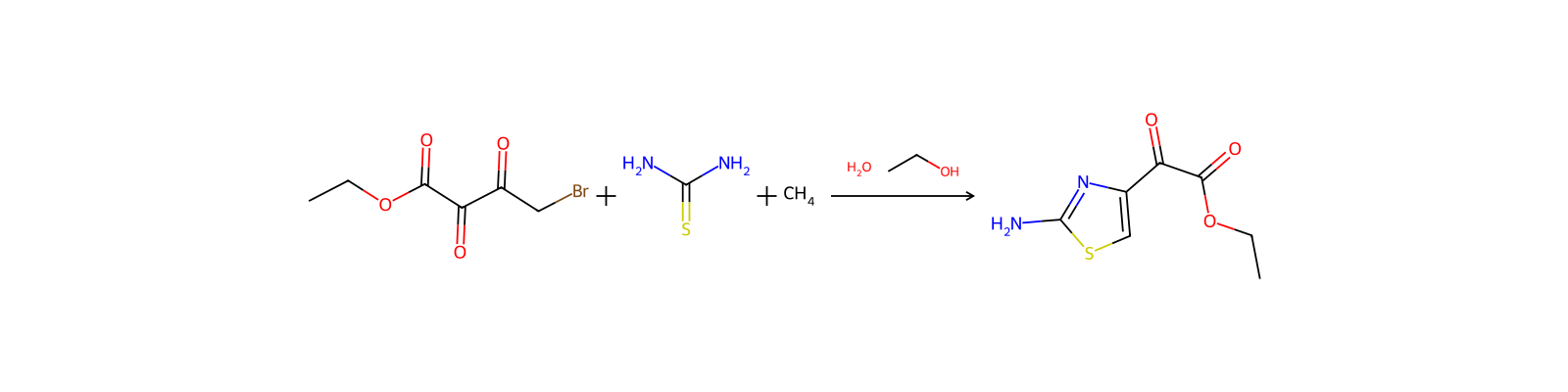

기본 정보
- 표준 SMILES
NC(N)=S- InChIKey
UMGDCJDMYOKAJW-UHFFFAOYSA-N- 분자식
- CH4N2S
- 평균 분자량
- 76.12 g/mol
- 단동위원소 질량
- 76.00951913
개요
Thiourea can cause cancer according to an independent committee of scientific and health experts.
이름 및 식별자
- 우선 이름
- Thiourea
- IUPAC
- thiourea
- 현지명
- 티오요소
- 영어명
- Thiourea
- 분자식
- CH4N2S
- 분자량
- 76.12
이름 및 동의어
THIOUREAThiocarbamide62-56-6IsothioureaSulfourea2-ThioureaPseudothioureaThiuroniumSulourea2-ThiopseudoureaThiocarbonic acid diamideUrea, thio-
이름 더 보기
티오요소(2-THIOUREA),설포우레아(SULFOUREA),이소-티오우레아(ISO-THIOUREA),2-티오기-(PSEUDOUREA,2-THIO-),2-티오슈도우레아(2-THIOPSEUDOUREA),THU,RCRAU129,T-101,O-4740,우레아,티오기-(UREA,THIO-),슈도우레아,설포카르바마이드슈도티오우레아(PSEUDOTHIOUREA),베타-티오슈도우레아(BETA-THIOPSEUDOUREA),싸이오요소티오카르바미드(THIOCARBAMIDE),2-티오우레아티오카바미드티오우레아티오우레아및그유도체2-티오슈도요소2-티오요소베타-티오슈도요소설포요소설포카르브아마이드슈도티오요소아이소싸이오우레아티오카르브아마이드THIO250gTHUThiureaThiourea, reagent grade, ACSThiour
beta-ThiopseudoureaThiomocovinaUrea, 2-thio-Tsizp 34Pseudourea, 2-thio-ThiocarbamidThioharnstoffThiokarbamid
데이터베이스 식별자
- CAS
62-56-6- PubChem CID
- 2723790
- DTXSID
DTXSID9021348- ChEMBL
CHEMBL260876- ChEBI
CHEBI:36946- UNII
- GYV9AM2QAG
- EC Number
- 200-543-5
- Nikkaji
- J2.351E
물성
구조 계산 물성
- XLogP
- -0.8
- 극성 표면적
- 84.1 Ų
- 수소 결합 공여자 수
- 2
- 수소 결합 수용자 수
- 1
- 회전 가능 결합 수
- 0
- 무거운 원자 수
- 4
- 형식 전하
- 0
- 복잡도
- 29
실험 및 물리화학적 성질
Chemical Classes
Nitrogen Compounds -> Thiourea Compounds
Carcinogens
SpringerMaterials Properties15N nuclear magnetic resonance spectrum
Pesticides
Rodenticides
Active substance -> EU Pesticides database: Not approved
LogP
log Kow = -1.08
-1.08
-2.38/-0.95
-0.92
OdorOdorless
TasteBitter
Food AdditivesANTIMICROBIAL AGENT -> FDA Substance added to food
Density
1.405 at 68 °F (USCG, 1999) - Denser than water; will sink
1.405 g/cu cm at 25 °C
1.4 g/cm³
1.405 at 68 °F
1.405 @25 °C
Color/Form
White solid which crystallizes in a rhombic bipyramidal structure
White lustrous crystals
Three functional groups - amino, imino, and thiol
Solubility
10 to 50 mg/mL at 68 °F (NTP, 1992)
In water, 1.42X10+5 mg/L at 25 °C
Soluble in water at 25 °C: 1 part in 11
Aqueous solubility data in g/L: 0.4676 at 0 °C; 85.07 at 10 °C; 117.5 at 20 °C; 133.9 at 25 °C; 167.4 at 30 °C; 235.5 at 40 °C; 415.2 at 60 °C, 579.8 at 80 °C; 704.1 at 100 °C
Soluble in alcohol; sparingly soluble in ether.
For more Solubility (Complete) data for THIOUREA (6 total), please visit the HSDB record page.
Animal Drugs
Pharmaceuticals -> Animal Drugs -> Approved in Taiwan
Pharmaceuticals -> UK Veterinary Medicines Directorate List
Boiling Point
Sublimes in vacuum at 302-320 °F (NTP, 1992)
Decomposes at boiling point
Sublimes in vacuum at 302-320 °F
물리화학적 성질
- 녹는점
- 170 · 170-176 °C (lit.)
- 끓는 점
- 263.89 °C · 263.89°C (estimate)
- 밀도
- 1.405 · 1.405
- 굴절률
- 1.53 · 1.5300 (estimate)
- 저장 조건
- 30 °C · Store below +30°C.
- 용해도
- 20 °C에서 · 물: 20°C에서 용해성137g/L
- 물리적 상태
- 크리스탈
- 산도 계수 (pKa)
- -1 · -1.0(at 25℃)
- 색상
- 흰색에서 거의 흰색
- Specific Gravity
- 1.406 · 1.406
- 냄새
- 냄새 없는
- 수소이온지수(pH)
- 6 · 6-8 (50g/l, H2O, 20℃)
- 수용성
- 13.6 g/100mL · 13.6g/100mL(20℃)
- Merck
- 14 · 14,9367
- BRN
- 605327 · 605327
- Henry's Law Constant
- 5 · 5.0×103 mol/(m3Pa) at 25℃, Duchowicz et al. (2020)
- 안정성
- 안정적인. 강산, 강염기, 강산화제, 금속염, 단백질, 탄화수소와 호환되지 않습니다. 아크롤레인과 격렬하게 반응할 수 있음.
- 화장품 원료 기능
- 항균보습제
- InChI
- 1S/CH4N2S/c2-1(3)4/h(H4,2,3,4)
- InChIKey
- UMGDCJDMYOKAJW-UHFFFAOYSA-N
- SMILES
- NC(N)=S
- LogP
- -1.05 · -1.050 (est)
- NIST
- Thiourea(62-56-6)
- EPA
- Thiourea (62-56-6)
화학적 성질
Thiourea consists of colorless, lustrous crystals or powder with a bitter taste.
안전 및 규제
GHS 분류
GHS Classification
Warning
H302: Harmful if swallowed [Warning Acute toxicity, oral]
P203, P264, P270, P273, P280, P301+P317, P318, P330, P391, P405, and P501 (click each P-code to see the statement)
This chemical does not meet GHS hazard criteria for 0.3% (2 of 710) of reports.
Warning
H302 (98.7%): Harmful if swallowed [Warning Acute toxicity, oral]
유해성 정보
Regulatory Information
Chemical: Thiourea
Hazard Traits - Carcinogenicity
Thiourea is listed on the EPA's Chemical Data Reporting (CDR) system. Manufacturers and importers of Thiourea are required to report information about their production and use of this chemical to the EPA under the Toxic Substances Control Act (TSCA). (40 eCFR Part 711)
2004/129/EC
Status: Active Update: 26-04-2023 https://echa.europa.eu/registration-dossier/-/registered-dossier/11868
Thiourea: Does not have an individual approval but may be used under an appropriate group standard
Other Safety InformationIMAP assessments - Thiourea: Environment tier I assessment
DOT LabelPoison
Fire Hazards
Special Hazards of Combustion Products: May contain highly toxic fumes of NOx and SOx.
Combustible. Gives off irritating or toxic fumes (or gases) in a fire. Risk of fire and explosion on contact with acrolein.
Health HazardsPoisonous inhaled or swallowed. Irritating to skin; may cause allergic skin eruptions. (USCG, 1999)
Hazards Summary
Thiourea (thiocarbamide) has been used as a fixative in photography and photocopying. It has also been used as a rubber and neoprene antioxidant. Photocontact dermatitis caused by thiourea has been observed in users of shoe insoles, adhesive tape, wet suits, and neoprene weather strips. Alkylated thioureas include diethylthiourea (DTU), Diphenylthiourea (DPTU), Ethylenethiourea (ETU), Dimethylthiourea (DMTU), and ethylbutylthiourea (EBTU). [Marks, 239-40] Danger of skin sensitization and photo-contact sensitization; [MAK] See Ethylene thiourea,
FDA Requirements
Substances generally prohibited from direct additiion or use as human food. a) Thiourea is the chemical thiocarbamide, CH4N2S. It is a synthetic chemical, is not found in natural products at levels detectable by the official methodology, and has been proposed as an antimycotic for use in dipping citrus. (b) Food containing any added or detectable level of thiourea is deemed to be adulterated under the act.
Reactive GroupAmides and Imides
EC ClassificationSymbol: Xn, N; R: 22-40-51/53-63; S: (2)-36/37-61
UN ClassificationUN Hazard Class: 6.1; UN Pack Group: III
Special Reports
Pandeya SN et al; J Sci Ind Res 40 (7): 458-66 (1981). A review with 157 references covers diverse types of activities associated with thioureas, eg, bactericidal, virucidal, tuberculostatic, anticonvulsant, local anesthetic, and hypnotic activities.
TSCA CHIPs present a preliminary assessment of thiourea's potential for injury to human health & the environment (available at EPA's TSCA Assistance Office: (202) 554-1404.
Schleusener A; BGA Schr (4): 77-82 (1985). A review with 20 refs of thiourea properties, uses, toxicity, mutagenicity, carcinogenicity, and toxicokinetics.
Dooms-Goossens A et al; Contact and Photocontact Sensitivity Problems Associated with Thiourea and Its Derivatives: A Review of the Literature and Case Reports; Br J Dermatol 116 (4): 573-79 (1987). A brief review of the literature on skin sensitivity problems associated with thiourea compounds is included.
For more Special Reports (Complete) data for THIOUREA (7 total), please visit the HSDB record page.
RCRA Requirements
U219; As stipulated in 40 CFR 261.33, when thiourea, as a commercial chemical product or manufacturing chemical intermediate or an off-specification commercial chemical product or a manufacturing chemical intermediate, becomes a waste, it must be managed according to Federal and/or State hazardous waste regulations. Also defined as a hazardous waste is any residue, contaminated soil, water, or other debris resulting from the cleanup of a spill, into water or on dry land, of this waste. Generators of small quantities of this waste may qualify for partial exclusion from hazardous waste regulations (40 CFR 261.5).
안전 및 보호
Fire Fighting
Fire Extinguishing Agents: Small fires: dry chemical, CO2, water spray or foam; large fires: water spray, fog or foam. (USCG, 1999)
Use water spray, foam, powder, carbon dioxide. In case of fire: keep drums, etc., cool by spraying with water.
First Aid Measures
Fresh air, rest. Refer for medical attention.
Remove contaminated clothes. Rinse and then wash skin with water and soap. Refer for medical attention .
First rinse with plenty of water for several minutes (remove contact lenses if easily possible), then refer for medical attention.
Induce vomiting (ONLY IN CONSCIOUS PERSONS!). Refer for medical attention .
First Aid
EYES: First check the victim for contact lenses and remove if present. Flush victim's eyes with water or normal saline solution for 20 to 30 minutes while simultaneously calling a hospital or poison control center. Do not put any ointments, oils, or medication in the victim's eyes without specific instructions from a physician. IMMEDIATELY transport the victim after flushing eyes to a hospital even if no symptoms (such as redness or irritation) develop.
Safe StorageSeparated from acids, food and feedstuffs, acrolein and oxidants. Cool. Well closed. Keep in a well-ventilated room.
Fire Fighting Procedures
Use water spray, alcohol-resistant foam, dry chemical or carbon dioxide.
Wear self-contained breathing appartus for fire-fighting if necessary.
Storage Conditions
Keep container tightly closed in a dry and well-ventilated place. Handle and store in inert gas. Storage class (TRGS 510): Non Combustible Solids.
Thiourea is packed in polyethylene bags (less than or equal to 50 kg) or in folding containers (less than or equal to 1500 kg). Bags and containers must be kept tightly closed, and in a cool, dry place. The contents must be protected from the action of light.
PRECAUTIONS FOR "CARCINOGENS": Storage site should be as close as practicable to lab in which carcinogens are to be used, so that only small quantities required for ... expt need to be carried. Carcinogens should be kept in only one section of cupboard, an explosion-proof refrigerator or freezer (depending on chemicophysical properties ...) that bears appropriate label. An inventory ... should be kept, showing quantity of carcinogen & date it was acquired. ... Facilities for dispensing ... should be contiguous to storage area. /Chemical Carcinogens/
Cleanup Methods
Pick up and arrange disposal without creating dust. Sweep up and shovel. Keep in suitable, closed containers for disposal.
Prevent further leakage or spillage if safe to do so. Do not let product enter drains. Discharge into the environment must be avoided.
Use personal protective equipment. Avoid dust formation. Avoid breathing vapors, mist or gas. Ensure adequate ventilation. Evacuate personnel to safe areas. Avoid breathing dust.
Sludge was treated with 5% aq soln of thiourea, sand & portland cement at pH 12.5. Leaching test of resulting concrete showed that dissolved concn of mercury, cadmium,lead, copper, & arsenic were far below regulation levels.
For more Cleanup Methods (Complete) data for THIOUREA (6 total), please visit the HSDB record page.
Nonfire Spill ResponseNeutralizing Agents for Acids and Caustics: Neutralize with six normal hydrochloric acid. (USCG, 1999)
Disposal Methods
Generators of waste (equal to or greater than 100 kg/mo) containing this contaminant, EPA hazardous waste number U219, must conform with USEPA regulations in storage, transportation, treatment and disposal of waste.
A potential candidate for rotary kiln incineration at a temperature range of 820 to 1,600 °C and residence times of seconds for liquids and gases, and hours for solids. A potential candidate for fluidized bed incineration at a temperature range of 450 to 980 °C and residence times of seconds for liquids and gases, and longer for solids.
The following wastewater treatment technology has been investigated for thiourea: Concentration process: Biological treatment.
PRECAUTIONS FOR "CARCINOGENS": There is no universal method of disposal that has been proved satisfactory for all carcinogenic compounds & specific methods of chem destruction ... published have not been tested on all kinds of carcinogen-containing waste. ... Summary of avail methods & recommendations ... /given/ must be treated as guide only. /Chemical Carcinogens/
For more Disposal Methods (Complete) data for THIOUREA (8 total), please visit the HSDB record page.
Spillage Disposal
Evacuate danger area! Consult an expert! Personal protection: chemical protection suit and particulate filter respirator adapted to the airborne concentration of the substance. Do NOT let this chemical enter the environment. Do NOT wash away into sewer. Sweep spilled substance into covered containers. If appropriate, moisten first to prevent dusting. Carefully collect remainder. Then store and dispose of according to local regulations.
Preventive Measures
In the case of the precursor /to aminothiazole/, thiourea, particular attention should be given to the hazard of skin absorption by the provision of protective clothing and adequate sanitary facilities incl showers.
PRECAUTIONS FOR "CARCINOGENS": Smoking, drinking, eating, storage of food or of food & beverage containers or utensils, & the application of cosmetics should be prohibited in any laboratory. All personnel should remove gloves, if worn, after completion of procedures in which carcinogens have been used. They should ... wash ... hands, preferably using dispensers of liq detergent, & rinse ... thoroughly. Consideration should be given to appropriate methods for cleaning the skin, depending on nature of the contaminant. No standard procedure can be recommended, but the use of organic solvents should be avoided. Safety pipettes should be used for all pipetting. /Chemical Carcinogens/
PRECAUTIONS FOR "CARCINOGENS": ... Operations connected with synth & purification ... should be carried out under well-ventilated hood. Analytical procedures ... should be carried out with care & vapors evolved during ... procedures should be removed. ... Expert advice should be obtained before existing fume cupboards are used ... & when new fume cupboards are installed. It is desirable that there be means for decreasing the rate of air extraction, so that carcinogenic powders can be handled without ... powder being blown around the hood. Glove boxes should be kept under negative air pressure. Air changes should be adequate, so that concn of vapors of volatile carcinogens will not occur. /Chemical Carcinogens/
PRECAUTIONS FOR "CARCINOGENS": Vertical laminar-flow biological safety cabinets may be used for containment of in vitro procedures ... provided that the exhaust air flow is sufficient to provide an inward air flow at the face opening of the cabinet, & contaminated air plenums that are under positive pressure are leak-tight. Horizontal laminar-flow hoods or safety cabinets, where filtered air is blown across the working area towards the operator, should never be used. ... Each cabinet or fume cupboard to be used ... should be tested before work is begun (eg, with fume bomb) & label fixed to it, giving date of test & avg air-flow measured. This test should be repeated periodically & after any structural changes. /Chemical Carcinogens/
For more Preventive Measures (Complete) data for THIOUREA (11 total), please visit the HSDB record page.
Isolation and EvacuationExcerpt from ERG Guide 154 [Substances - Toxic and/or Corrosive (Non-Combustible)]:
독성 정보
Body BurdenThiourea concentration in the urine of workers occupationally exposed to carbon disulfide was 37% higher than in a control group(1).
Interactions
Changes of TSH-producing cells in the pituitary and thyroid expression of the growth factors, transforming growth factor alpha (TGF alpha) and epidermal growth factor receptor (EGFR), as well as cyclin D1, were investigated immunohistochemically in order to clarify their contribution to the enhancing effects of excess vitamin A (VA) on thyroidal carcinogenesis induced by thiourea (TU). Male rats were allocated to 4 groups, control, TU, VA, and TU + VA, respectively, receiving no treatment, water containing 0.2% TU, diet containing 0.1% VA, and both for 10 or 19 weeks after a single s.c. injection of DHPN (N-bis(2-hydroxypropyl)nitrosamine) (2800 mg/kg) for initiation. Immunohistochemistry using antibodies against TSH demonstrated enlargement of TSH-producing cells in the TU + VA group as compared to the TU group, supporting our conclusion that enhanced TSH stimulation is mainly responsible for promoting the effects of excess VA. Since the expression of TGF alpha, EGFR, and cyclin D1 in thyroid proliferative lesions did not exhibit any differences between the TU and TU + VA groups in the present study, these factors are unlikely to participate in VA enhancement of carcinogenesis.
In our previous investigation, which focused on two-stage carcinogenicity in the thyroid, rats were administered N-bis(2-hydroxypropyl)nitrosamine (DHPN), followed by thiourea (TU) over an experimental period of 19 weeks. Simultaneous treatment with a high level of vitamin A (VA) enhanced the induction of proliferative lesions that originated from the thyroidal follicular epithelium. To examine whether hormone synthesis in the thyroid could be inhibited by simultaneous treatment with a large amount of VA and TU, all of the rats were initially given a single subcutaneous injection of 2,800 mg DHPN/kg followed by a supply of 0% TU + 0% VA (DHPN only, control group), 0.2% TU in their drinking water (DHPN/TU group), 0.1% VA in their diet (DHPN/VA group), or 0.2% TU + 0.1% VA (DHPN/TU + VA group) during an experimental period of 4 weeks. Results obtained indicate that the iodine uptake and organification, namely iodination of tyrosine residue in thyroglobulin, of the thyroid, were significantly decreased in the DHPN/TU group compared to the DHPN control group. The variation in these values was attributable to the inhibitory effect of TU upon thyroid hormone synthesis. Results obtained from the DHPN/TU + VA and DHPN/TU groups were comparable. Therefore, the possibility that modification of hormone synthesis contributes to the enhancing effect of simultaneous treatment with a large amount of VA on thyroidal tumor induction by TU is considered to be very minimal.
Time course changes in serum TSH and quantitative data for thyroid proliferative lesions in male F344 rats administered N-bis(2-hydroxypropyl)nitrosamine (DHPN: 2000 mg/kg body weight, single s.c. injection) followed by 0.1% thiourea (TU), were assessed at weeks 1, 2, 4, 8, 12 and 16 of treatment. The serum T4 level in the TU group was markedly decreased at week 1 and remained significantly lowered throughout the experiment. Serum TSH levels, in contrast, were elevated up to a peak at around week 4 with a return to the normal range at week 12. Thyroid weights in the TU group were increased significantly in a treatment period-dependent manner. Histopathologically, marked hypertrophy of thyroid follicular cells occurred at the early stage of TU treatment. Proliferative lesions, such as hyperplasia and adenomas, occurred from weeks 2 and 4, respectively, and increased with the later treatment period. The cell proliferative activity of follicular cells, assessed by BrdU incorporation, was high until week 2, but then returned to normal. The initially appearing hyperplasias and adenomas were characterized by marked proliferation but this also greatly decreased at later stages when TSH was no longer elevated. The results of our study thus suggest that a high serum TSH level plays an important role in the early phase of thyroid tumorigenesis and 8 weeks treatment with test substances is sufficient for detection of thyroid tumor promoter potential in two-stage thyroid carcinogenesis models.
To evaluate the effects of phenobarbital (PB) and thiourea (TU), alone or in combination, on proliferative lesions of the liver, thyroid and lung, male F344 rats initiated with 2000 mg/kg body weight N-bis(2-hydroxypropyl) nitrosamine (DHPN) were given diet and/or drinking water containing 0% PB/TU (group 1), 1000 ppm PB (group 2), 0.1% TU (group 3) and 500 ppm PB and 0.05% TU (group 4), from weeks 2 to 20 for 19 weeks. Group 4 showed remarkable increases in the number of hepatocellular altered foci per animal, the values being superior to the averages of groups 2 and 3. The number of thyroid proliferative lesions per animal was highest in group 3 and lowest in group 2. Lung proliferative lesions were induced in all groups, but no modifying influence on their development was evident in the combined group. The present results indicate that combined administration of PB and TU exerts synergistic enhancing effects on hepatocarcinogenesis.
For more Interactions (Complete) data for THIOUREA (24 total), please visit the HSDB record page.
Ecotoxicity Values
EC50; Species: Scenedesmus abundans (Green algae) 10+4 cells/mL; Conditions: freshwater, static, 22 °C; Concentration: 4800 ug/L for 96 hr; Effect: inhibition of cell growth /99.5% purity/
LC50; Species: Daphnia magna (Water flea) age <24 hr; Conditions: freshwater, static, 20 °C, pH 8.2, hardness 250 mg/L CaCO3, dissolved oxygen >6.5 mg/L; Concentration: 9000 ug/L for 48 hr (95% confidence interval: 5600-18000 ug/L) />99% purity/
Environmental Fate
TERRESTRIAL FATE: Based on a classification scheme(1), a measured Koc range of 7-36(2,3) indicates that thiourea is expected to have very high mobility in soil(SRC). Volatilization of thiourea from moist soil surfaces is not expected to be an important fate process(SRC) given an estimated Henry's Law constant of 1.1X10⁻¹³ atm-cu m/mole(SRC), derived from its vapor pressure, 1.41X10⁻⁷ mm Hg(4), and its water solubility, 1.34X10+5 mg/L(5). Thiourea is not expected to volatilize from dry soil surfaces(SRC) based upon its vapor pressure(4). Utilizing the Japanese MITI test, 2.6% of the Theoretical BOD was reached in 2 weeks indicating that thiourea is not readily biodegradable(6). However, water, sediment and soil degradation studies have indicated that thiourea is biodegradable(2,7). In aerobic batch laboratory microcosm experiments, thiourea half-lives of 12.8 days (basic soil) and 18.7 days (acid soil) were determined(2,7), however, no abiotic controls were performed, and removal of thiourea was attributed mainly to biotic processes(2). Elevated thiourea concentrations may be toxic to microorganisms and inhibit biodegradation(2,7).
AQUATIC FATE: Based on a classification scheme(1), a measured Koc range of 7-36(2,3) indicates that thiourea is not expected to adsorb to suspended solids and sediment in water(SRC). Volatilization from water surfaces is not expected(4) based upon an estimated Henry's Law constant of 1.1X10⁻¹³ atm-cu m/mole(SRC), derived from its vapor pressure, 1.41X10⁻⁷ mm Hg(5) and water solubility, 1.34X10+5 mg/L(6). According to a classification scheme(7), a measured BCF of <2 in carp (Cyprinus carpio)(8) suggests the potential for bioconcentration in aquatic organisms is low. Die-away studies using freash and saltwater observed slow but continuous degradation of thiourea over the incubation period of 85 days (maximum 9% within the first 8 days, maximum 68% at the end of observation based on carbon dioxide production)(9); in sediment samples, 40-70% degradation was observed(9). The die-away tests demonstrate that thiourea serves as nitrogen source for degrading microorganisms with thiourea more easily biodegraded in nitrogen-limited environments(2). Thiourea may be degraded slowly in water by reaction with photochemically-produced hydroxyl radicals(SRC); the half-life for this reaction in natural water is estimated to be 206 days(SRC), calculated from its rate constant of 3.9X10+9 L/mol-sec(10). Thiourea is hydrolytically stable(9).
ATMOSPHERIC FATE: According to a model of gas/particle partitioning of semivolatile organic compounds in the atmosphere(1), thiourea, which has a vapor pressure of 1.41X10⁻⁷ mm Hg at 25 °C(2), will exist in both the vapor and particulate phases in the ambient atmosphere. Vapor-phase thiourea is degraded in the atmosphere by reaction with photochemically-produced hydroxyl radicals(SRC); the half-life for this reaction in air is estimated to be 9 hours(SRC), calculated from its rate constant of 4.2X10⁻¹¹ cu cm/molecule-sec at 25 °C(SRC) determined using a structure estimation method(3). Particulate-phase thiourea may be removed from the air by wet and dry deposition(SRC). In methanol solution, the ultraviolet absorption spectrum of thiourea shows weak absorption from 290 to 310 nm with no absorption above 310 nm(4), and therefore, may be susceptible to direct photolysis by sunlight(SRC).
Adverse EffectsDermatotoxin - PACD (photoallergic contact dermatitis).
Exposure RoutesThe substance can be absorbed into the body by inhalation of its aerosol and by ingestion.
Toxicity Summary
IDENTIFICATION AND USE: Thiourea occurs as white, lustrous crystals or flaky solids. It is not registered for current pesticide use in the U.S., but approved pesticide uses may change periodically and so federal, state and local authorities must be consulted for currently approved uses. It has many uses including for photography and photocopying papers, organic synthesis of dyes, drugs, and hair preparations, rubber accelerators, analytical reagents, amino resins, mold inhibitors, flame retardants for textiles, peptizing agents, pesticides, chelating agents, and as a reagent for bismuth and selenite ions. Other uses are as an additive for slurry explosives, as a viscosity stabilizer for polymer solutions (e.g., in drilling muds), and as a mobility buffer in petroleum extraction. The removal of mercury from wastewater from chlorine-alkali electrolysis and gold and silver extraction from minerals are also of economic importance. Thiourea has been identified as being used in hydraulic fracturing as a corrosion inhibitor. HUMAN EXPOSURE AND TOXICITY: The primary routes of potential human exposure to thiourea are inhalation and dermal contact. The greatest risk of potential exposure exists for workers involved in the production or use of thiourea. Thiourea has been identified as a sensitizer in people suffering from photosensitivity. It may also cause depression of bone marrow with anemia, leukopenia and thrombocytopenia. Thiourea was used in former times as a thyroid depressant in patients with hyperthyroidism. A daily dose of <15 mg (<0.2 mg/kg body weight per day for a 70-kg adult) in adults did not lead to measurable depression of the thyroid gland function, while a dose of 70 mg/day (about 1.0 mg/kg body weight per day) produced a remission of hyperthyroidism. ANIMAL STUDIES: Thiourea is reasonably anticipated to be a human carcinogen based on sufficient evidence of carcinogenicity in experimental animals. When administered in the drinking water, thiourea induced thyroid adenomas and carcinomas in rats of both sexes and squamous cell carcinomas of the Zymbal gland in male rats. When administered in the diet, thiourea induced hepatocellular adenomas in rats and hepatomas in rainbow trout. When injected intraperitoneally and administered in drinking water, thiourea induced squamous cell carcinomas and mixed cell sarcomas in the Zymbal gland of rats of both sexes. Thiourea also causes development and reproductive abnormalities. In studies with pregnant ewes administered 50 mg thiourea/kg body weight daily for 2, 4, or 6 months, abortion, stillbirth, birth of weak/low-weight lambs, dystokia, and retention of placenta were common features. The severity of changes was dependent upon the stage of gestation when hypothyroidism was induced. High dose thiourea severely inhibited thyroid function in rat pups, significantly depressed body growth, and retarded development of the acoustic startle response. At the low dose there was a significant reduction in growth, but no effect on acquisition of acoustic startle reflex. Thiourea has shown genotoxicity. When tested at a dose range of 1X10⁻² to 1X10⁻⁵ M, was found to be weakly active in causing unscheduled DNA synthesis. In hepatocytes, thiourea elicited a linear increase in DNA repair replication in the concentration range tested (5-25 mM). In V79 cells, thiourea (10-40 mM) significantly increased the frequency of 8-azaguanine-resistant mutants. ECOTOXICITY: Treatment with 0.03% thiourea via immersion for 21 days induced hypothyroidism (thyroid hormone depletion) as evidenced by significantly reduced serum T(3) levels in the catfish, Clarias gariepinus. Thiourea-treated males had narrowed seminiferous lobules with fewer spermatozoa in testis, very little or no secretory fluid, reduced protein and sialic acid levels in seminal vesicles when compared to controls; accompanied by reduction in serum and tissue levels of testosterone (T) and 11-ketotestosterone (11-KT), a potent male specific androgen in fish. There were physiological and histological signs of recovery after 21 days such as reappearance of spermatozoa and partial restoration of 11-KT and T levels. In yearling rainbow trout, Salmo gairdneri, thiourea treatment resulted in depression of gill Na+/K+-ATPase activity in sea water (in 0.5% thiourea) or delayed adaptive increase in ATPase activity (in 0.3% thiourea) following sea water entry as compared to control fish.
Ecotoxicity Excerpts
/AQUATIC SPECIES/ /Thiourea-induced thyroid hormone depletion /was used/ ... to understand the influence of thyroid hormones on testicular recrudescence of the air-breathing catfish, Clarias gariepinus. Treatment with 0.03% thiourea via immersion for 21 days induced hypothyroidism (thyroid hormone depletion) as evidenced by significantly reduced serum T(3) levels. Thiourea-treated males had narrowed seminiferous lobules with fewer spermatozoa in testis, very little or no secretory fluid, reduced protein and sialic acid levels in seminal vesicles when compared to controls. The histological changes were accompanied by reduction in serum and tissue levels of testosterone (T) and 11-ketotestosterone (11-KT), a potent male specific androgen in fish. Qualitative changes in the localization of catfish gonadotropin-releasing hormone (cfGnRH) and luteinizing hormone (LH, heterologous system) revealed a reduction in the distribution of immunoreactive neuronal cells and fibers in thyroid depleted fish. Interestingly, thiourea-withdrawal group showed physiological and histological signs of recovery after 21 days such as reappearance of spermatozoa and partial restoration of 11-KT and T levels. These data demonstrate that thyroid hormones play a significant role in testicular function of catfish. The mechanism of action includes modulating sex steroids either directly or through the hypothalamo (GnRH)-hypophyseal (LH) axis.
/AQUATIC SPECIES/ Exposure of yearling rainbow trout, /Oncorhynchus mykiss/, to either 0.3% or 0.5% thiourea in fresh water or subsequently in dilute sea water; impaired osmoregulatory performance in both media. Thiourea treatment resulted in depression of gill Na+/K+-ATPase activtiy in sea water (in 0.5% thiourea) or delayed adaptive increase in ATPase actvity (in 0.3% thiourea) following sea water entry as compared to control fish. Plasma Na+ and Cl- levels decreased in fresh water fish and increased in sea water acclimated fish exposed to thiourea. T4 replacement did not abolish these effects. Neither did thiourea treatment depress circulating levels of total T4, and the observed effects were probably associated with thiourea toxicity in extrathyroidal sites. The effectiveness of thiourea to block thyroid function in fish is discussed.
/AQUATIC SPECIES/ Methylmercury (CH3Hg(II)) was measured in various tissues and whole body of sheepshead minnows, Cyprinodon variegatus, following exposure to 100 ng/L methylmercury chloride (CH3HgCl) alone or in combination with one of the organic compounds cysteine (CH3Hg-Cys), thiourea (CH3Hg-Thu), or thioglycolate (CH3Hg-Thg). Overall, the CH3Hg(II) concentration in sheepshead minnows in all the treatments increased with time and was significantly different from the unspiked controls after 24 hr. Addition of the organic compounds increased the bioavailability of CH3Hg(II) in the whole body of the fish after 72 hr. In particular, the CH3Hg(II) concentration after CH3Hg-Thg and CH3Hg-Thu exposure was, respectively, approximately 1.3- and 1.6- fold higher than with CH3HgCl exposure. A composite of the CH3Hg(II) concentrations in the visceral organs (gill, liver, and intestine) highlighted the effect of the organic compounds, where concentrations in all mercury-thiolate treatments were significantly higher than CH3HgCl alone after 72 hr. The most dramatic changes in the different tissues measured were observed in the liver, where the CH3Hg(II) concentrations in the sulfur treatments were significantly higher than the CH3HgCl treatment after 72 hr. The results of this study suggest that the CH3Hg-thiolate complexes were bioavailable to sheepshead minnows and effectively induced CH3Hg(II) uptake in tissues at environmentally realistic CH3HgCl concentrations.
/OTHER TERRESTRIAL SPECIES/ The effect of thiourea (applied topically, in different concentrations, to the eggs and all the nymphal instars, and to adults also by feeding) on the red cotton-bug Dysdercus similis was studied. The eggs were severely affected (i.e. mortality was high), while the nymphal instars showed an adverse effect on ecdysis and adults which emerged from the treated last nymphal instar were characterized by high mortality, abnormal behaviour and reduced fecundity and viability. They were also smaller, weaker and morphologically abnormal compared with the controls and were differently coloured. They were likewise unable to reproduce, owing to atrophy of the gonads. The ovaries contained a large number of immature, pathological oocytes with degenerating follicular epithelium, which was thin with a regular outline in the early stages, but later became multilayered, with pyknotic nuclei, and displayed active destruction of glycoproteins and lipoproteins. Fibrogenesis and thickening of the tunica propria were clearly discernible. Although treated females were kept together with untreated males, the two showed no signs of being attracted to one another and displayed no mating behaviour, although some females showed a very low degree of ovulation. Only a few survived the Ist nymphal instar and none survived up to adult emergence, despite being kept under normal laboratory conditions.
/OTHER TERRESTRIAL SPECIES/ Urea (U), hydroxyurea (HU), and thiourea (TU), in various concentrations, were added to chemically defined plant tissue culture medium on which Meloidogyne javanica /root-knot nematode/ was reared on excised tomato roots. Concentrations as low as 3 ppm HU or 12 ppm TU inhibited nematode maturation by 70-90% 4 weeks after inoculation, and the coenocytes in the parasitized tissue were poorly developed. Gall weight was also inhibited by 50% in cultures treated with 3 and 6 ppm HU. However, exposing juveniles of M. javanica and Tylenchulus semipenetrans /citrus nematode/ or juveniles and adults of Pratylenchus thornei /Thorne's root-lesion nematode/ to increasing concentrations of HU or TU, up to 100 ppm, was not lethal. These two urea derivatives still inhibited nematode maturation when the infected region of the root was not in direct contact with the chemicals. Therefore, we suggest that these urea derivatives inhibit nematode development by affecting the plant metabolism essential to coenocyte formation, an occurrence similar to the hypersensitive reaction in a naturally resistant plant.
Plant ConcentrationsThiourea has been detected but not quantified in laburnum shrubs (Laburnum anagyroides) and is a natural metabolite of the fungi Verticillium alboatrum and Bortrylius cinerea(1).
Signs and Symptoms
Cough.
Redness.
Ongoing Test Status
EPA has released the first beta version (version 0.5) of the Interactive Chemical Safety for Sustainability (iCSS) Dashboard. The beta version of the iCSS Dashboard provides an interactive tool to explore rapid, automated (or in vitro high-throughput) chemical screening data generated by the Toxicity Forecaster (ToxCast) project and the federal Toxicity Testing in the 21st century (Tox21) collaboration. /The title compound was tested by ToxCast and/or Tox21 assays; Click on the "Chemical Explorer" button on the tool bar to see the data./[USEPA; ICSS Dashboard Application; Available from, as of December 8, 2014: http://actor.epa.gov/dashboard/]
Effluent ConcentrationsThiourea is listed in the USEPA Toxics Release Inventory (TRI) of possible compounds released from electric power plants burning coal or oil(1).
규제 정보
FDA Requirements
Substances generally prohibited from direct additiion or use as human food. a) Thiourea is the chemical thiocarbamide, CH4N2S. It is a synthetic chemical, is not found in natural products at levels detectable by the official methodology, and has been proposed as an antimycotic for use in dipping citrus. (b) Food containing any added or detectable level of thiourea is deemed to be adulterated under the act.
RCRA Requirements
U219; As stipulated in 40 CFR 261.33, when thiourea, as a commercial chemical product or manufacturing chemical intermediate or an off-specification commercial chemical product or a manufacturing chemical intermediate, becomes a waste, it must be managed according to Federal and/or State hazardous waste regulations. Also defined as a hazardous waste is any residue, contaminated soil, water, or other debris resulting from the cleanup of a spill, into water or on dry land, of this waste. Generators of small quantities of this waste may qualify for partial exclusion from hazardous waste regulations (40 CFR 261.5).
TSCA Requirements
Section 8(a) of TSCA requires manufacturers of this chemical substance to report preliminary assessment information concerned with production, exposure, and use to EPA as cited in the preamble in 51 FR 41329. Effective date 9/29/2006; Reporting date: 11/28/2006.
Pursuant to section 8(d) of TSCA, EPA promulgated a model Health and Safety Data Reporting Rule. The section 8(d) model rule requires manufacturers, importers, and processors of listed chemical substances and mixtures to submit to EPA copies and lists of unpublished health and safety studies. Thiourea is included on this list. Effective date 9/29/2006; Sunset date: 11/28/2006.
CERCLA Reportable Quantities
Persons in charge of vessels or facilities are required to notify the National Response Center (NRC) immediately, when there is a release of this designated hazardous substance, in an amount equal to or greater than its reportable quantity of 10 lb or 4.54 kg. The toll free number of the NRC is (800) 424-8802. The rule for determining when notification is required is stated in 40 CFR 302.4 (section IV. D.3.b).
안전 데이터
- wgk
- 2
- tsca
- TSCA listed
- rtecs
- YU2800000
- ridadr
- UN 2811 6.1/PG 3
- 독성
- LD50 orally in wild Norway rats: 1830 mg/kg (Dieke)
- HS 번호
- 29309070
- risk_code
- 22-40-51/53-63-43-38
- hazard_code
- Xn,N,Xi
- safety_code
- 36/37-61
- 포장분류
- III
- 위험 등급
- 6.1
- 기존화학 물질
- KE-33805
- 자연 발화 온도
- 440 °C Dust
- Hazard Classifications
- Acute Tox. 4 OralAquatic Chronic 2Carc. 2Repr. 2
- 스토리지 클래스
- 11 - Combustible Solids
- 유해 물질 데이터
- 62-56-6(Hazardous Substances Data)
화학 및 산업
약리 정보
Biological Half-Life
In a study in which rats were given thiourea (100 mg/kg body weight) intraperitoneally, the half-time in plasma was calculated to be 3.3 h (Giri & Combs, 1972).
(14)carbon labeled thiourea was given iv or orally to rats at a low (0.16 mg/kg) or high (160 mg/kg) dose. Following iv admin, the radioactive label was covalently bound to macromolecular fractions such as proteins or peptides. The elimination of thiourea from plasma was greatly delayed following the high iv dose (half-life beta 7.0 hr) as compared with that after the low dose (high-life beta 0.69 hr).
Metabolism/Metabolites
Thiourea has been identified as one of the metabolites in workers exposed to carbon disulfide.
When (35)sulfur labelled cmpd was given by ip injection to rats 98% of admin radioactivity appeared in urine within 48 hr after injection. Chromatography of the urine showed that major product was undegraded thiourea, with small quantities of inorganic sulfate (6.2%) & ethereal sulfate (5.9%).
Thiourea, phenylthiourea, and methimidazole perfused into rat liver stimulated the biliary efflux of oxidized glutathione without affecting the excretion of reduced glutathione into either the bile or the caval perfusate. The results are consistent with a model based on S-oxygenation of thiocarbamide to formamide sulfenates catalyzed exclusively by the flavin-containing monooxygenase. The resulting sulfenate is reduced by glutathione, yielding oxidized glutathione and the parent thiocarbamide. Rapid cellular oxidation of glutathione by this mechanism leads to biliary efflux of the disulfide.
Thiourea is oxidized by thyroid gland peroxidase in the presence of iodine or iodide and hydrogen peroxide to form formamidine disulfide (NH2(NH)CSSC(NH)NH2). Formamidine disulfide is unstable and decomposes at pH values above 3.0, forming cyanamide, elementary sulfur, and thiourea. It was shown in vitro and in vivo that both cyanamide and thiourea are inhibitors of thyroid peroxidase (Davidson et al., 1979).
For more Metabolism/Metabolites (Complete) data for THIOUREA (6 total), please visit the HSDB record page.
MeSH Pharmacological Classification
Substances used for the detection, identification, analysis, etc. of chemical, biological, or pathologic processes or conditions. Indicators are substances that change in physical appearance, e.g., color, at or approaching the endpoint of a chemical titration, e.g., on the passage between acidity and alkalinity. Reagents are substances used for the detection or determination of another substance by chemical or microscopical means, especially analysis. Types of reagents are precipitants, solvents, oxidizers, reducers, fluxes, and colorimetric reagents. (From Grant & Hackh's Chemical Dictionary, 5th ed, p301, p499)
Absorption, Distribution and Excretion
(35)S-Thiourea was shown to cross the placenta in mice and rats and to be preferentially stored in the thyroid gland, depending on the stage of development of this organ, where it affects iodine metabolism.
Pregnant mice were injected intravenously with 14C-labelled thiourea. Autoradiography revealed that radioactivity began to accumulate in the thyroid gland of mothers and fetuses after only 5 min and remained higher in this tissue than in any other organ during the entire 4-day observation period. Increased levels of radioactivity were also found in the walls of the large blood vessels, the cortex of the adrenal glands, the mammary glands, liver, lungs, and kidneys.
In rats, [(14)C]thiourea administered intravenously was found to be uniformly distributed in lung, liver, and kidney proteins 24 hr after application.
Thiourea is also absorbed to a lesser degree through the skin. Following dermal application of 2000 mg/kg body weight to rabbits in the form of an aqueous solution (26 mL of a 25% w/v solution), approximately 4% of the applied dose was found in the animals' urine; when applied in solid form, only 0.1% was found in the urine.
For more Absorption, Distribution and Excretion (Complete) data for THIOUREA (9 total), please visit the HSDB record page.
Cellular LocationsCytoplasm
용도 및 제조
Uses
Used in compounds to clean silver and copper; also used in diazo copy paper; [Kanerva, p. 1839] Used in photography (toning solution); [www.ci.tucson.az.us/arthazards/medium.html]
Working with Glues and Adhesives [Category: Other]
For thiourea (USEPA/OPP Pesticide Code: 080201) there are 0 labels match. /SRP: Not registered for current use in the U.S., but approved pesticide uses may change periodically and so federal, state and local authorities must be consulted for currently approved uses./
Thiourea is used in four main ways: as an intermediate in the production of thiourea dioxide for wool and textile processing (30%), in ore leaching (25%), in diazo papers (15%) and as a catalyst in fumaric acid synthesis (10%); the remainder has smaller areas of use.
Thiourea has a wide range of uses, e.g., for producing and modifying textile and dyeing auxiliaries, in the production and modification of synthetic resins, in repro technology, in the production of pharmaceuticals (sulfathiazoles, tetramisole, and cephalosporins), in the production of industrial cleaning agents (e.g., for photographic tanks and metal surfaces in general), for engraving metal surfaces, as an isomerization catalyst in the conversion of maleic to fumaric acid, in copper refining electrolysis, in electroplating (e.g., of copper), and as an antioxidant (e.g., in biochemistry). Other uses are as an additive for slurry explosives, as a viscosity stabilizer for polymer solutions (e.g., in drilling muds), and as a mobility buffer in petroleum extraction. The removal of mercury from wastewater from chlorine-alkali electrolysis and gold and silver extraction from minerals are also of economic importance.
Thiourea use in thyrotoxicosis is discontinued.
U.S. Production
2023: 4,864,278 lb
(1991) Exceeded 5000 lb or US $5000 in value
Thiourea is listed as a High Production Volume (HPV) chemical (65FR81686). Chemicals listed as HPV were produced in or imported into the U.S. in >1 million pounds in 1990 and/or 1994. The HPV list is based on the 1990 Inventory Update Rule. (IUR) (40 CFR part 710 subpart B; 51FR21438).
Production volumes for non-confidential chemicals reported under the Inventory Update Rule.[Table#3123]
Production volume for non-confidential chemicals reported under the 2006 Inventory Update Rule. Chemical: Thiourea. Aggregated National Production Volume: 500,000 to < 1 million pounds.
Non-confidential 2012 Chemical Data Reporting (CDR) information on the production and use of chemicals manufactured or imported into the United States. Chemical: Thiourea. National Production Volume: 1,000,000 - 10,000,000 lb/yr.
Industry UsesLeaching agent
Methods of Manufacturing
Production of thiourea is now carried out by treating technical-grade calcium cyanamide (CaCN2) with hydrogen sulfide or one of its precursors, e.g., ammonium sulfide or calcium hydrogen sulfide [19]. The calcium cyanamide must contain at least 23% nitrogen and must be free from calcium carbide (CaC2), as otherwise explosive acetylene is liberated by water or hydrogen sulfide. ... A reaction vessel is charged continuously with an aqueous suspension of calcium cyanamide and a mixture of hydrogen sulfide and carbon dioxide, such that the above reactions go to completion. The converted reaction mixture is removed continuously from the reactor and excess H2S is removed by stripping. Waste-gas from the reactor contains hydrogen sulfide, which is purified in a scrubber connected to the reactor. The stripped thiourea solution is filtered to remove the precipitated calcium carbonate formed as one of the reaction products. The filtrate is evaporated in vacuum and thiourea is crystallized by cooling. It is filtered, washed, and dried in an air stream.
Made by fusing ammonium thiocyanate: R. E. Powers, United States of America patent 2552584; R. E. Powers, J. Mitchell, United States of America patent 2560596 (both 1951 to Koppers); by treating cyanamide with hydrogen sulfide: R. O. Roblin, Jr., United States of America patent 2173067 (1940 to American Cyanamid); W. F. Lewis, United States of America patent 2393917 (1946 to Monsanto); J. van de Kamp, United States of America patent 2357149 (1944 to Merck & Co.).
(1) By heating dry ammonium thiocyanate, extraction with a concentrated solution of ammonium thiocyanate, with subsequent crystallization; (2) action of hydrogen sulfide on cyanamide.
Formulations/Preparations
Thiourea is available in the USA as a lab chemical containing 99% active ingredient. The specifications for a West German commercial product were as follows: 99% minimum active ingredient, 0.15% maximum water, 0.1% maximum ash, 0.4% maximum dicyanodiamide and traces of sulfate ion.
Thiourea is commercially available in Germany with the following typical specifications: purity, greater than or equal to 99.0%; water, less than or equal to 0.30%; ash, less than or equal to 0.10%; thiocyanate (rhodanide), less than or equal to 0.15%; other nitrogen-containing compounds, less than or equal to 0.5%; and iron, less than or equal to 10 mg/kg.
Grades: Technical, reagent.
Household ProductsInformation on 11 consumer products that contain Thiourea in the following categories is provided:
Use ClassificationPharmaceuticals -> Animal Drugs -> Approved in Taiwan
General Manufacturing Information
Not Known or Reasonably Ascertainable
Thiourea: ACTIVE
Each year, an estimated 35,000 wells are hydraulically-fractured in the U.S. Although the oil and gas extraction industry as a whole has a relatively higher fatality rate compared to most of the U.S. general industry... there is currently no worker injury/illness or fatality data publicly available for hydraulic fracturing or flowback operations. Regardless of the availability of data, more workers are potentially exposed to the hazards created by hydraulic fracturing and flowback operations due to the large increase in the number of these operations in the past decade. /Hydraulic fracturing/
응용 분야
개요Thiourea appears as white crystal/powder, is combustible, and on contact with fire, gives off irritating or toxic fumes/gases. Thiourea is a reducing agent used primarily in the production of bleached recycled pulp. In addition, it is also effective in the bleaching of stone groundwood, pressurised groundwood. Thiourea undergoes decomposition on heating and produces toxic fumes of nitrogen oxides and sulphur oxides. It reacts violently with acrolein, strong acids, and strong oxidants. The main application of thiourea is in textile processing and also is commonly employed as a source of sulphide. Thiourea is a precursor to sulphide to produce metal sulphides, for example, mercury sulphide, upon reaction with the metal salt in aqueous solution. The industrial uses of thiourea include production of flame-retardant resins and vulcanisation accelerators. Thiourea is used as an auxiliary agent in diazo paper, light-sensitive photocopy paper, and almost all other types of copy paper. Thiourea is used in many industrial applications, including as a chemical intermediate or catalyst, in metal processing and plating, and in photoprocessing.
용도The product is wildly used in pharmaceutical industry, agricultural, chemicals, metallurgical industry, petroleum and so on. It is also main material for producing thiourea dioxide(CH1N2O2S).
일반 설명White or off-white crystals or powder. Sinks and mixes with water.
제조 방법
Thiourea is manufactured by heating ammonium thiocyanate at 140-145C for about 4 hours; equilibrium is established when about 25% of the thiocyanate is converted to thiourea.Thiourea may also be prepared by the interaction of cyanamide and hydrogen sulphide:Thiourea closely resembles urea in that reaction with formaldehyde gives methylol derivatives and then resinous condensates which on continued heating yield network structures. Thiourea-formaldehyde resins are slower curing than urea-formaldehyde resins and the hardened products are more brittle and more water-resistant. At one time thiourea-formaldehyde resins were added to urea-formaldehyde resins to give mouldings and laminates with improved water-resistance. These mixed resins have now been largely superseded by melamine-formaldehyde resins which give products with better resistance to heat.
생산 방법Thiourea is formed by heating ammonium thiocyanate at 170 °C (338 °F). After about an hour, 25% conversion is achieved. With HCl, thiourea forms thiourea hydrochloride; with mercuric oxide, thiourea forms a salt; and with silver chloride, it forms a complex salt.
상·하류 제품 정보
상류 원료
하류 제품
공급사50 곳
国药集团化学试剂有限公司86-21-63210123 · [email protected]
梯希爱(上海)化成工业发展有限公司021-67121386 · [email protected]
衢州润东化工有限公司0570-8789886 18892685668 · [email protected]
上海阿拉丁生化科技股份有限公司400-6206333 13167063860 · [email protected]
淄博浩一环保科技有限公司15689319914 · [email protected]
山东隆汇化工有限公司531-88613858 15562516958 · [email protected]
爱斯特(成都)生物制药股份有限公司+86-28-85122536 85324413 · [email protected]
科瑞迪化学400-821-5857 021-64326257 · [email protected]
Syntechem Co.,Ltd[email protected]
上海迈瑞尔生化科技有限公司4006356688 18621169109 · [email protected]
阿法埃莎(中国)化学有限公司400-6106006 · [email protected]
安耐吉化学&3A(安徽泽升科技股份有限公司)400-0056266 · [email protected]
上海瀚鸿科技股份有限公司021-54306202 13764082696 · [email protected]
上海柯维化学技术有限公司021-64609169 18901607656 · [email protected]
天津万象恒远科技有限公司15722085254 · [email protected]
上海景颜化工科技有限公司13817811078 · [email protected]
上海泰坦科技股份有限公司400-6009262 15618770481 · [email protected]
山东信恒化工有限公司152-15269160605-0605 15269160605 · [email protected]
天津金汇太亚化学试剂有限公司022-59582624 18622766592 · [email protected]
山东西亚化学有限公司13355009207 13355009207 · [email protected]
玛雅试剂+86 (573) 82222445 (0)18006601000 452520369 · [email protected]
四川库利南科技有限公司400-1166-196 18981987031 · [email protected]
天津希恩思生化科技有限公司400 638 7771 · [email protected]
南京维奥化工有限公司Please Send Email 18652950785 · [email protected]
斯百全化学(上海)有限公司021-021-021-67601398-809-809-809 15221380277 · [email protected]
艾科试剂4008-755-333 18080918076 · [email protected]
上海思域化工科技有限公司86-21-34053660 · [email protected]
赛默飞世尔科技(中国)有限公司800-810-5118 · [email protected]
北京伊诺凯科技有限公司400-810-7969 010-59572699 · [email protected]
张家港保税区凯利特化工有限公司18606289633 15862625988 · [email protected]
上海特伯化学科技有限公司+86-21-60341587 · [email protected]
Wuhan NCE Biomedical Co.,Ltd.4000-027-021 |24 +86-13986109188 | +86-15623472865 | +81-08033611988
TOKYO CHEMICAL INDUSTRY CO., LTD.03-36680489 · [email protected]
南京生利德生物科技有限公司025-57798810 18652991625 · [email protected]
无锡中坤生化科技有限公司+86 0510-85629785
北京环宇世纪化学科技有限公司hysj_bj.com
安徽科迪达化工有限公司0554-2106669 · [email protected]
HBCChem, Inc.+1-510-219-6317 · [email protected]
日照力德士化工有限公司010-51268198 · [email protected]
上海爱蝶实业有限公司021-58957966 18930537195 · [email protected]
湖北瑞今化学有限公司027 83642615 13995607107 · [email protected]
广拓化学(上海)有限公司021-60899189-8001 18918189673 · [email protected]
雷丁试剂0510-85629785 18013409632 · [email protected]
上海御略医药科技有限公司021-60345187 13671753212 · [email protected]
上海麦克林生化科技股份有限公司15221275939 15221275939 · [email protected]
滁州德威化学技术有限公司0550-3593607 · [email protected]
上海乾劲化工科技有限公司021-20900665 17321230821 · [email protected]
杭州杰恒化工有限公司0571-87396432 · [email protected]
上海青航化工有限公司021-50840321, 18601625411 · [email protected]
上海有朋化工有限公司021-69005955 13701776567 · [email protected]
추가 설명
정의ChEBI: The simplest member of the thiourea class, consisting of urea with the oxygen atom substituted by sulfur.
관련 반응
2,603건





연결된 노트
불러오는 중…