홈MCP워크벤치Skills
홈워크벤치알림마이페이지
llms.txt · MCP 가이드개인정보처리방침 · 이용약관 · 지원v1.8.3
  1. 홈
  2. /반응

Stannous Chloride → 2,6-Dibromo-9,10-bis[(trimethylsilyl)ethynyl]-anthracene

HRID 1445964
인쇄

반응식

HRID 1445964 반응식
[CH3:1][Si:2]([C:5]#[CH:6])([CH3:4])[CH3:3].C([Li])C[CH2:9][CH3:10].[Br:12][C:13]1[CH:26]=[CH:25][C:24]2[C:23](=O)[C:22]3[C:17](=[CH:18][CH:19]=[C:20]([Br:28])[CH:21]=3)[C:16](=O)[C:15]=2[CH:14]=1.[Sn](Cl)Cl>C1COCC1.Cl.O.CCCCCC>[Br:12][C:13]1[CH:26]=[CH:25][C:24]2[C:15](=[C:16]([C:10]#[C:9][Si:2]([CH3:4])([CH3:3])[CH3:1])[C:17]3[C:22]([C:23]=2[C:6]#[C:5][Si:2]([CH3:4])([CH3:3])[CH3:1])=[CH:21][C:20]([Br:28])=[CH:19][CH:18]=3)[CH:14]=1
참가 물질실험 절차후처리출처 및 근거반응 노트

참가 물질

9

반응물 4

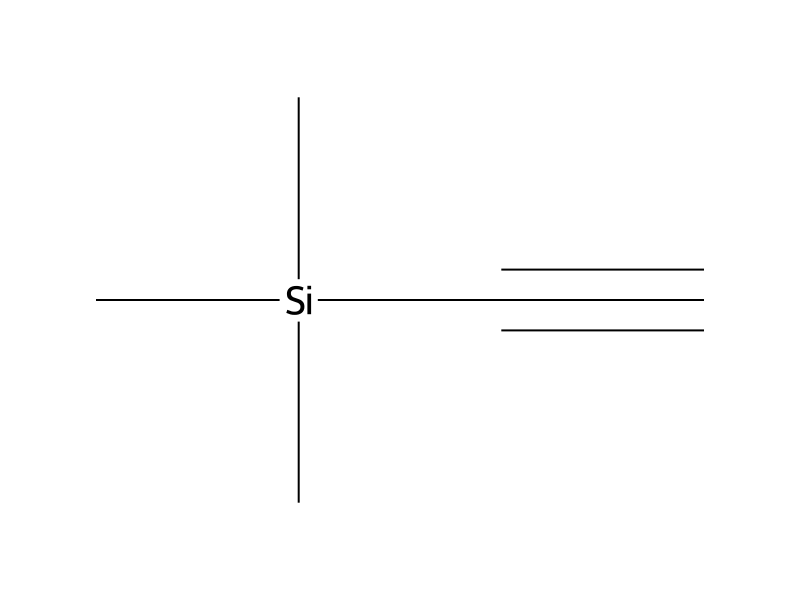
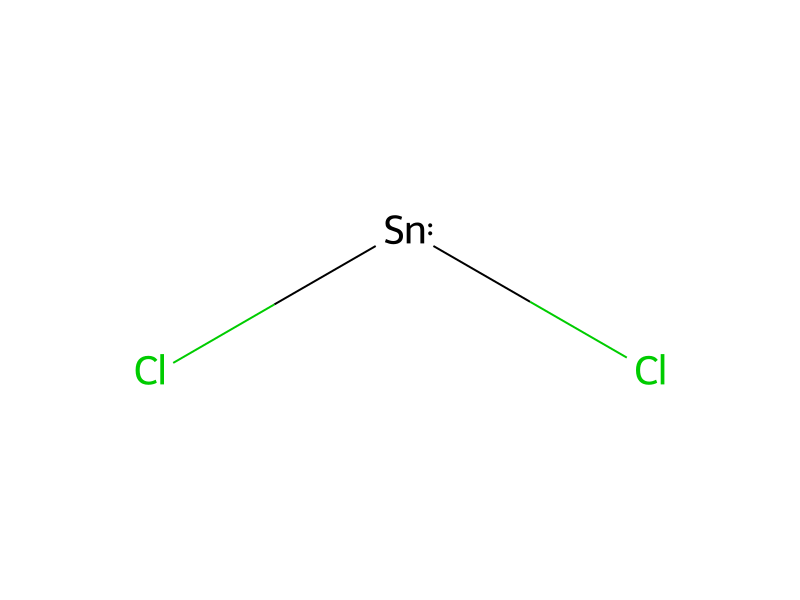
HCID 24479Stannous ChlorideHCID 66111TrimethylsilylacetyleneHCID 109594842,6-DibromoanthraquinoneHCID 178418339Butyllithium

생성물 1

HCID 589952392,6-Dibromo-9,10-bis[(trimethylsilyl)ethynyl]-anthracene수율 84%

시약·촉매·용매 4

HCID 313
Hydrochloric Acid
용매
HCID 962Water용매
HCID 8028Tetrahydrofuran용매
HCID 8058Hexane용매

실험 절차

Trimethylsilylacetylene (13.51 g, 137.5 mmol) and dry hexane (300 mL) were charged to an oven-dried round bottom flask (1 L) under dry nitrogen. Butyl lithium (2.7 M in hexane, 46.3 mL, 125.1 mmol) was added dropwise under dry nitrogen through a syringe with water bath cooling. A white precipitate appeared immediately. The mixture was stirred at room temperature for 2 hours. It was then added to a suspension of 2,6-dibromoanthraquinone (18.30 g, 50.0 mmol) in dry THF (600 mL) under dry nitrogen. All of the solids dissolved after the addition and a dark red solution was obtained. A precipitate appeared after about 1 hour. The reaction mixture was stirred at room temperature for 16 hours. DI water (10.0 mL) was added and a white precipitate appeared. Tin (II) chloride (22.8 g, 120 mmol) in HCl (50 mL, 6 M) aqueous solution was then added. The mixture was heated to 70° C. for 2 hours and then cooled to room temperature. The solvent was removed by rotary evaporation. The residue washed with water and then extracted with warm CHCl3 (300 mL). After removal of the CHCl3 solvent, the residue was recrystallized from CHCl3. An orange solid (22.1 g, yield 84%) was obtained as the product. 1H NMR (400 MHz, CDCl3). δ ppm 9.061-9.100 (d, 2H, J=2.4 Hz), 8.757-8.812 (d, 2H, J=9.2 Hz), 8.030-8.091 (dd, 2H, J=9.2 Hz, J=2.0 Hz), 0.851 (s, 18H).

후처리

  1. temperaturecooling
  2. dissolutionAll of the solids dissolved
  3. additionafter the addition
  4. customa dark red solution was obtained
  5. waitA precipitate appeared after about 1 hour
  6. stirringThe reaction mixture was stirred at room temperature for 16 hours
  7. temperatureThe mixture was heated to 70° C. for 2 hours
  8. temperaturecooled to room temperature
  9. customThe solvent was removed by rotary evaporation
  10. washThe residue washed with water
  11. extractionextracted with warm CHCl3 (300 mL)
  12. customAfter removal of the CHCl3 solvent
  13. customthe residue was recrystallized from CHCl3

출처 및 근거

ORD 기록
ord-d3154f4a392c405b8ca83c1d24ef20b5
출처 데이터셋
uspto-grants-2010_02
DOI
10.6084/m9.figshare.5104873.v1
특허 번호
US07666968B2

반응 노트

이 페이지에서참가 물질실험 절차후처리출처 및 근거반응 노트