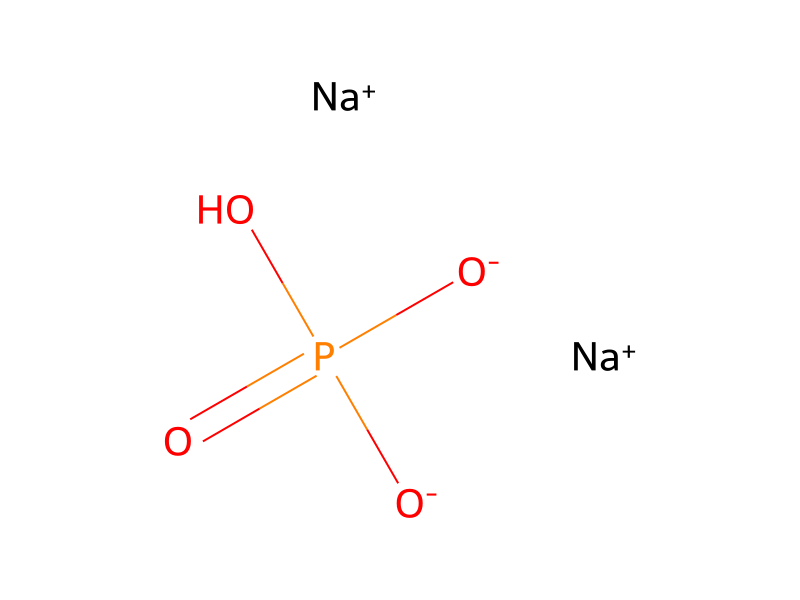
A forced circulation apparatus is charged with a solution of 274 g (2 moles) of o-nitrotoluene in 3000 g (about 2 liters) of carbon tetrachloride and also with an aqueous solution containing 500 ml of water, 453 g (4.4 moles) of sodium bromide and 10 g of disodium hydrogen phosphate (0.08 mole). The mixture is circulated around a 150 watt sodium high-pressure lamp and heated to reflux. Under reflux and irradiation, 340 g (4.8 moles) of chlorine gas are introduced and simultaneously the pH value is kept constantly at 6 to 6.5 by the dropwise addition of aqueous sodium hydroxide solution. The chlorine gas must be introduced at such a rate that the bromine set free is always just consumed. In the course of about 6 hours the addition of chlorine is complete and virtually the entire amount has been reacted to o-nitrotoluene. After cooling, the phases are separated and the carbon tetrachloride phase is concentrated, affording 570 g of o-nitrobenzal bromide (content 99%).