Nitric Acid → Carbon Dioxide
반응식

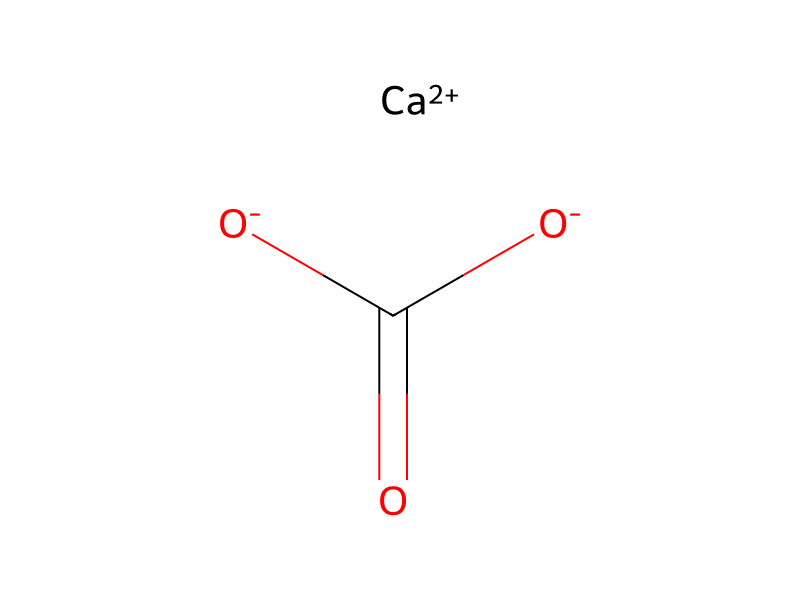
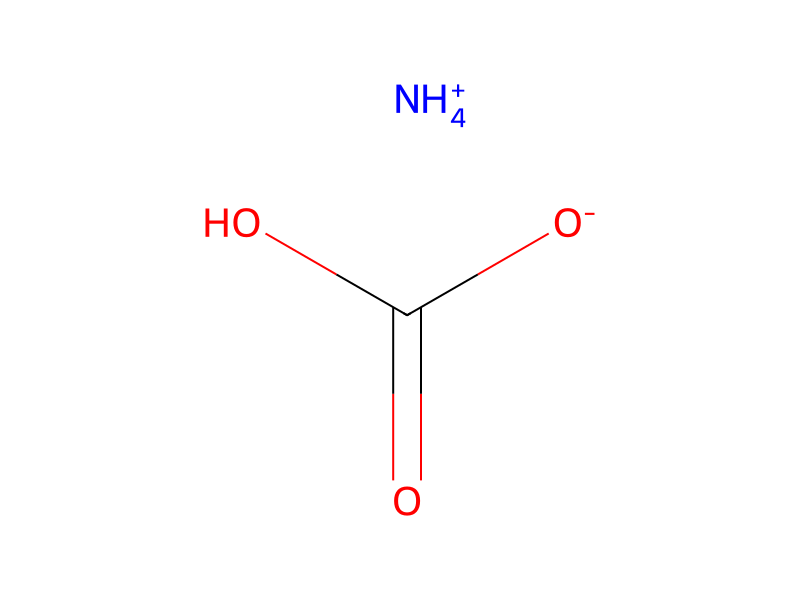
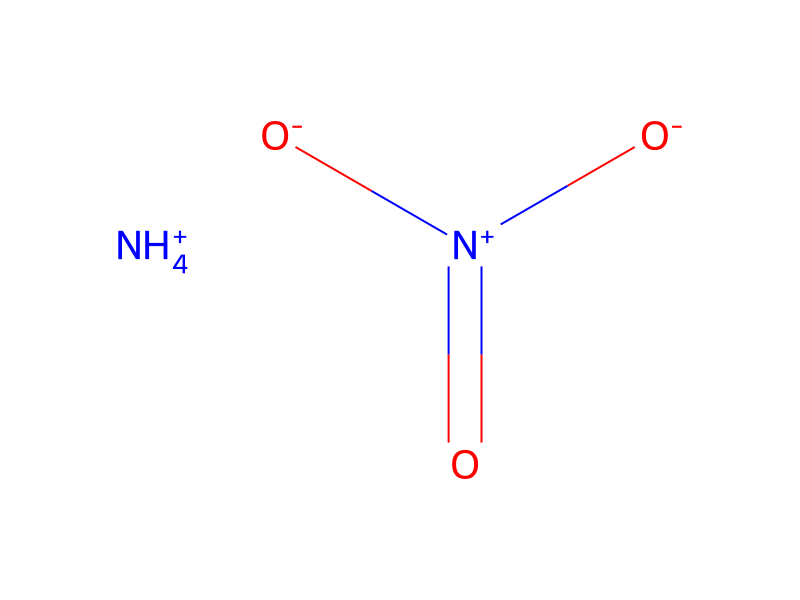
[U].[N+:2]([O-:5])([OH:4])=[O:3].[C:6](=O)([OH:8])[O-:7].[NH4+:10].[OH-].[Ca+2:12].[OH-].C(=O)([O-])[O-].[Ca+2]>O>[C:6](=[O:8])=[O:7].[N+:2]([O-:5])([O-:4])=[O:3].[Ca+2:12].[N+:2]([O-:5])([O-:4])=[O:3].[N+:2]([O-:5])([O-:4])=[O:3].[NH4+:10]참가 물질
9






실험 절차
The resultant water solution containing trace quantities of uranium among other possible components, with a basic pH higher than about 8, is then acidified to the extent of lowering the pH to less than about 6, and preferably to within a range of about 5 to about 4, by the addition thereto of a mineral acid such as nitric acid. This acidification decomposes any of the water-contained ammonium bicarbonate (NH4HCO3), calcium hydroxide and calcium carbonate (CaCO3) to form carbon dioxide, calcium nitrate (Ca(NO3)2) and ammonium nitrate (NH4NO3), in addition to converting uranium compounds present to uranyl nitrate (UO2 (NO3)2).
후처리
- additionpreferably to within a range of about 5 to about 4, by the addition
출처 및 근거
- ORD 기록
- ord-3fe9d88544e44321a7784807e5749b33
- 출처 데이터셋
- uspto-grants-1983_09
- 특허 번호
- US04402918
반응 노트
불러오는 중…