홈MCP워크벤치Skills
홈워크벤치알림마이페이지
llms.txt · MCP 가이드개인정보처리방침 · 이용약관 · 지원v1.8.0
  1. 홈
  2. /반응

Hydrochloric Acid → 2-((Butylsulfanyl)carbonothioyl)sulfanyl)propanoic acid

HRID 20183
노트
인쇄 미리보기

반응식

HRID 20183 반응식
[OH-].[Na+].[CH2:3]([SH:7])[CH2:4][CH2:5][CH3:6].[C:8](=[S:10])=[S:9].Br[CH:12]([CH3:16])[C:13]([OH:15])=[O:14].Cl>[Br-].C([N+](CCC)(CCC)CCC)CC.O.CC(C)=O>[CH2:3]([S:7][C:8]([S:10][CH:12]([CH3:16])[C:13]([OH:15])=[O:14])=[S:9])[CH2:4][CH2:5][CH3:6]
참가 물질실험 절차후처리출처 및 근거반응 노트

참가 물질

9

반응물 5

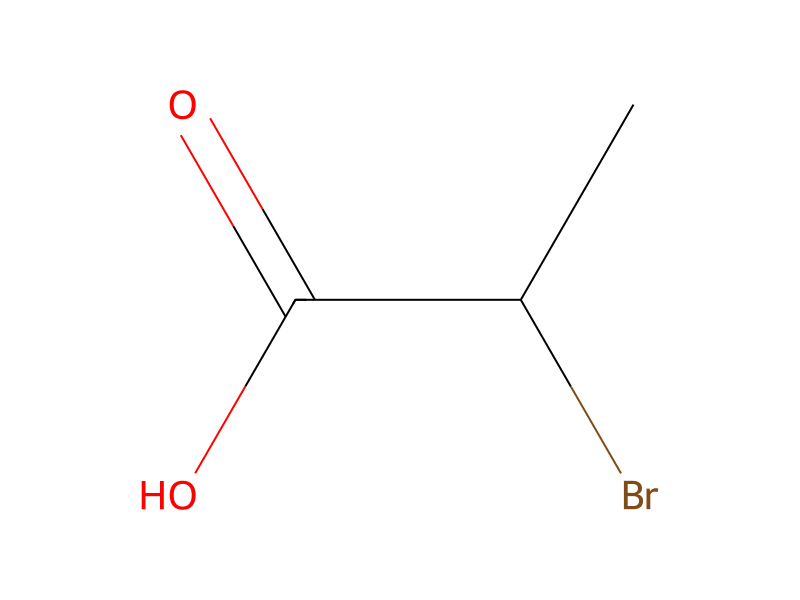
HCID 313Hydrochloric AcidHCID 6348Carbon DisulfideHCID 8012ButanethiolHCID 117292-Bromopropionic acidHCID 14798Sodium Hydroxide

생성물 1

HCID 593471542-((Butylsulfanyl)carbonothioyl)sulfanyl)propanoic acid수율 62.2%

시약·촉매·용매 3

HCID 74745
Tetrapropylammonium bromide
촉매
HCID 180Acetone용매
HCID 962Water용매

실험 절차

Acetone (700 mL) and tetrapropylammonium bromide (5.58 g, 21.0 mmol) were added with stirring to a solution of sodium hydroxide (10.5 g, 0.263 mol) in water (36 mL), followed by 1-butanethiol (23.7 g, 0.263 mol). After 20 min, carbon disulfide (17 mL, 21.7 g, 0.285 mol) was added and stirring was continued for 15 min, after which 2-bromopropanoic acid (40.14 g, 0.263 mol) was added. The reaction was stirred overnight, then acidified to pH<1 with 2 M hydrochloric acid (100 mL). The acetone was removed under reduced pressure and the remaining mixture was extracted with ether (400 mL). The extract was washed with water (2×100 mL), saturated sodium chloride solution (200 mL), dried (sodium sulfate), and evaporated. The oily residue was crystallized by the addition of ice (500 g), the crystals were collected by filtration and washed with water (5×100 mL) and then dried in a vacuum oven at room temperature. The resulting impure product was redissolved in ether (400 mL) and extracted with saturated sodium bicarbonate (5×150 mL). The combined aqueous extracts were acidified to pH<1 with concentrated hydrochloric acid and extracted with ether (400 mL). The organic extract was washed with saturated sodium chloride (200 mL), dried (sodium sulfate), and evaporated under reduced pressure. The residue was crystallized by the addition of ice (500 g) and the solid was collected and washed with water (5×1 50 mL), then dried in a vacuum oven to give the title compound (15, R3=C4H9) as a yellow solid (39.0 g, 62%).


후처리

  1. waitwas continued for 15 min
  2. stirringThe reaction was stirred overnight
  3. customThe acetone was removed under reduced pressure
  4. extractionthe remaining mixture was extracted with ether (400 mL)
  5. washThe extract was washed with water (2×100 mL), saturated sodium chloride solution (200 mL)
  6. dry with materialdried (sodium sulfate)
  7. customevaporated
  8. customThe oily residue was crystallized by the addition of ice (500 g)
  9. filtrationthe crystals were collected by filtration
  10. washwashed with water (5×100 mL)
  11. customdried in a vacuum oven at room temperature
  12. dissolutionThe resulting impure product was redissolved in ether (400 mL)
  13. extractionextracted with saturated sodium bicarbonate (5×150 mL)
  14. extractionextracted with ether (400 mL)
  15. extractionThe organic extract
  16. washwas washed with saturated sodium chloride (200 mL)
  17. dry with materialdried (sodium sulfate)
  18. customevaporated under reduced pressure
  19. customThe residue was crystallized by the addition of ice (500 g)
  20. customthe solid was collected
  21. washwashed with water (5×1 50 mL)
  22. customdried in a vacuum oven

출처 및 근거

ORD 기록
ord-01dd2c8a2f844c26ae89044e00fb830e
출처 데이터셋
uspto-grants-2010_06
DOI
10.6084/m9.figshare.5104873.v1
특허 번호
US07745553B2

반응 노트

불러오는 중…

이 페이지에서참가 물질실험 절차후처리출처 및 근거반응 노트