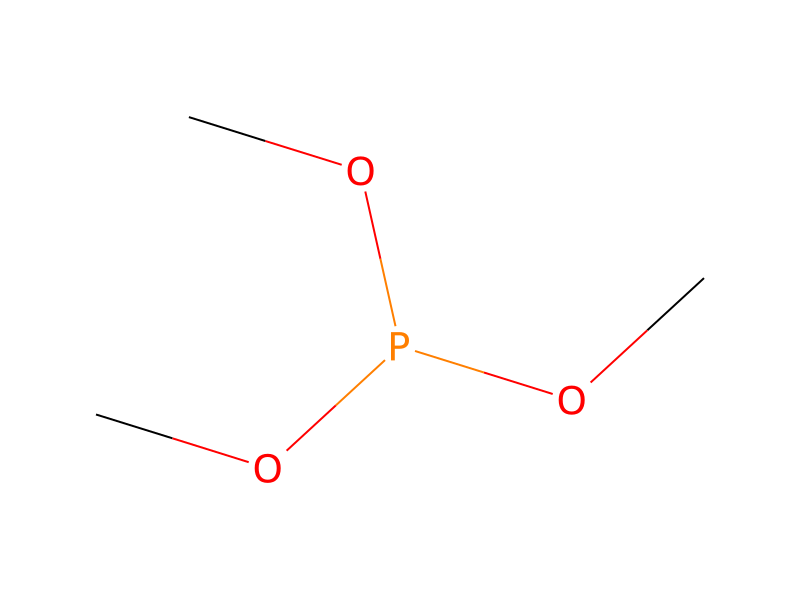
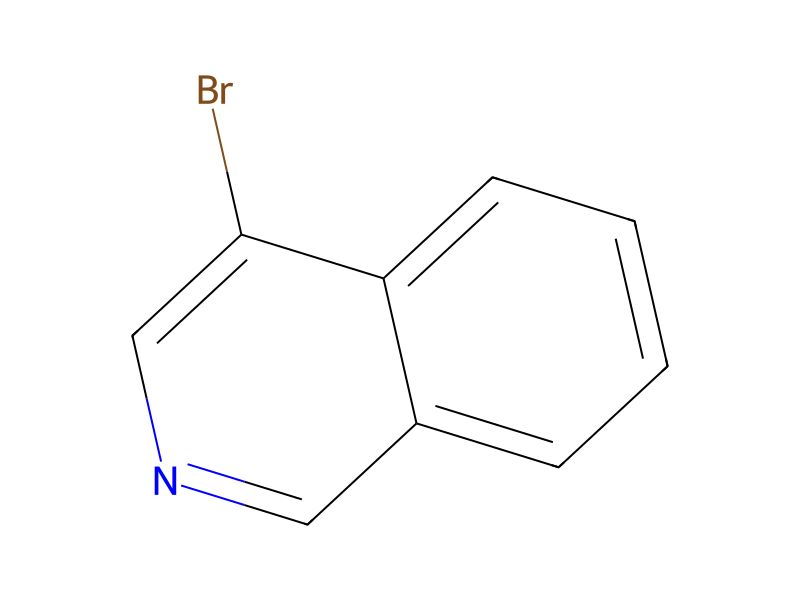
To a mixture of 3 g of 4-bromoisoquinoline, 6.2 mL of acrylic acid tert.-butyl ester and 2.66 mL of DIPEA in 30 mL of DMF under argon was added 0.169 mL of P(OMe)3 and 160 mg of Pd(OAc)2. The reaction mixture was heated for 2 h at 120° C. and the DMF was evaporated under vacuo. The resulting residue was diluted with DCM and filtered over a pad of silica gel. The filtrate was washed with 10%-citric acid, water and brine. The organic phase was dried over anh. Na2SO4 and concentrated in vacuo. The resulting crude material was purified by CC using heptane/EtOAc from 94/6 to 50/50 as eluant to yield 2.7 g of 3-isoquinolin-4-yl-acrylic acid tert.-butyl ester as a yellow solid.