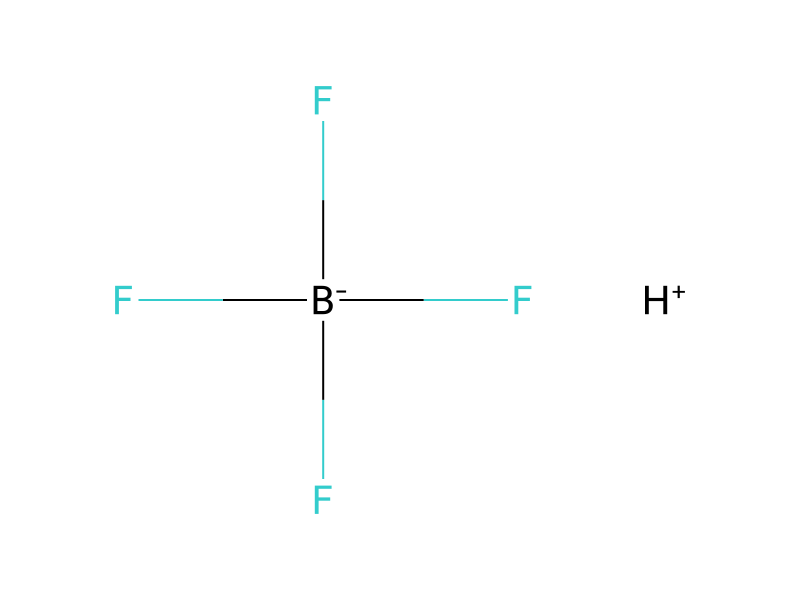
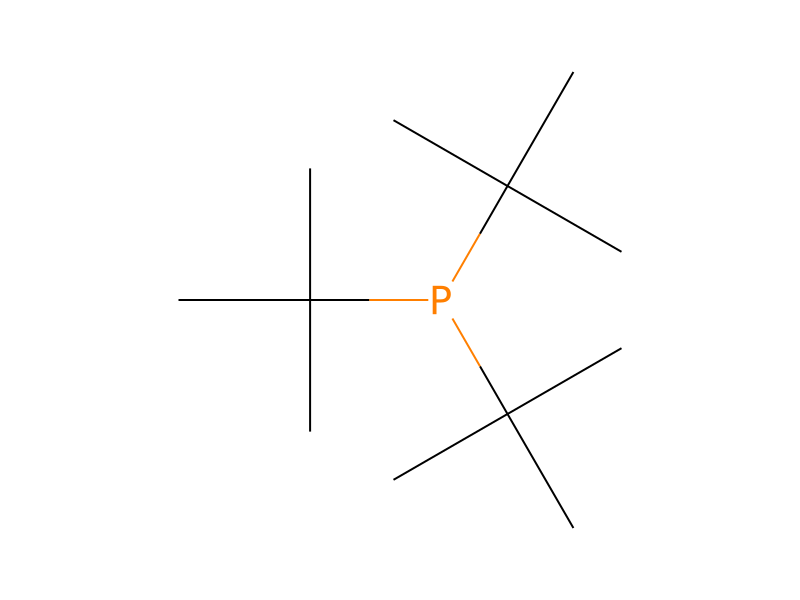
LiHMDS (1.67 g, 10.0 mmol) is added to a 100 mL round bottom flask. Toluene (25 mL) is added followed by addition of Pd2(dba)3.CHCl3 (100 mg, 0.1 mmol) and P(tBu)3.HBF4 (78 mg, 0.27 mmol). 5-(4-Bromo-phenyl)-3,4-dihydro-2H-pyrrole (1.5 g, 6.7 mmol) is added to the flask. After degassing, the mixture is stirred at room temperature overnight. TLC is used to determine complete consumption of the starting bromide. The reaction mixture is diluted with ether and poured into dilute HCl (aq). The ether layer is discarded and the aqueous layer is basified with NH4OH and extracted with CH2Cl2. The CH2Cl2 layer is dried and concentrated to provide the desired product (820 mg, 76%). 1H NMR (300 MHz, CDCl3) ∂ 7.66 (2H, d, J=8.4 Hz), 6.67 (2H, d, J=8.1 Hz), 3.98-4.03(2H, m), 3.88 (2H, br), 2.85-2.92 (2H, m), 1.97-2.04 (2H, m). MS (ESI): 162 (M+1)+1.