반응식

[C:1]([O:4][CH2:5][CH3:6])(=[O:3])[CH3:2].[CH3:7][C:8]([CH3:10])=[O:9].[CH2:11]([OH:13])[CH3:12].[CH3:14][OH:15].[CH:16]1[CH:21]=[CH:20][CH:19]=[CH:18][CH:17]=1>C(Cl)(Cl)Cl.O.CCCCCC.C(Cl)(Cl)(Cl)Cl>[CH:16]1[CH:21]=[C:12]2[C:11]([C:1]([OH:3])([OH:4])[C:2](=[O:9])[C:19]2=[CH:18][CH:17]=1)=[O:13].[CH:6]1[C:5]2[C:14](=[O:15])[C:21]3[C:16](=[CH:17][CH:18]=[CH:19][CH:20]=3)[CH2:12][C:11]=2[CH:10]=[CH:8][CH:7]=1참가 물질
11





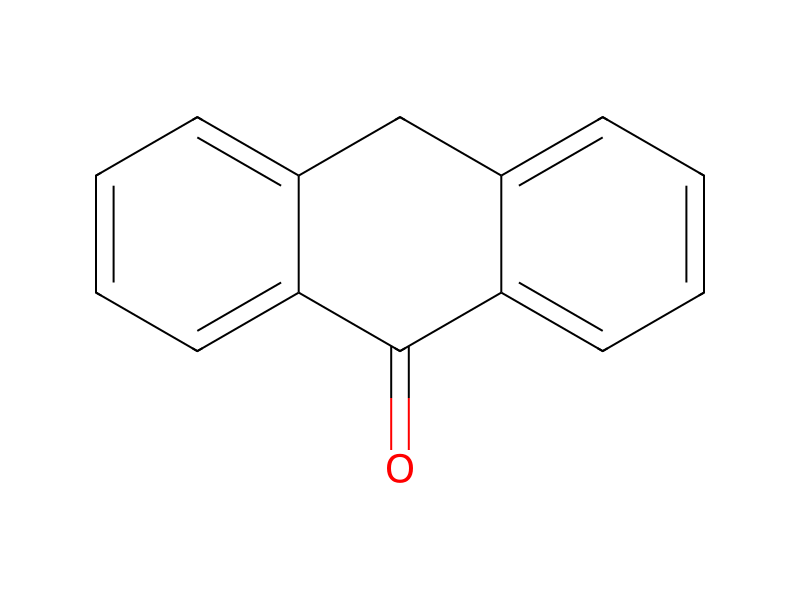





실험 절차
The individual BBM-1675 components show solubility and color reactions similar to each other. For example, they are soluble in chloroform, ethyl acetate, acetone, ethanol and methanol, slightly soluble in benzene and water, and insoluble in n-hexane and carbon tetrachloride. They give positive reactions with ferric chloride, Ehrlich and Tollen's reagents but negative responses in Sakaguchi, ninhydrin and anthrone tests.
출처 및 근거
- ORD 기록
- ord-bc38476a184546b3acfe51c81744922c
- 출처 데이터셋
- uspto-grants-1987_11
- 특허 번호
- US04708872
연결된 노트
불러오는 중…