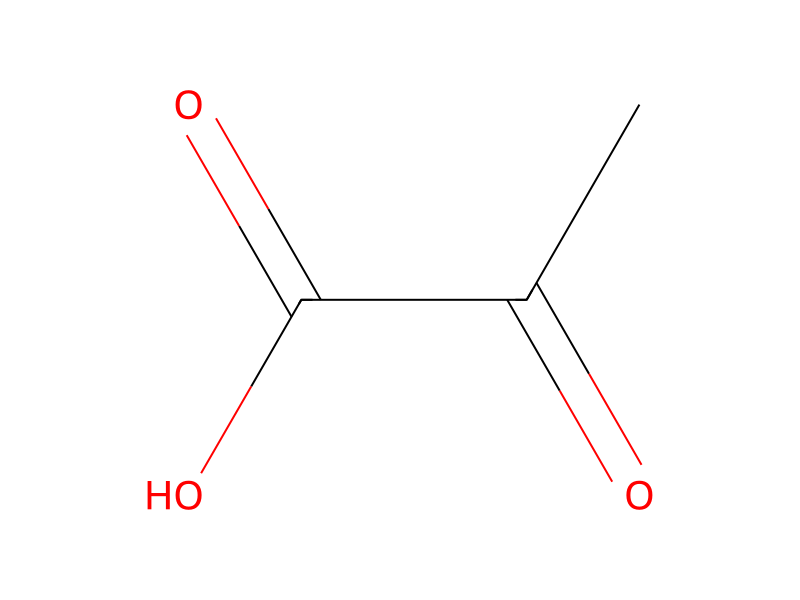
Nature's utilization of a potential counterpart in the formation of zoanthoxanthins forms a basis of our biogenic hypothesis and involves the introduction of a two-carbon unit (or equivalent) to the C3N3 heterocycle as the penultimate step prior to dimerization. Incorporation of this hypothetical two-carbon entity could be accomplished by a hitherto unknown hydroxyalkylation of 2-aminoimidazole with a suitably functionalized two-carbon aldehyde or pyruvic acid. To test this hypothesis, 2-aminoimidazole sulfate was heated at 95°-100° C. with chloroacetaldehyde in concentrated hydrochloric acid for 24 hours. After basification to pH 12 and chromatography, parazoanthoxanthin A (1A) (41% yield) and pseudozoanthoxanthin A (2A) (7% yield) were obtained. Most importantly, moderate amounts of (1A) and (2A) were produced at room temperature after 7 days. Under acidic conditions, the proton serves as a natural protecting group for nitrogen as well as catalyst for hydroxyalkylation and subsequent dimerization. Similar results were seen with pyruvic acid and the more highly reduced two-carbon unit, acetaldehyde, but with less efficiency. Reactions involving pyruvic acid and acetaldehyde were carried out in 37% HCl between 95°-100° C. for 24 hours. Acetaldehyde gave a 25% yield of parazoanthoxanthin A and pseudozoanthoxanthin A in a 3:1 ratio, respectively, whereas pyruvic acid produced a 15% yield of parazoanthoxanthin A and trace amounts of pseudozoanthoxanthin A. With these reactants, decarboxylation and/or final oxidation to the ten-electron azulene ring system is necessary (the oxidation is probably assisted by sulfuric acid derived from the commercial starting material, 2-aminoimidazole sulfate) and most likely accounts for the lower overall yields. At 23° C., the reaction between (AI) and acetaldehyde afforded products (12) (ref. 29); and (14) [Compound 5.2HCl, colorless solid, mp 240° C. (dec); 1H NMR (DMSO-D6, 300 MHz) δ ppm: 1.51 (d, 7.2 Hz, 3H), 3.97 (q, 7.2 Hz, 1H), 6.65 (s, 2H), 7.37 (s, 4H, exchanged with D2O), 11.85 (s, 2H, exchanged with D2O), 12.37 (s, 2H, exchanged with D2O); 13C NMR (free-base, DMSO-D6, 75.1 MHz) δ ppm: 20.0 (q), 30.4 (d), 111.0 (d), 135.8 (s), 148.9 (s); IR (nujol) ν cm-1 : 3240, 3126, 1667; MS (CI, NH3) m/z 193 (MH+)] (10-40% yields); in addition to small amounts of zoanthoxanthins. Formation of (14) [Dimer (14), when heated at 95°-100° C. with 1 eq. of acetaldehyde produced parazoanthoxanthin A], a precursor to parazoanthoxanthin A (1A), can be explained by dehydration of (12) to intermediate (B) followed by C-attack of the imidazole to the exocyclic double bond. Intermediate (14) could next undergo hydroxyalkylation with acetaldehyde followed by dehydration, cyclization, and oxidation to give (1A). A similar process in which initial addition to the endocyclic double bond of species (B) would account for the formation of pseudozoanthoxanthin A (2A), although no intermediates have been isolated. Whether the actual biosynthetic pathway proceeds via a sequential series of hydroxyalkylation--dimerization--hydroxyalkylation events involving 2-aminoimidazole or by direct dimerization of two C5N3 monomers (ref. 28, 29) remains to be determined. Our results in combination with the known metabolic conversion of arginine to (AI) (ref. 31) suggest that the key biosynthetic intermediate is not a direct product of arginine metabolism but evolves from hydroxyalkylation of arginine derived (AI). One additional consideration is formation of the methylated metabolites of zoanthoxanthins since they comprise the majority of pigments isolated. The parent compounds (1A) and (2A) could serve as potential precursors in a late methylation scheme, or contrastly, an early, predimeric methylation process would yield N-methylated 2-aminoimidazoles as biogenic forerunners. ##STR27##