반응식

[H-].[Na+].[OH-:3].[K+].[O-2:5].[Ba+2].C(N(C(C)C)CC)(C)C.C[N:17]([CH3:23])C(=N)N(C)C.[OH-].C[C:26]1[C:27]([CH3:36])=[C:28]([CH:33]=[CH:34][CH:35]=1)[C:29](C)(C)[NH3+:30].[C:37]1([CH3:47])[CH:42]=CC(S(O)(=O)=O)=[CH:39][CH:38]=1.[OH-].[Na+]>>[CH:37]([C:38]1([CH3:39])[N:30]2[C:29](=[O:3])[C:28]3[C:27]([C:36]2=[N:17][C:23]1=[O:5])=[CH:26][CH:35]=[CH:34][CH:33]=3)([CH3:47])[CH3:42]참가 물질
9
반응물 8




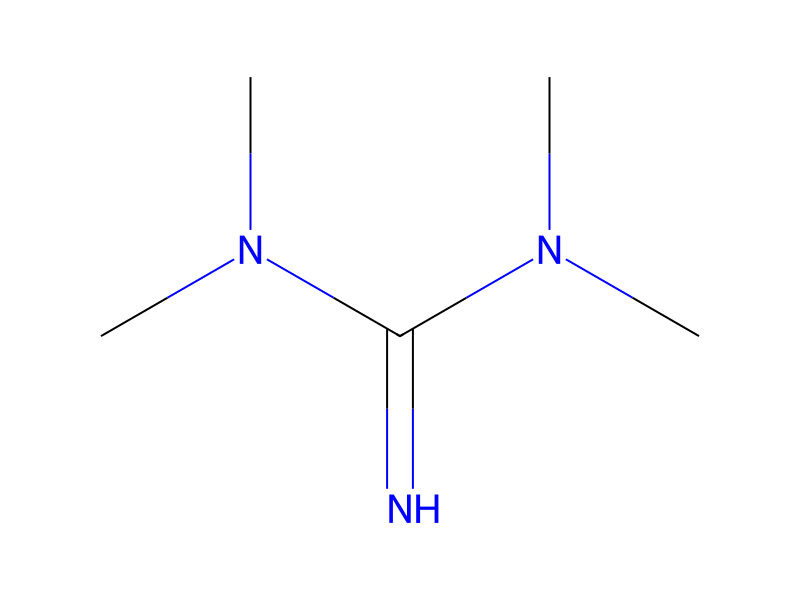



생성물 1

실험 절차
The above procedure is repeated in all respects, excepting that the strong base reagent is altered. In separate experiments, sodium hydride, potassium hydroxide, barium oxide, diisopropylethylamine, 1,5-diazobicyclo[5.4.0]undicene-5, tetramethylguanidine, tetramethylbenzyl ammonium hydroxide, Amberlite A21 (Rohm & Haas) strongly basic ion exchange resin and p-toluenesulfonic acid, are substituted for sodium hydroxide to yield the desired 3-isopropyl-3-methyl-5H-imidazo[2,1-a]isoindole-2(3H),5-dione. In practice of the above-described method, sodium hydroxide or sodium hydride in refluxing toluene is preferred.
출처 및 근거
- ORD 기록
- ord-02f8090912774774a5375323ec250ad8
- 출처 데이터셋
- uspto-grants-1978_05
- 특허 번호
- US04092147
연결된 노트
불러오는 중…