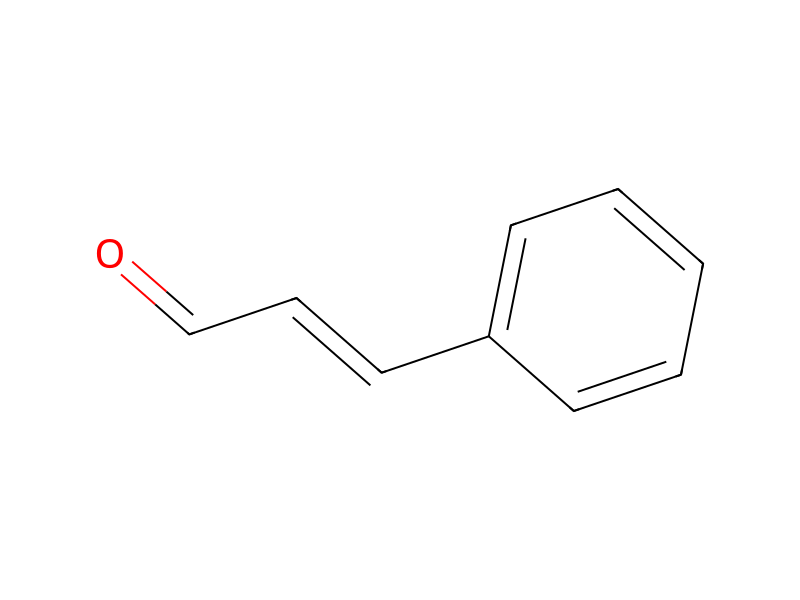
To a stirred solution of 3-chloro-2-fluoroaniline (2.9 g, 20 mmol) and trans-cinnamaldehyde (2.64 g, 20 mmol) in toluene (25 ml) was added 6N HCl (100 ml). The resulting suspension was heated at reflux for 40 hours. After cooling, the reaction mixture was poured into 5N NaOH solution (200 ml) and extracted with EtOAc (3×100 ml). The combined organics were washed with brine (2×100 ml), dried (MgSO4), filtered and concentrated. The crude product was dissolved in MeOH and loaded onto an SCX-2 cartridge (50 g/150 ml), and the product eluted with MeOH, giving the title compound as a yellow solid. Additionally, the title compound could be prepared as follows: 4-Bromo-7-chloro-8-fluoro-2-phenyl-quinoline (6.0 g, 0.018 mole) and THF (240 mL) were combined in a 3 neck 1 L round bottom flask with a magnetic stir bar under an atmosphere of nitrogen. The reaction was stirred and cooled with a THF/liquid nitrogen bath to −100° C. 2.5 M of n-butyllithium in Hexane (7.34 mL) was then added dropwise over 3 minutes so as not to exceed −90° C. The solution turned light green, and darkened over a few minutes. Acetic acid (1.22 mL, 0.0214 mole) was added 3 minutes after the n-butyllithium addition was done. The cooling bath was removed, and the reaction was allowed to stir for 20 minutes. To work up, saturated sodium bicarbonate solution (100 mL) was added, and the mixture was transferred to a 1 L separatory funnel with 250 mL of ethyl acetate. The layers were separated, and the organic layer was washed with 2×60 mL of brine. The organic solution was suction filtered through a short pad of silica gel, rinsing with ethyl acetate. The filtrate was concentrated in vacuo, and the residue was placed under high vacuum overnight to afford the crude product. The crude product was pre-adsorbed on 55 mL of Silica gel from methylene chloride. 100 mL of Toluene was added, and the slurry was concentrated on the rotovap to afford a finely divided powder. This was applied to a silica column and chromatographed (4:3 hexanes/methylene chloride) affording the title compound as a white solid. The solid was re-chromatographed with, and then placed in the vacuum oven at 45° C. overnight to afford the very pure product as a white solid; 1H NMR (CDCl3, 400 MHz) δ 8.24-8.21 (3H, m), 7.96 (1H, d, J=8.6 Hz), 7.58-7.48 (5H, m); MS (ES+): m/z 258.13 [MH+]; HPLC: tR=3.64 min (MicromassZQ, non-polar—5 min).